“And Just Like That”… the series has finally ended. After the original HBO series Sex and the City ran for six seasons and a total of 94 episodes, plus two movies and a few dozen suitors, the sequel series And Just Like That… ran for three seasons and a total of 33 episodes. Carrie Bradshaw’s story has now ended.
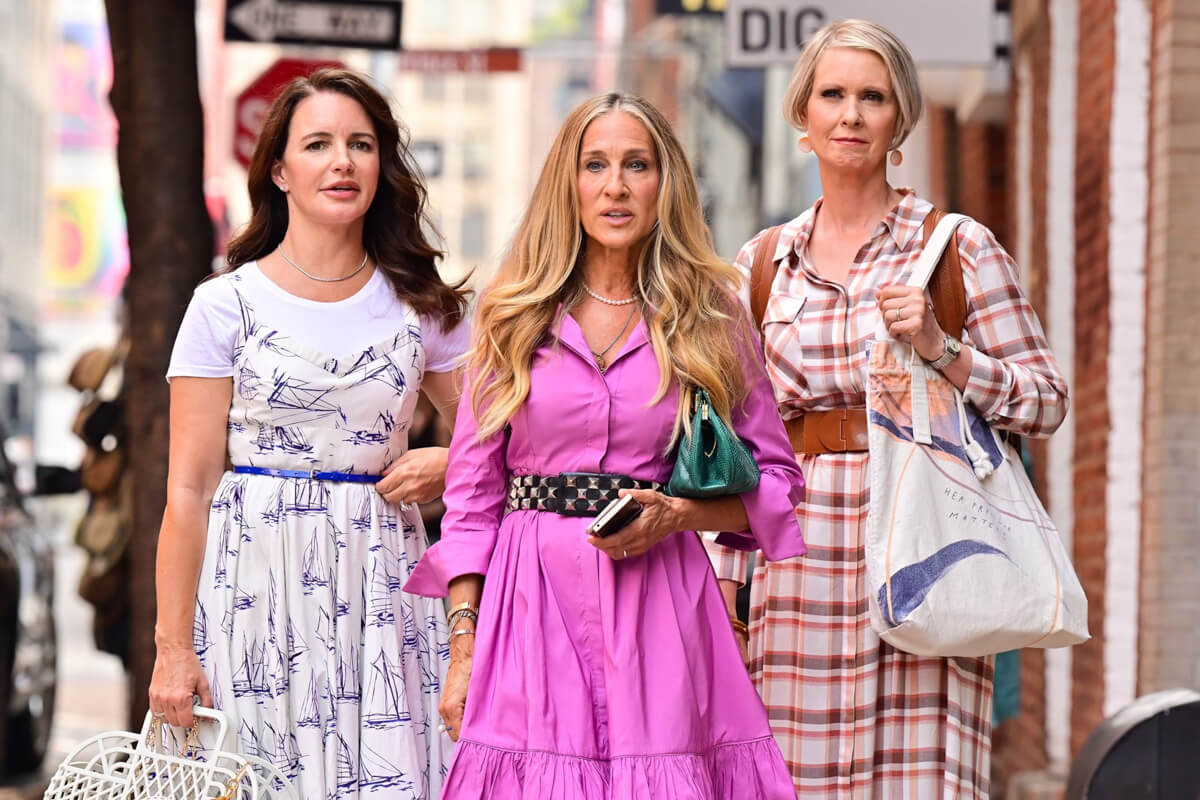
After three seasons and 33 episodes, 27 years after Sex and the City’s premiere, the show’s revival, And Just Like That, came to an end. The final episode, Season 3 Episode 12, aired as the series finale and brought closure to the long-running story of Carrie, Miranda, and Charlotte. The episode unfolds on Thanksgiving, wrapping up the characters’ personal arcs. Miranda accepts the chaos of her life alongside her girlfriend Joy. Charlotte celebrates her husband Harry’s recovery from prostate cancer surgery, rekindling their intimacy. Seema and Lisa find clarity in their relationships, choosing personal fulfillment over societal expectations.
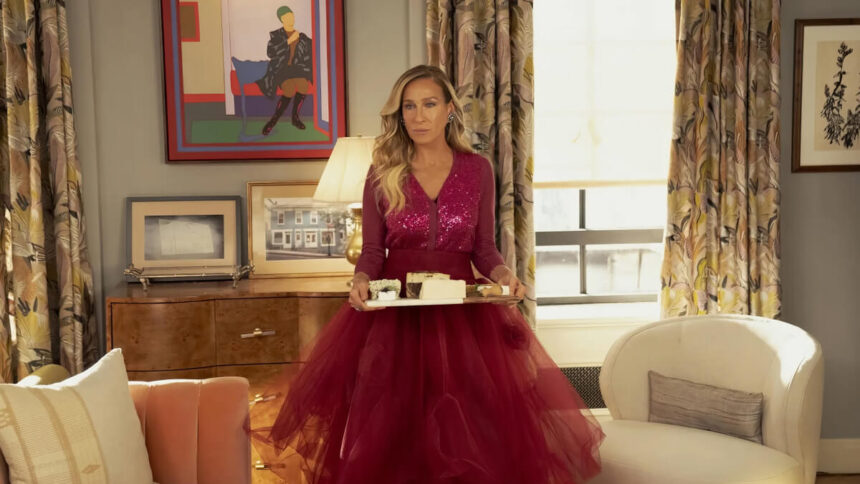
Carrie, wearing a red sequin top with a whimsical, full tulle skirt, a modern callback to her original series’ opening credits, reflects on her life as a single woman. She completes her latest novel, rewriting the epilogue to say, “The woman realized she was not alone, she was on her own.” In the final scene of the series, Carrie eats dessert alone in her kitchen before dancing around her cavernous townhouse to Barry White’s “You’re the First, the Last, My Everything.” This ending emphasizes self-acceptance and the power of choosing oneself.
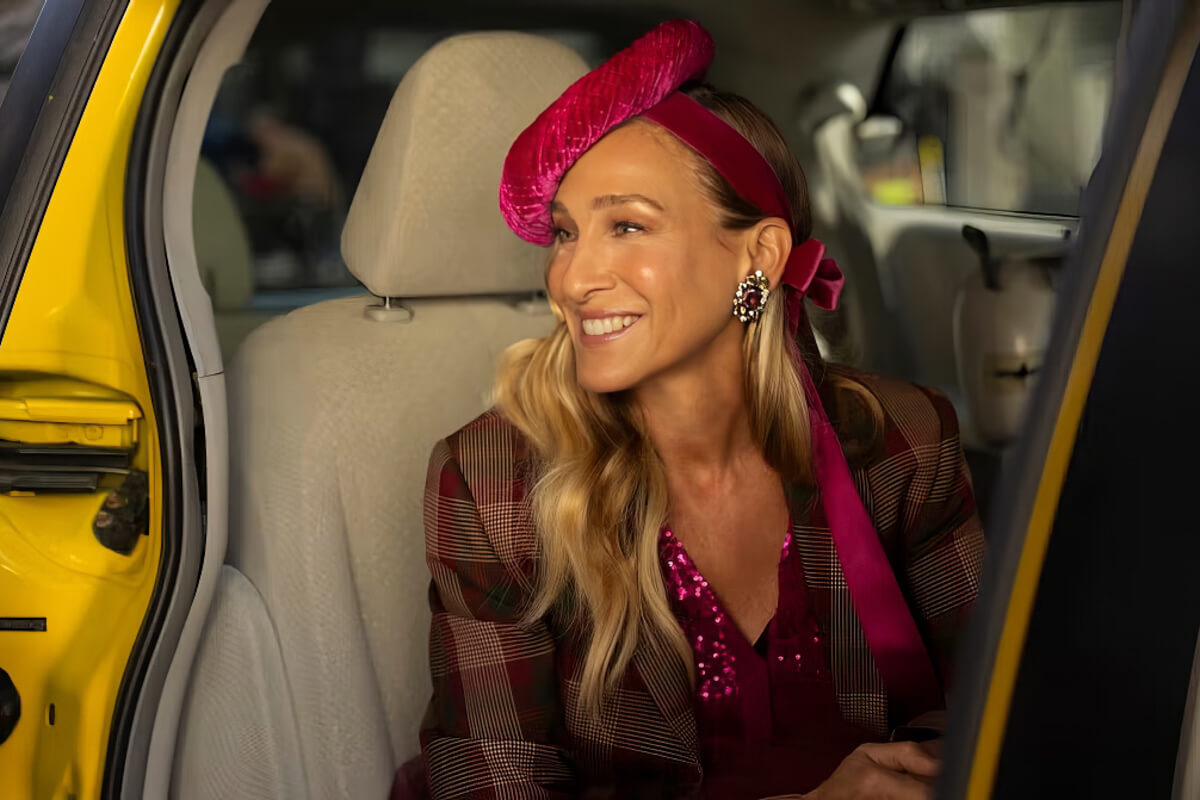
Spoiler alert: the reason why Mmm, not great. The final episode of And Just Like That… is here, and for many viewers, it was a letdown. The show spent the season exploring the new lives of Carrie, Miranda, and Charlotte, but the ending felt too fast. The story seemed rushed, and it felt like there wasn’t enough time to fully resolve the most important parts. Moments that could have been emotional instead felt abrupt, and the chaotic Thanksgiving setting, while humorous at times, made it feel like the finale was trying to do too much too quickly.

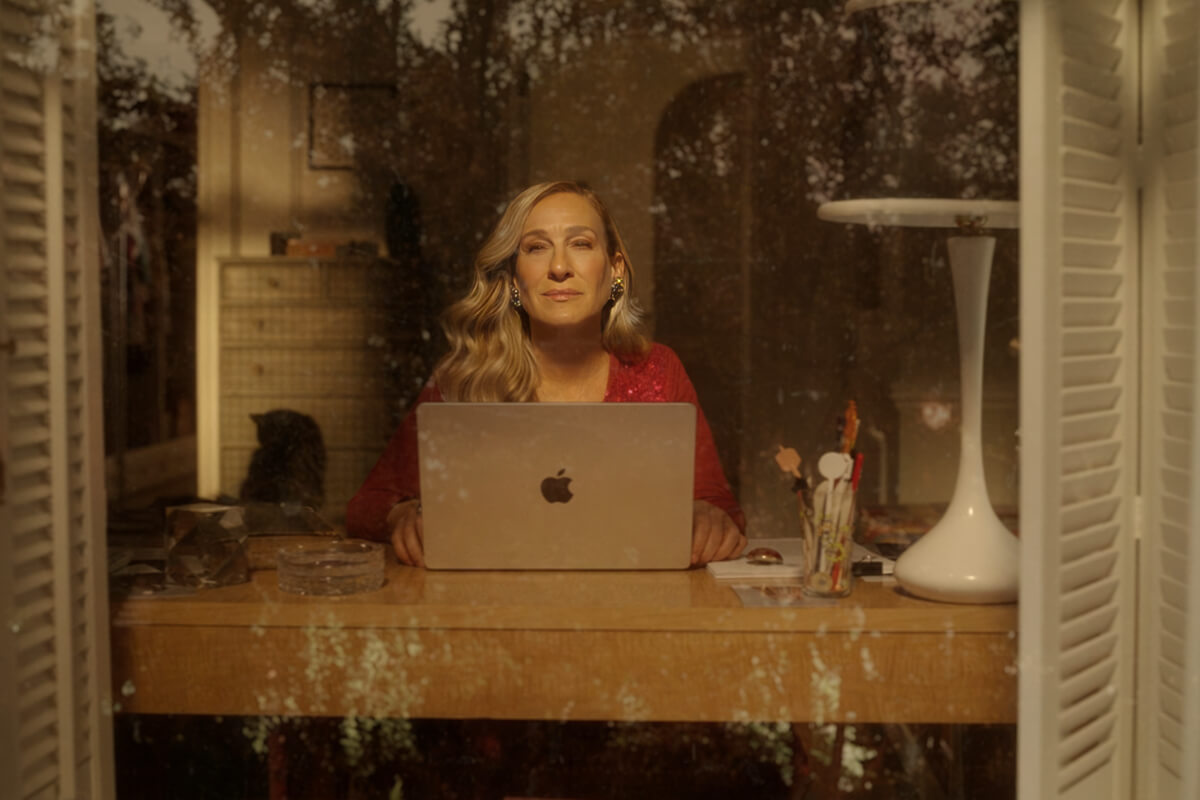
This sense of rushing and incompleteness reflects the series as a whole. Personally, killing off Mr. Big at the very beginning set the show on a difficult path. The revival tried to open a new chapter for the characters, but it lacked the sharp humor, honest conversations, and strong friendships that made Sex and the City so beloved. The original series captured female friendship and city life in an authentic way. In contrast, And Just Like That often felt like it was trying too hard to be contemporary, relying on contrived storylines instead of real, relatable moments.
A major factor was the absence of Samantha Jones. Her wit, honesty, and loyalty were central to the original group dynamic. Including her only through text messages reminded viewers of her absence rather than compensating for it. Her presence is deeply missed, and it affected the balance and energy of the show.
Looking back, Kim Cattrall’s decision not to return seems wise. What once appeared risky now looks like the best choice for preserving Samantha Jones’ legacy. By not participating in the revival, the character remains an iconic part of television history, untouched by a series that struggled to live up to the original.
Overall, while And Just Like That provides closure for Carrie and her friends, the series finale highlights the challenges of continuing a beloved franchise. Carrie’s journey to self-acceptance is meaningful, but the rushed pacing, missing Samantha, and abrupt moments left many fans underwhelmed. The finale is a reminder that even with iconic characters, capturing the magic of the past is not easy.