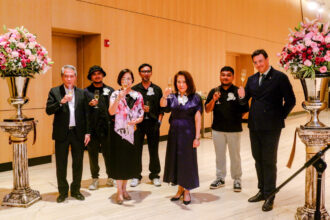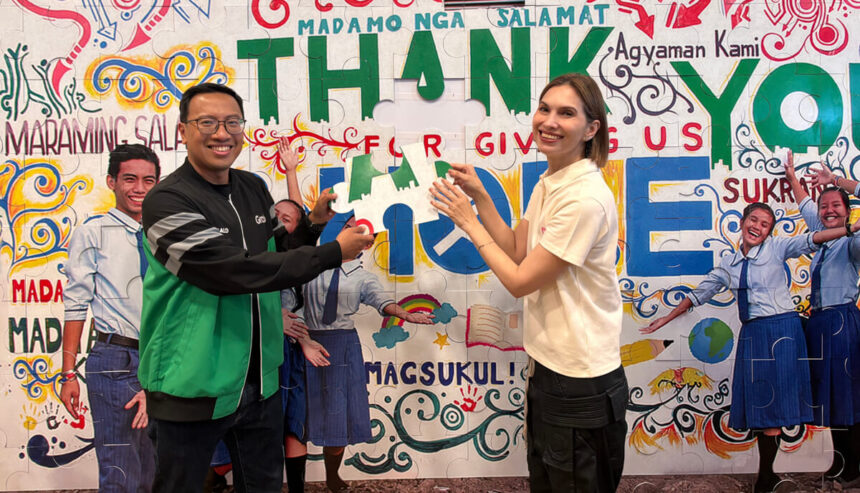
Grab Philippines and HOPE have officially broken ground on a new public school classroom in Manito, Albay. The initiative raised approximately P1.4 million through in-app donations, turning everyday rides, meal deliveries, and rewards points into funding for education infrastructure.
The funding came from two main sources. Users donated GrabRewards points via GrabBayanihan, allowing customers to channel “GrabCoins” to the project. A dedicated “Grab HOPE Hour” drive generated additional contributions from GrabCar rides and GrabFood deliveries during a designated 60-minute window.
Addressing Urgent Educational Needs
The new classroom will be constructed at Inang Maharang Elementary School, which serves over 100 students in Manito’s remote barangays. The site was chosen after Typhoon Uwan damaged local public facilities and destroyed two makeshift classrooms at the school. Students were left without safe learning spaces, highlighting the need for permanent and resilient structures.
Grab Philippines Country Head Ronald Roda said, “Grab is dedicated to moving not just goods and people, but also moving malasakit into action. Together with HOPE, we’re giving our users a simple way to participate in digital bayanihan, turning their everyday rides, deliveries, and rewards into real classrooms. These are new safe spaces where Filipino children can learn, dream, and grow. By making it easier for communities to support these initiatives, we help build a stronger foundation for the country’s next generation.”

Classroom Design and Features
The classroom will measure 7 by 9 meters and include four windows, wall-mounted electric fans, complete electrical wiring with outlets and lighting fixtures, and an in-room bathroom with full plumbing. Interior fixtures will include a teacher’s desk and a chalkboard, ensuring a functional and comfortable learning environment for students.
HOPE Founder and Executive Chairperson Nanette Medved-Po emphasized the impact of the partnership. “We are so excited about the ways we can continue to work with the Grab community to give their contribution and make an impact to public school education in the Philippines. HOPE’s partnership with Grab has been very engaging and exciting for their subscribers: from converting their Grab points to donations, to mounting last October our first-ever GRAB HOPE Hour, when every ride, every order contributed to the classroom we’re building in Bicol. This classroom is the first of many that we hope will not only guarantee safe access to learning but inspire communities around business for good. We look forward to more activities with Grab this coming new year, and more classrooms for our public schools.”
Expanding Educational Infrastructure Through Collaboration
Grab and HOPE plan to sustain the partnership through 2026. The collaboration will expand infrastructure and development initiatives beyond Bicol. Users can participate by navigating to the GrabRewards catalog in the app and allocating points to HOPE.
Roda added, “This classroom serves as the starting line of our shared vision to bridge the educational infrastructure gap in the Philippines. We are dedicated to scaling this initiative, ensuring that our technology continues to translate into tangible structures for communities across the country.”
This partnership demonstrates the potential of digital platforms to directly fund educational infrastructure. By engaging everyday Grab users, the project transforms routine transactions into meaningful contributions that provide safe learning environments and long-term support for Filipino students.
The initiative also highlights the role of corporate and nonprofit collaboration in addressing urgent educational needs. With this first classroom completed in Manito, Albay, Grab and HOPE aim to inspire further community involvement, expand similar projects nationwide, and provide a replicable model for leveraging technology to support public education.
The Grab HOPE classroom represents a critical step in bridging the educational gap for remote communities. With continued participation from users, the project is positioned to create more safe, fully equipped classrooms, ensuring Filipino children have access to quality learning spaces regardless of natural disasters or geographic challenges.
This initiative reinforces the potential of technology-driven philanthropy to generate measurable impact in public education, offering users a straightforward way to contribute to tangible outcomes while reinforcing the principles of digital bayanihan across the Philippines.