Appearance has always been a personal matter, but discussions about aesthetic treatments have become increasingly visible. Social media, digital consultations, and easier access to information allow individuals to explore cosmetic procedures before visiting a clinic. In the Philippines, people considering facial enhancement, body contouring, or other aesthetic treatments can research available options and compare surgeons more easily than before. However, greater access to information also creates an important challenge: distinguishing trustworthy medical guidance from promotional claims and unrealistic expectations.
For individuals considering cosmetic surgery in the Philippines, the decision should begin with understanding the procedure rather than choosing a clinic based on popularity or price. Cosmetic surgery involves medical interventions that can permanently change physical features. Even when a procedure is elective, it may involve anaesthesia, surgical incisions, recovery time, and potential complications. Careful preparation is therefore essential before proceeding with treatment.
Some individuals consider cosmetic surgery to change a particular facial feature, address a physical concern, or restore an appearance affected by ageing or previous changes. Others want to explore whether a procedure could help them achieve a personal aesthetic goal. The reasons for considering surgery differ from person to person, and choosing not to undergo surgery remains an equally valid decision.
The most useful starting point is an informed conversation with an appropriately qualified medical professional. Understanding the available options, limitations, and potential risks helps patients determine whether a procedure aligns with their health, expectations, and personal circumstances.
What Cosmetic Surgery Can and Cannot Achieve
Cosmetic surgery focuses on changing or enhancing physical appearance through surgical techniques. Depending on the procedure, treatment may involve reshaping facial structures, adjusting body contours, or modifying particular features. The primary goal is usually aesthetic rather than the treatment of a medical condition, although some procedures may have overlapping functional and cosmetic purposes. Understanding this distinction helps patients approach consultations with clearer expectations.
One of the most important considerations is that cosmetic surgery cannot guarantee a particular appearance. Every patient has different anatomy, skin characteristics, healing responses, and medical considerations. A result that looks appealing in another person’s photograph may not be achievable or appropriate for someone else. Surgeons must evaluate these individual differences before recommending treatment.
Cosmetic surgery also cannot guarantee greater confidence, happiness, or satisfaction with life. Some patients feel pleased with their results, while others may find that their expectations remain unmet. Psychological readiness and personal motivation are therefore important considerations. Patients should be able to explore their reasons for wanting a procedure without pressure from partners, social media trends, or unrealistic beauty standards.
A responsible consultation should explain both the potential benefits and the limitations of surgery. Patients deserve a clear understanding of what the procedure can reasonably achieve, how long recovery may take, and whether alternative treatments might be suitable.
Why Choosing the Right Cosmetic Surgeon Matters
Choosing a cosmetic surgeon is one of the most consequential decisions in the entire process. Surgical skill, clinical judgement, appropriate patient selection, and complication management all influence the safety and outcome of a procedure. A visually appealing website or an impressive collection of photographs does not replace the need to investigate professional qualifications.
In the Philippines, patients can consult professional organisations such as the Philippine Association of Plastic, Reconstructive and Aesthetic Surgeons (PAPRAS) when researching plastic surgery credentials. The organisation encourages patients to consider surgeon certification, accredited facilities, and relevant professional standards.
Medical Qualifications and Professional Training
Not every doctor who offers cosmetic procedures has the same medical training. Cosmetic surgery and plastic surgery credentials can involve different professional pathways, so patients should understand the distinction before choosing a practitioner. A medical licence establishes permission to practise medicine, but it does not automatically demonstrate specialist competence in every surgical procedure.
For plastic and reconstructive surgery, Philippine Board of Plastic Surgery certification is an important credential to investigate. Patients should confirm the surgeon’s training, relevant board certification, hospital privileges, and experience with the procedure under consideration. Credentials should also be verified independently rather than accepted solely on the basis of promotional materials.
Professional affiliations can provide additional information about a doctor’s background, but membership alone should not be treated as proof of specialist board certification. Examining the actual training and credentials relevant to the intended operation provides a more useful basis for evaluating a surgeon.
Experience With Specific Cosmetic Procedures
Experience matters because cosmetic procedures require different techniques and clinical considerations. A surgeon who frequently performs one type of operation may not have equivalent experience with another. Patients should therefore ask how often a surgeon performs their desired procedure and what training supports that work.
For example, rhinoplasty requires careful attention to facial proportions, nasal anatomy, and, in some cases, breathing function. Liposuction involves different considerations related to fat distribution, skin elasticity, and body contouring. The skills and risks associated with these procedures are not interchangeable.
During a consultation, patients can ask about the surgeon’s approach, possible complications, and the methods used to manage unexpected outcomes. These conversations help establish whether the surgeon has relevant experience and can communicate clearly about the proposed procedure.
Popular Types of Cosmetic Surgery in the Philippines
Cosmetic surgery includes a wide range of procedures that address different areas of the face and body. Some treatments focus on reshaping particular features, while others aim to modify body contours or address age-related changes. The appropriate choice depends on individual anatomy, health, and personal goals.
Understanding the general categories of cosmetic surgery can help patients prepare for a consultation, but it should not replace an individual medical assessment. Even procedures with familiar names may involve several techniques, each with different benefits, limitations, and recovery requirements.
Facial Enhancement Procedures
Facial cosmetic surgery may include rhinoplasty, eyelid surgery, chin augmentation, and facial lifting procedures. These treatments involve different anatomical structures and require careful planning to balance the patient’s goals with their existing features.
Rhinoplasty, commonly called a nose job, can change the shape or proportions of the nose. Eyelid surgery may address excess skin or other concerns around the eyelids. Chin augmentation and facial contouring procedures may alter facial proportions.
Each operation carries potential risks, including infection, bleeding, scarring, asymmetry, dissatisfaction with the result, and anaesthesia-related complications. Some procedures may also affect function, including breathing or eyelid closure. Patients should discuss these possibilities in detail before deciding to proceed.
Body Contouring Procedures
Body contouring procedures may include liposuction, abdominoplasty, and other operations designed to change body shape. These treatments are not interchangeable with weight-management programmes and should not be viewed as general solutions for obesity or metabolic health conditions.
Liposuction removes selected fat deposits to modify body contours, while abdominoplasty may involve removing excess abdominal skin and tightening underlying structures. The appropriate procedure depends on factors such as skin elasticity, body composition, medical history, and the patient’s goals.
Body contouring can involve significant recovery time and complications, including blood clots, fluid accumulation, infection, and wound-healing difficulties. Patients with certain health conditions may face additional risks and should undergo an appropriate medical evaluation.
Understanding Cosmetic Surgery Safety and Surgical Risks
Safety should be the central consideration when exploring any cosmetic operation. Although many procedures are performed routinely, no surgery is entirely risk-free. Potential complications vary according to the type of operation, anaesthesia, medical history, and individual healing response.
Patients should ask where the procedure will take place and whether the facility has the appropriate licences, equipment, and emergency arrangements. Some minor procedures may be suitable for properly equipped outpatient facilities, while more extensive operations may require a hospital setting. The surgical environment should match the complexity of the procedure and the patient’s medical needs.
Anaesthesia planning is another important factor. Patients should understand what type of anaesthesia is proposed, who will administer it, and how they will be monitored. They should also receive information about the steps that will be taken if complications arise during or after surgery.
Professional guidance in the Philippines emphasises the importance of checking surgeon qualifications, facility standards, and hospital privileges. These precautions do not eliminate all risks, but they help patients make more informed choices.
What to Expect During an Initial Cosmetic Surgery Consultation
A cosmetic surgery consultation should provide an opportunity for discussion, examination, and informed decision-making. It should not feel like a sales presentation in which the primary objective is to persuade someone to book a procedure immediately. Patients should have enough time to explain their concerns, ask questions, and understand the available options.
The surgeon will typically review relevant medical history, previous operations, medications, and existing health conditions. A physical examination may be necessary to assess anatomy and determine whether the proposed procedure is appropriate. Depending on the operation, additional tests or medical clearance may be required.
Patients should expect an explanation of the recommended technique, expected outcomes, possible complications, and recovery requirements. The consultation should also cover alternatives, including less invasive treatments or the option of not proceeding. Costs and follow-up arrangements should be explained clearly.
A good consultation helps patients understand whether the procedure is suitable for their circumstances. If important questions remain unanswered, seeking another qualified medical opinion is reasonable.
The Importance of Realistic Expectations
Cosmetic surgery is often associated with dramatic before-and-after images, but these photographs do not tell the whole story. Lighting, camera angles, swelling, healing stages, and individual anatomy can influence how results appear. Patients should be cautious about assuming that another person’s outcome can be reproduced exactly.
Realistic expectations begin with understanding what surgery can change and what it cannot. A surgeon may explain that certain goals are limited by anatomy, skin quality, or the need to preserve normal function. These discussions may disappoint someone with a very specific appearance in mind, but they remain essential to informed consent.
Patients should also understand that final results may take time to become apparent. Swelling, bruising, and tissue healing can temporarily affect appearance, sometimes for weeks or months depending on the operation. Some procedures may require revision surgery, although revision does not guarantee the desired result.
Taking time to consider these uncertainties helps patients make decisions based on medical information rather than immediate excitement or external pressure.
Recovery and Postoperative Care
Recovery is an essential part of cosmetic surgery, not an afterthought. The healing process varies according to the operation, the patient’s health, and the extent of the surgical intervention. Some procedures require relatively limited downtime, while others involve several weeks of restricted activity and longer periods before the final result becomes clear.
Patients should receive written postoperative instructions covering wound care, medications, activity restrictions, and follow-up appointments. They should also know which symptoms are expected during recovery and which require urgent medical attention. Severe pain, breathing difficulties, chest pain, uncontrolled bleeding, or other concerning symptoms should never be ignored.
Planning for recovery may involve arranging transportation, taking leave from work, and asking someone to provide assistance at home. Patients travelling from outside Metro Manila or from overseas should consider whether they can remain nearby for follow-up care and what arrangements are available if complications develop after they return home.
A responsible surgical plan includes access to appropriate postoperative assessment and a clear pathway for managing complications.
Questions to Ask Before Choosing a Cosmetic Surgery Clinic
Choosing a cosmetic surgery clinic requires more than comparing websites and social media accounts. Patients should evaluate the surgeon, facility, procedure, and postoperative support together. Asking direct questions helps clarify whether the clinic is prepared to provide appropriate care.
Important questions include:
- What medical training and board certifications does the surgeon hold?
- How much experience does the surgeon have with this specific procedure?
- Where will the operation take place, and is the facility appropriately licensed?
- What are the possible complications and limitations?
- Who will provide anaesthesia and postoperative monitoring?
- What happens if complications occur or revision surgery is needed?
- What costs are included, and which expenses may be additional?
The answers should be clear, specific, and open to verification. Patients should not feel uncomfortable asking about credentials or safety arrangements. A clinic that welcomes informed questions helps create a more transparent decision-making process.
Understanding Cosmetic Surgery Costs in the Philippines
The cost of cosmetic surgery in the Philippines can vary considerably depending on the procedure, surgeon, facility, anaesthesia, and complexity of the operation. A quoted price may include some services while excluding others, making direct comparisons difficult.
Patients should request a written breakdown of anticipated expenses. This may include surgeon fees, operating room charges, anaesthesia, laboratory tests, medications, follow-up consultations, and any required postoperative garments. They should also ask about potential additional costs if complications require treatment.
Choosing the lowest-priced option is not necessarily the safest or most economical decision. A lower initial fee may exclude important services, while a higher fee does not automatically guarantee better outcomes. Qualifications, facility standards, and the quality of informed consent should take priority over promotional pricing.
Cosmetic surgery is an elective medical decision with potentially lasting consequences. Patients should avoid rushing into a procedure because of limited-time offers or financial pressure.
Exploring Experienced Cosmetic Surgeons in the Philippines
Researching a surgeon’s professional background is an important step for anyone considering an aesthetic procedure. A doctor’s education, clinical training, professional affiliations, and experience can provide useful information about their practice. However, patients should examine these details carefully rather than relying exclusively on marketing descriptions or testimonials.
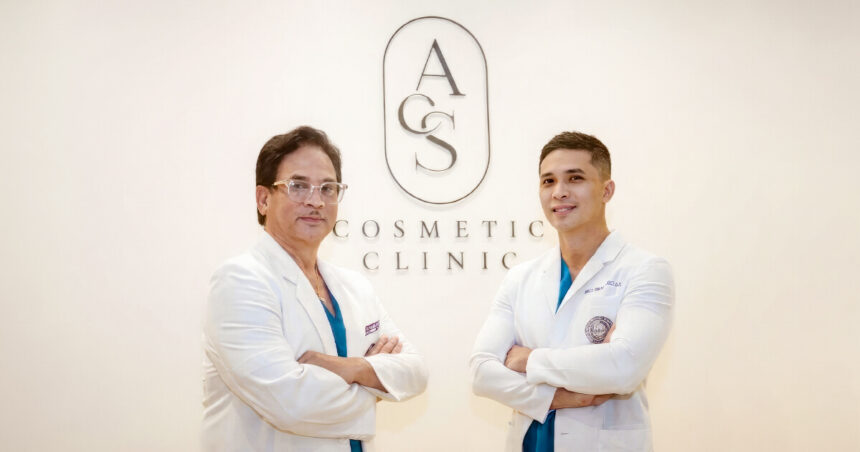
For individuals exploring cosmetic surgery in the Philippines, Alonzo Cosmetic Surgery provides information about its medical team, including Dr. Benjamin Tan Alonzo and Dr. Benz Alonzo. The clinic describes a father-and-son practice with a professional history extending back to 1987 through its predecessor, Beaufaces. Its doctors’ page outlines their respective backgrounds and experience in aesthetic medicine.
As with any cosmetic surgery provider, patients should independently verify current professional licences, procedure-specific qualifications, board certifications, and facility accreditation. Different surgical specialties have different certification requirements, and a cosmetic surgery fellowship should not automatically be interpreted as certification by the Philippine Board of Plastic Surgery.
The clinic’s published information identifies consultation locations in Makati and Quezon City. Patients considering its services can review the doctors’ profiles and discuss their individual concerns directly with the medical team.
Ultimately, choosing a surgeon should involve more than professional experience alone. Communication, patient safety practices, transparency about risks, and the quality of postoperative care are equally important considerations.
Making an Informed and Confident Decision
Deciding whether to undergo cosmetic surgery is a personal process that deserves careful thought. Some people spend months or even years researching procedures before arranging a consultation. Others discover during their research that surgery may not be the right option for their circumstances. Both outcomes can represent successful decision-making when they are based on accurate information and personal priorities.
One useful approach is to begin by identifying the specific concern that needs to be discussed. Rather than immediately searching for a particular operation, patients can explain their goals to a qualified surgeon and ask which options may be appropriate. Sometimes a different surgical technique, a nonsurgical treatment, or no intervention may be the more suitable recommendation. An ethical practitioner should be willing to discuss these alternatives without pressuring the patient.
It is also important to consider the practical aspects of surgery. Recovery may affect employment, household responsibilities, travel, and daily routines. Patients should assess whether they have adequate time, support, and financial resources for the entire process, including possible complications or additional treatment. These considerations are especially important for individuals travelling to the Philippines specifically for an operation.
Choosing cosmetic surgery should never be a rushed decision. Taking time to research qualifications, compare medical opinions, and understand potential outcomes allows patients to make choices that align with their circumstances. Confidence in the decision should come from being well informed, not from promises of perfect results.
Conclusion
Exploring cosmetic surgery in the Philippines involves more than finding a clinic or selecting a procedure. It requires understanding the surgeon’s qualifications, evaluating safety standards, recognising potential risks, and developing realistic expectations about the outcome.
The most important step is choosing an appropriately qualified medical professional who communicates openly and prioritises patient welfare. A thorough consultation should provide enough information to understand the proposed treatment, available alternatives, recovery requirements, and possible complications.
For anyone considering an aesthetic procedure, research and independent verification are essential. By prioritising safety and informed decision-making, patients can approach their options with greater clarity and make choices that reflect their own needs and goals.
Frequently Asked Questions
1. How do patients choose a qualified cosmetic surgeon in the Philippines?
Patients should start by verifying the doctor’s Philippine medical licence, relevant surgical training, board certifications, and experience with the intended procedure. For plastic surgery, they can consult the Philippine Association of Plastic, Reconstructive and Aesthetic Surgeons (PAPRAS) and investigate Philippine Board of Plastic Surgery certification. They should also confirm the facility’s accreditation and ask about complication management.
2. Is cosmetic surgery in the Philippines safe?
Cosmetic surgery can be performed with appropriate medical safeguards, but no operation is completely risk-free. Safety depends on factors including the surgeon’s qualifications, the facility, the procedure, the patient’s health, and postoperative care. A qualified surgeon should explain the risks relevant to the patient’s circumstances before consent to treatment.
3. What cosmetic surgery procedures are available in the Philippines?
Procedures offered by different clinics may include rhinoplasty, eyelid surgery, facial contouring, liposuction, abdominoplasty, and other aesthetic operations. Availability and suitability vary by provider. A medical consultation is necessary to determine which procedures, if any, are appropriate for an individual patient.
4. How much does cosmetic surgery cost in the Philippines?
Costs vary depending on the procedure, surgeon, facility, anaesthesia, and complexity of treatment. Patients should request a written quotation that identifies what is included and whether additional expenses may arise. Price should not be the main factor when selecting a surgeon, particularly when comparing providers with different qualifications or facilities.
5. What should patients expect during their first cosmetic surgery consultation?
The surgeon should discuss the patient’s goals, medical history, relevant health conditions, and treatment options. Patients should receive information about expected outcomes, limitations, risks, recovery, and costs. The consultation also provides an opportunity to verify qualifications, ask about the surgical facility, and decide whether the proposed treatment feels appropriate.