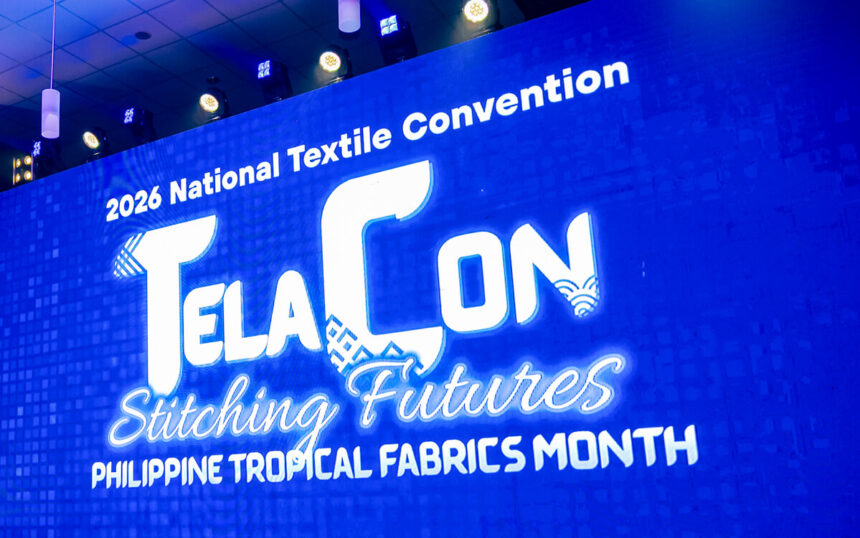
As part of its continuing, year-on-year efforts to strengthen the Philippine textile sector, the Department of Science and Technology, Philippine Textile Research Institute hosts the National Textile Convention, also known as TELACon, from January 27 to 29, 2026 at the Philippine International Convention Center in Pasay City. The event brings together stakeholders to support a more unified, innovative, and sustainable textile economy and advance the future of Telang Pinoy.
The three-day convention serves as a centerpiece of the annual Philippine Tropical Fabrics Month and stands as a premier gathering for textile innovators, industry leaders, researchers, creatives, and policymakers. With the theme “Stitching Futures,” TELACon 2026 focuses on shaping an inclusive and globally competitive future for the Philippine textile industry and its allied sectors by connecting science, culture, policy, and livelihood development.
“Stitching Futures highlights the art and science of connecting diverse elements into a unified whole and brings to life the DOST’s vision of making science tangible for Filipinos through the clothes they wear every day,” said DOST-PTRI Director Dr. Julius L. Leaño, Jr.
He added, “Like stitches joining separate pieces of fabric, our work in the textile sector brings together different ideas, disciplines, and perspectives to achieve stronger, more impactful results. Each stitch symbolizes the collaborations and partnerships that sustain and advance the industry, creating patterns that tell stories of innovation, sustainability, inclusivity, and shared growth.”

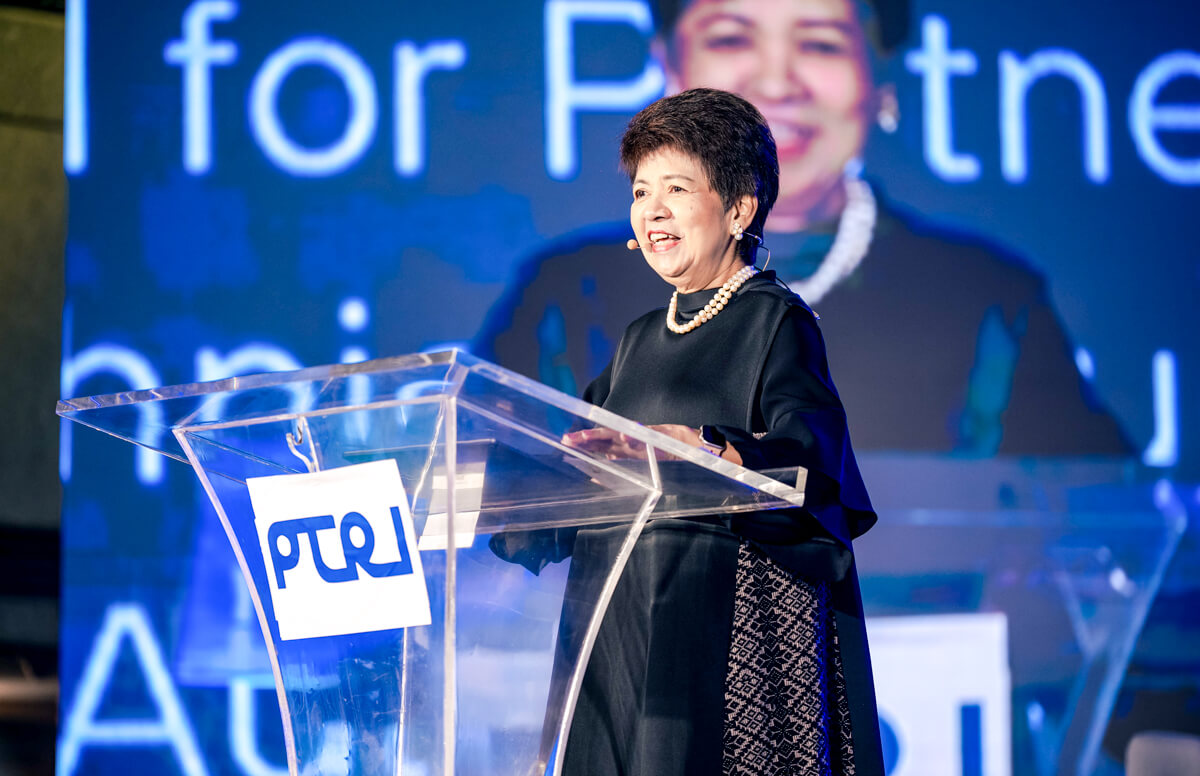
Sustainability, Culture, and the Carbon Economy: From Labs to Livelihood
The opening day of TELACon 2026 centered on advancing sustainability, cultural preservation, and inclusive development across the Philippine textile value chain. Key topics included “TextilePH in Cultural Diplomacy,” “Textile Academy,” “BARMM Textiles,” and “SusTELAbility,” which highlighted how Philippine fabrics are evolving into tools of diplomacy that open economic, academic, and political opportunities on the global stage.
Discussions underscored the importance of translating scientific innovation into tangible drivers of economic growth and community development. Anchored on the department’s Three-Horizon Science, Technology, and Innovation Economic Strategy, the sessions explained how this framework supports the transformation of micro, small, and medium enterprises, accelerates the commercialization of textile research and development, and promotes sector-wide growth through emerging technologies. Speakers emphasized that this strategy strengthens global competitiveness while ensuring innovation contributes to inclusive economic development, cultural preservation, and environmental sustainability.
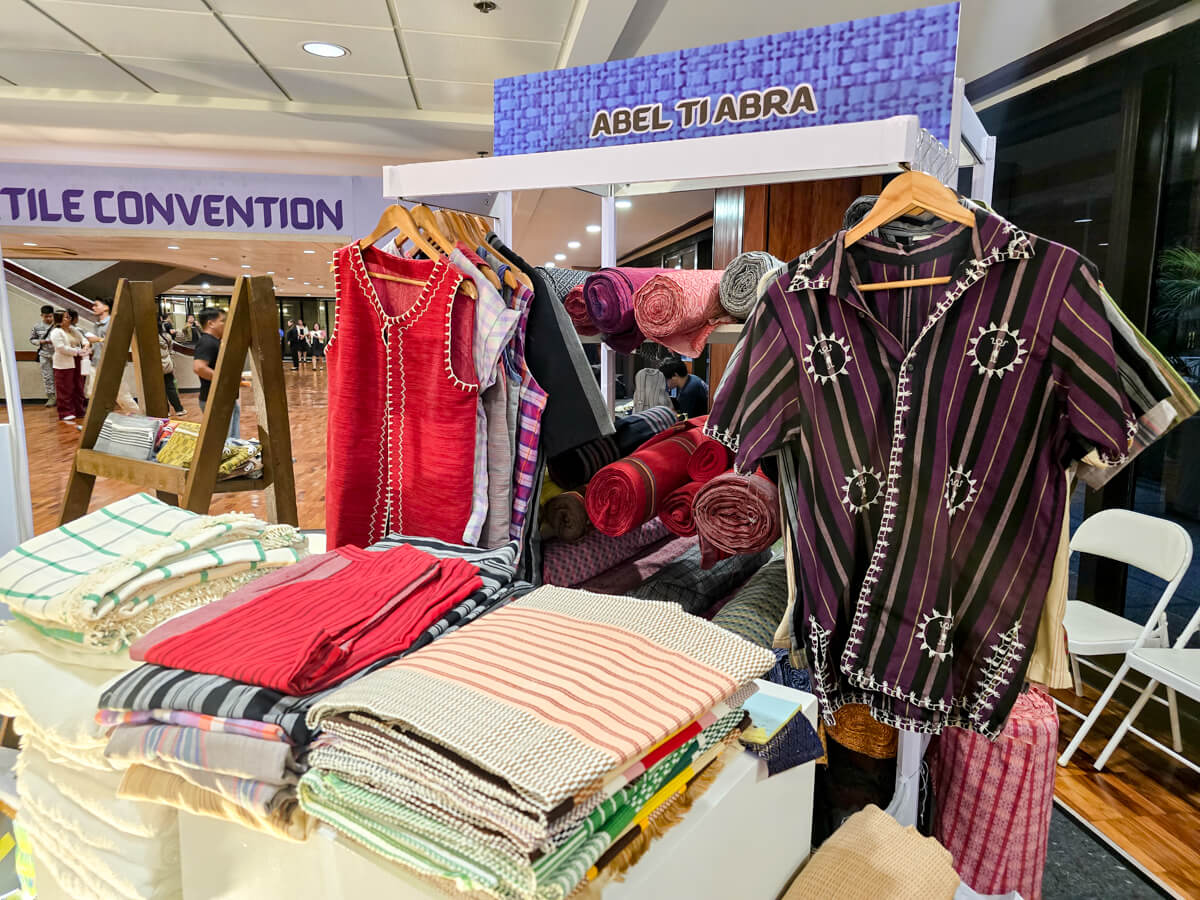
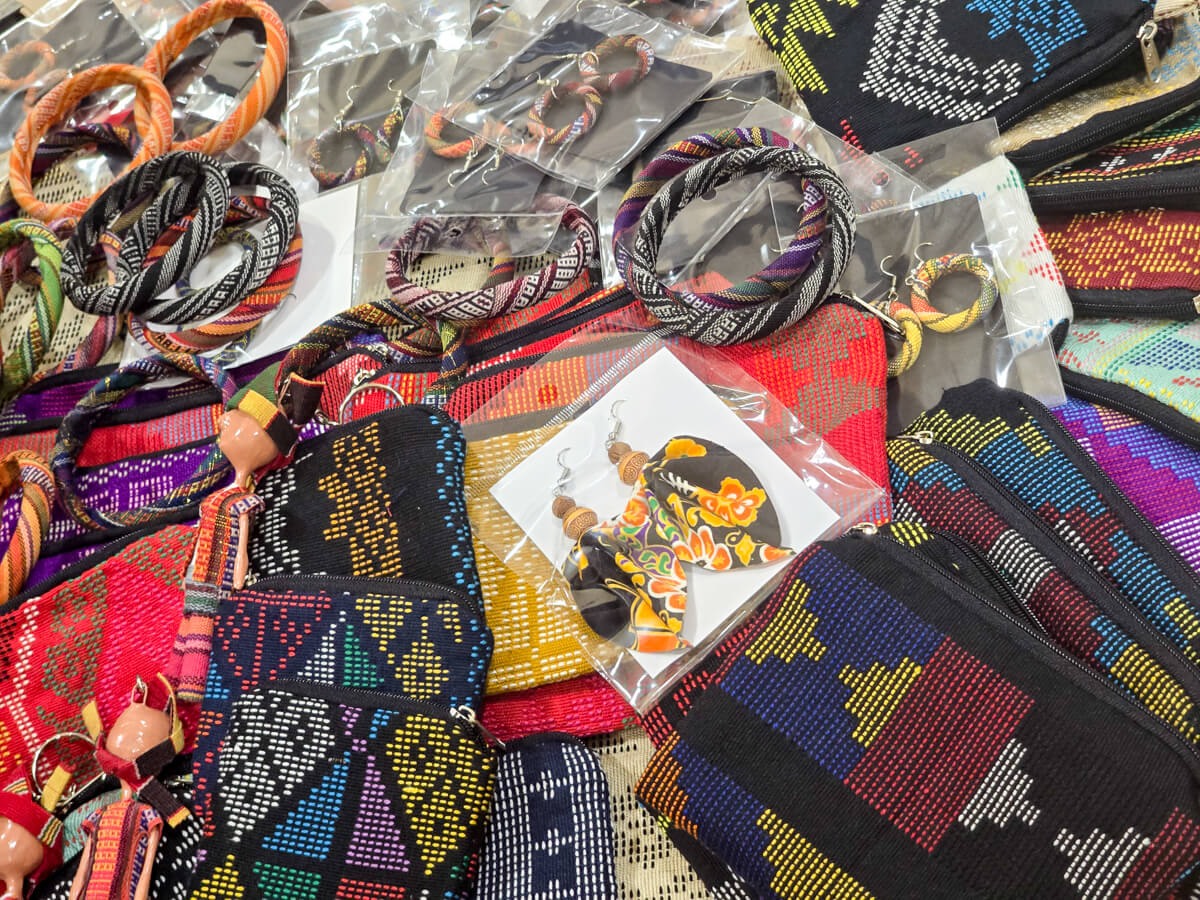
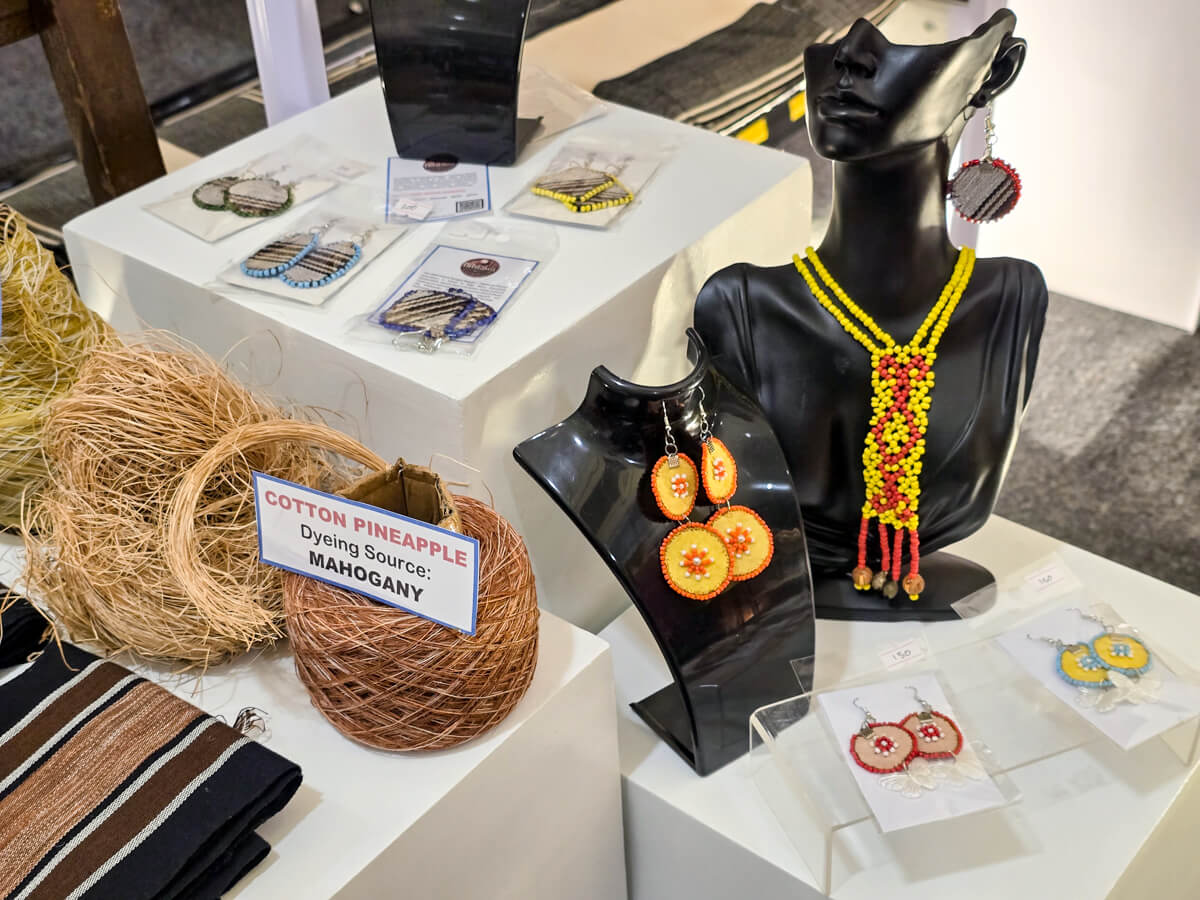
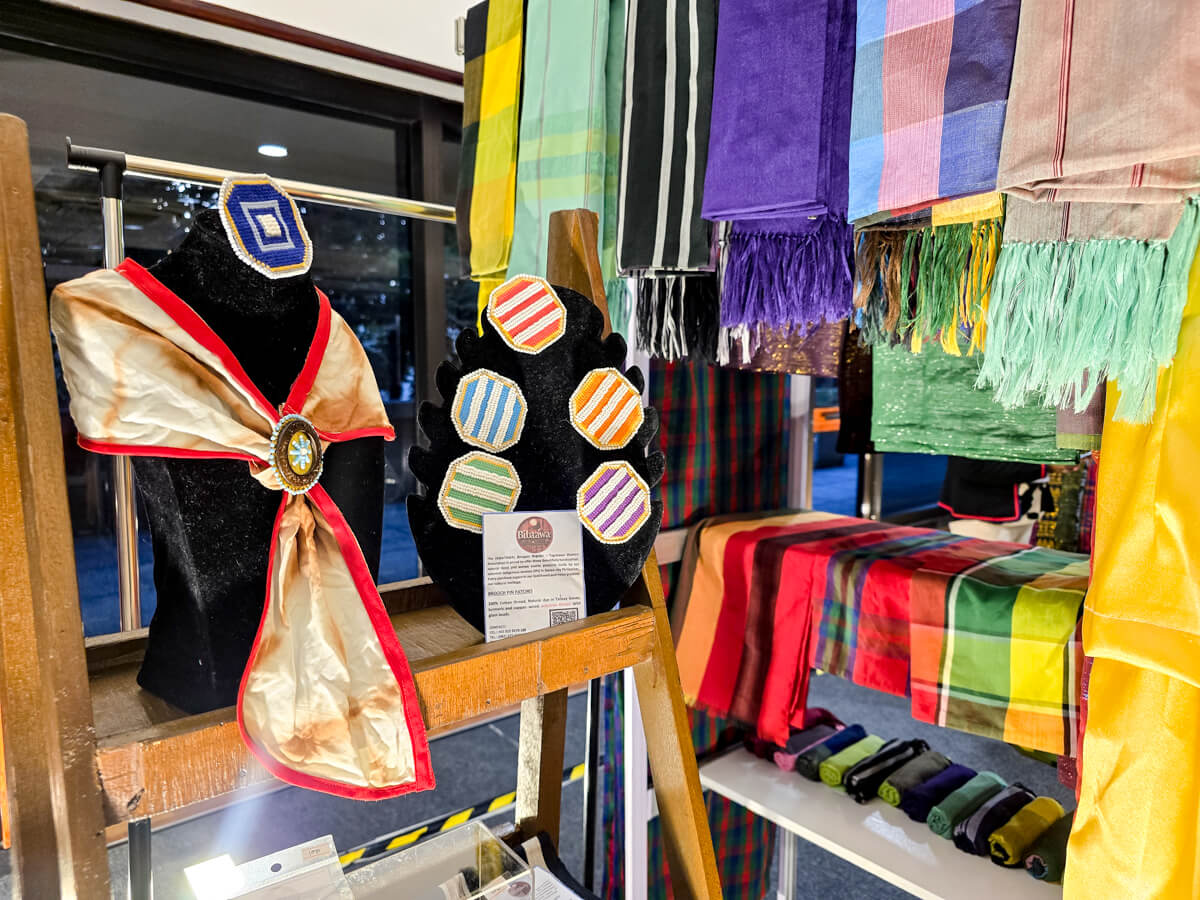
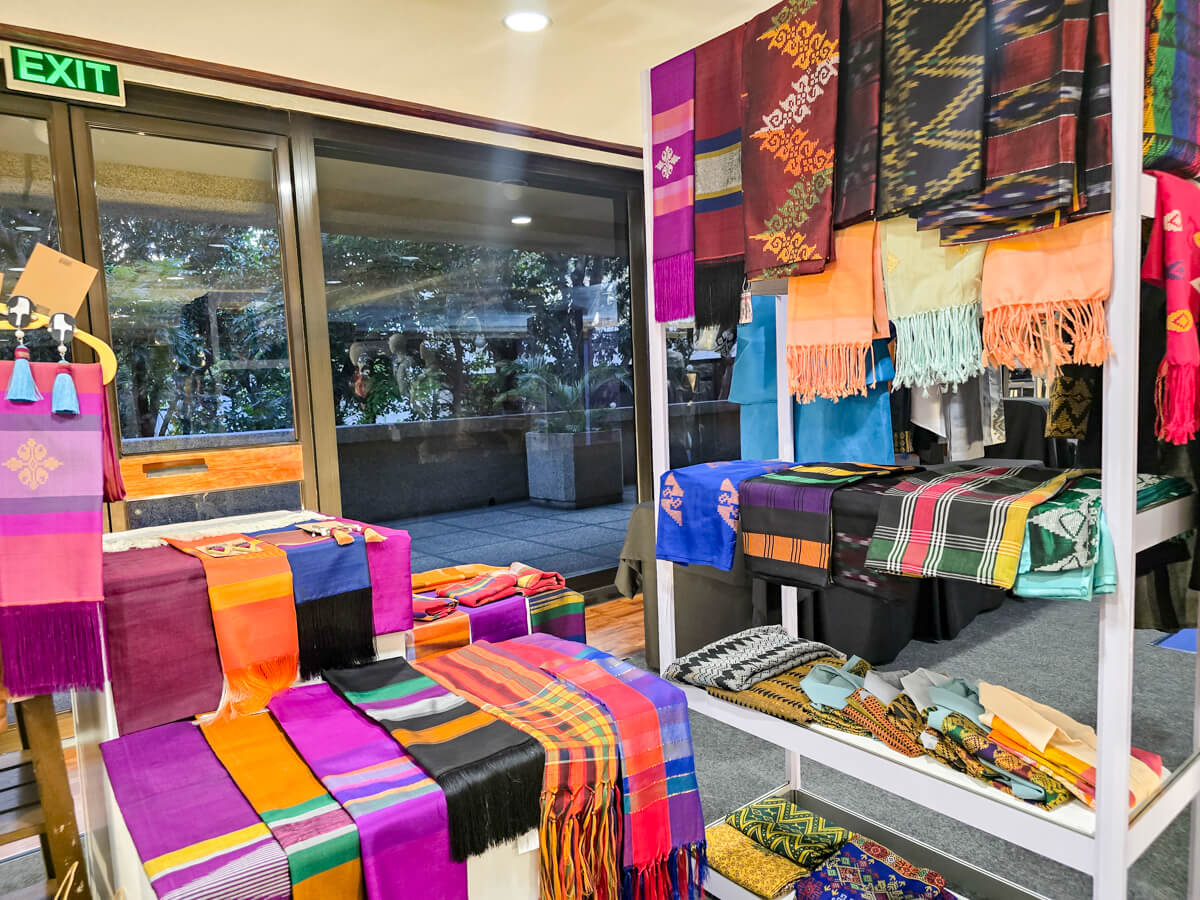
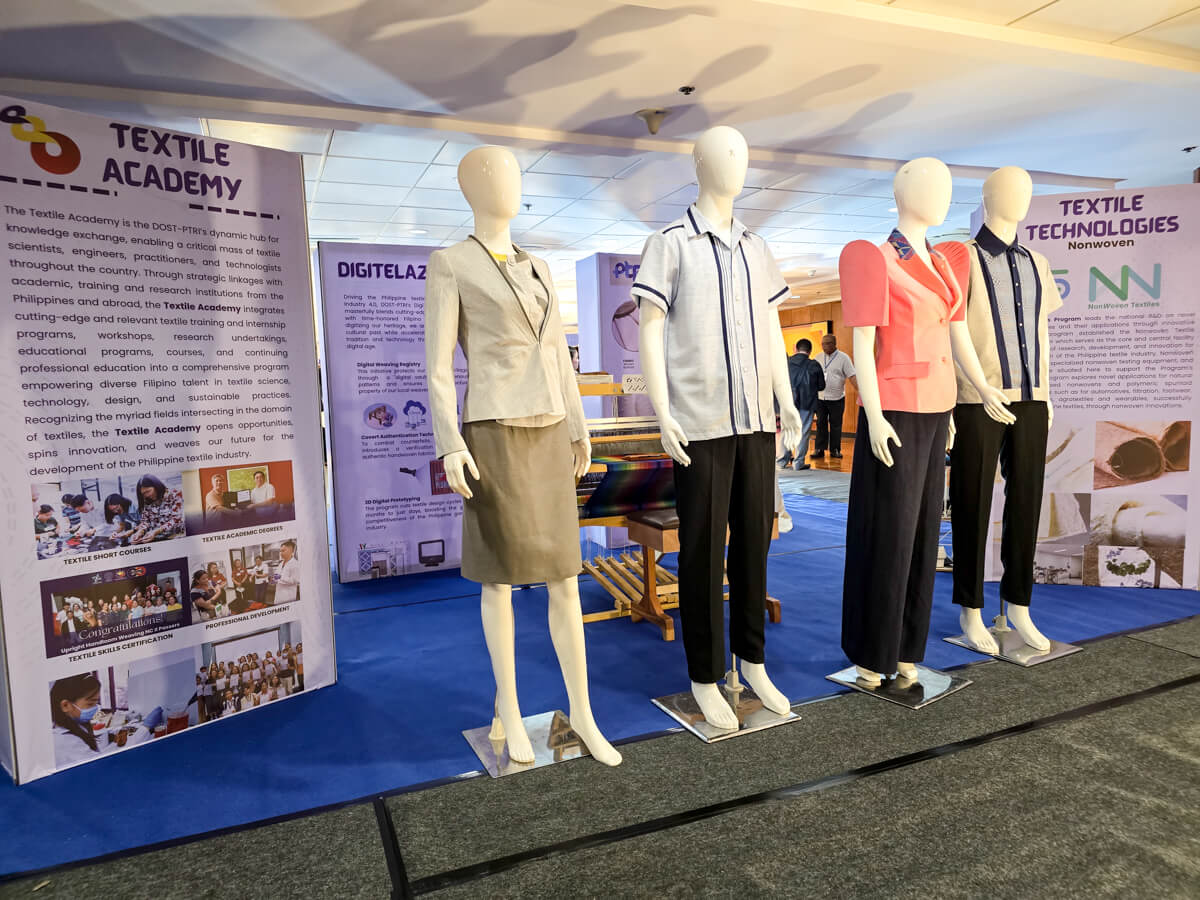
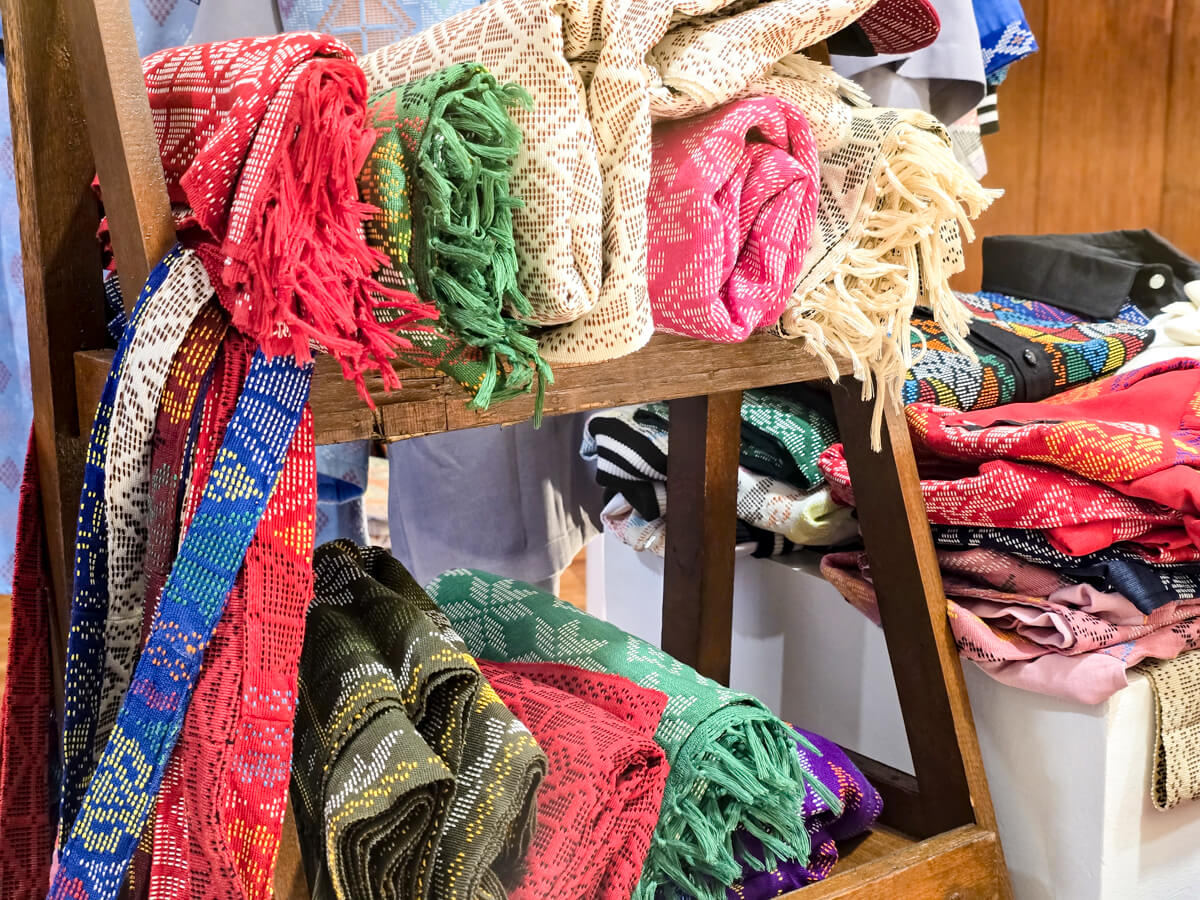
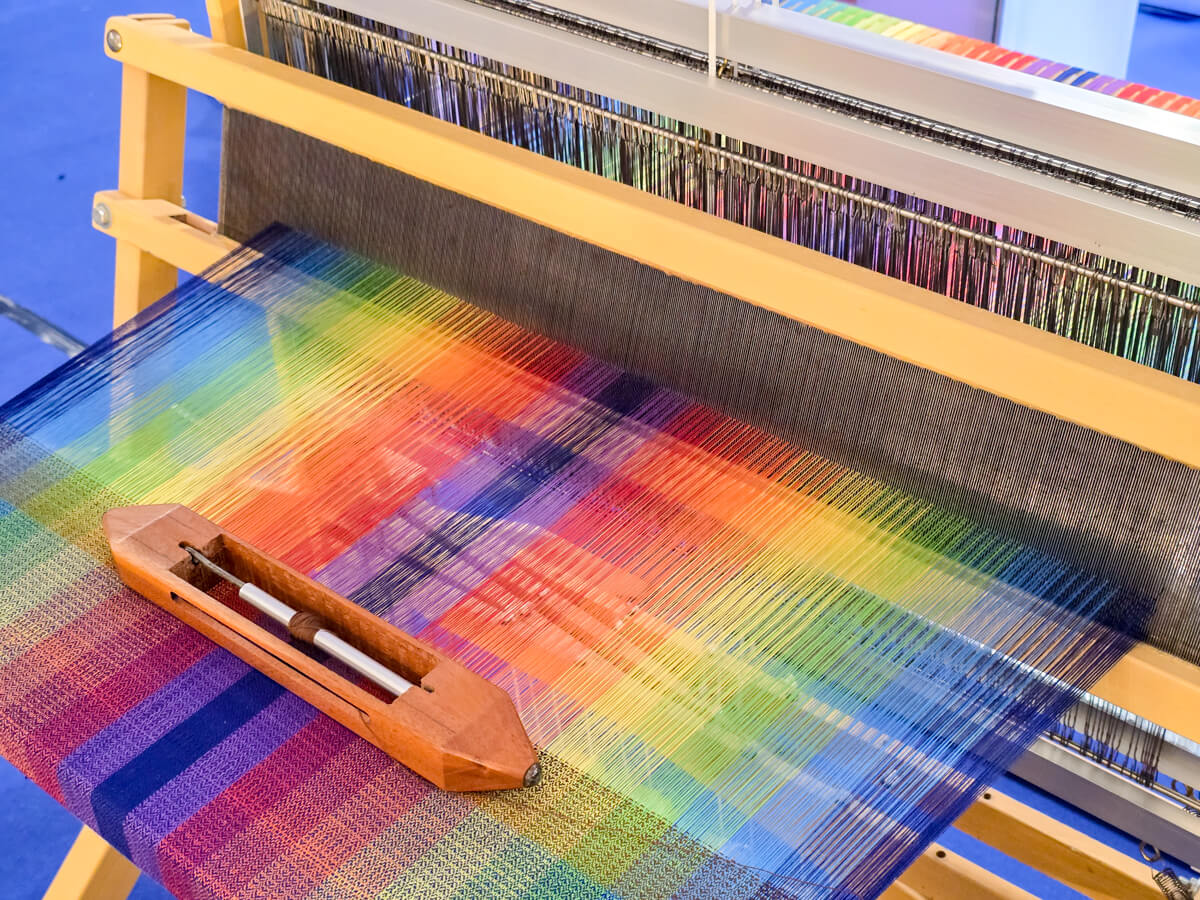
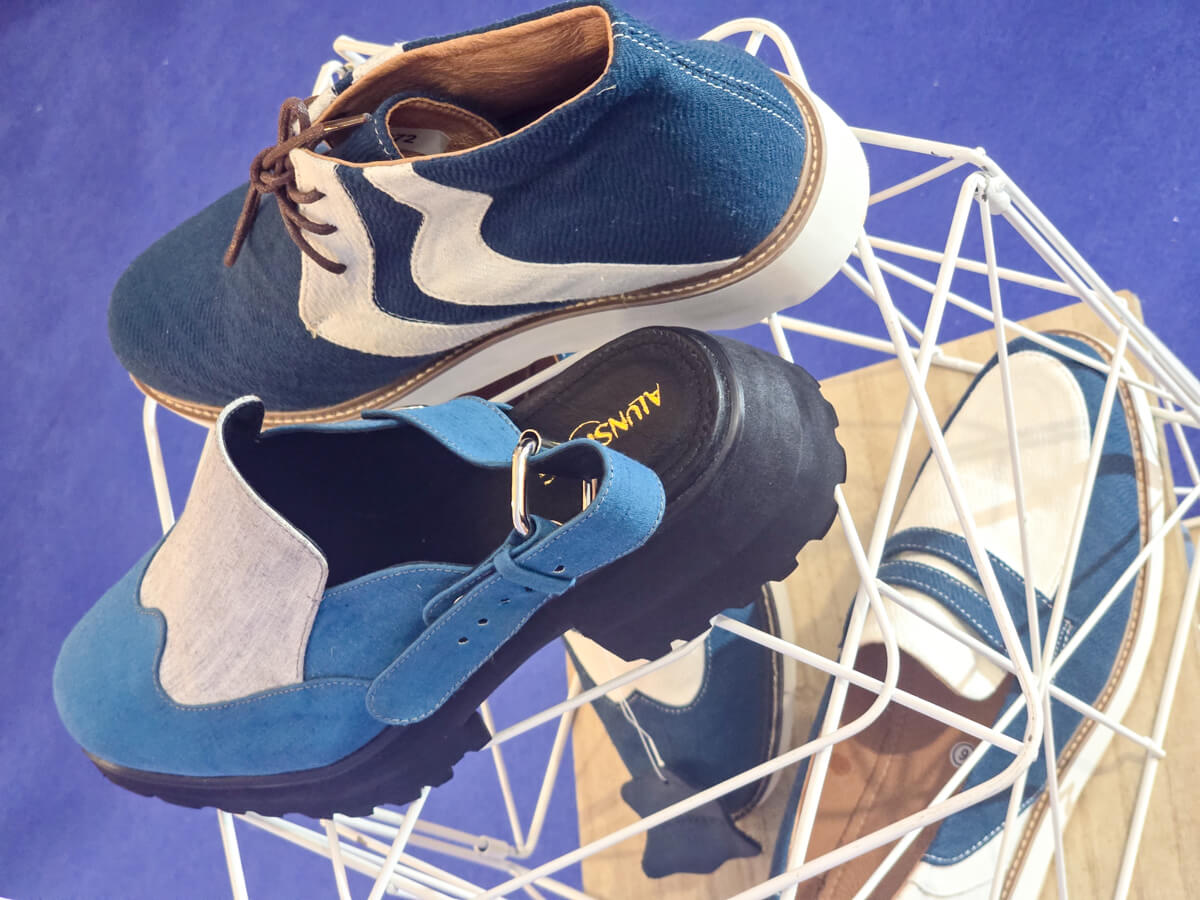
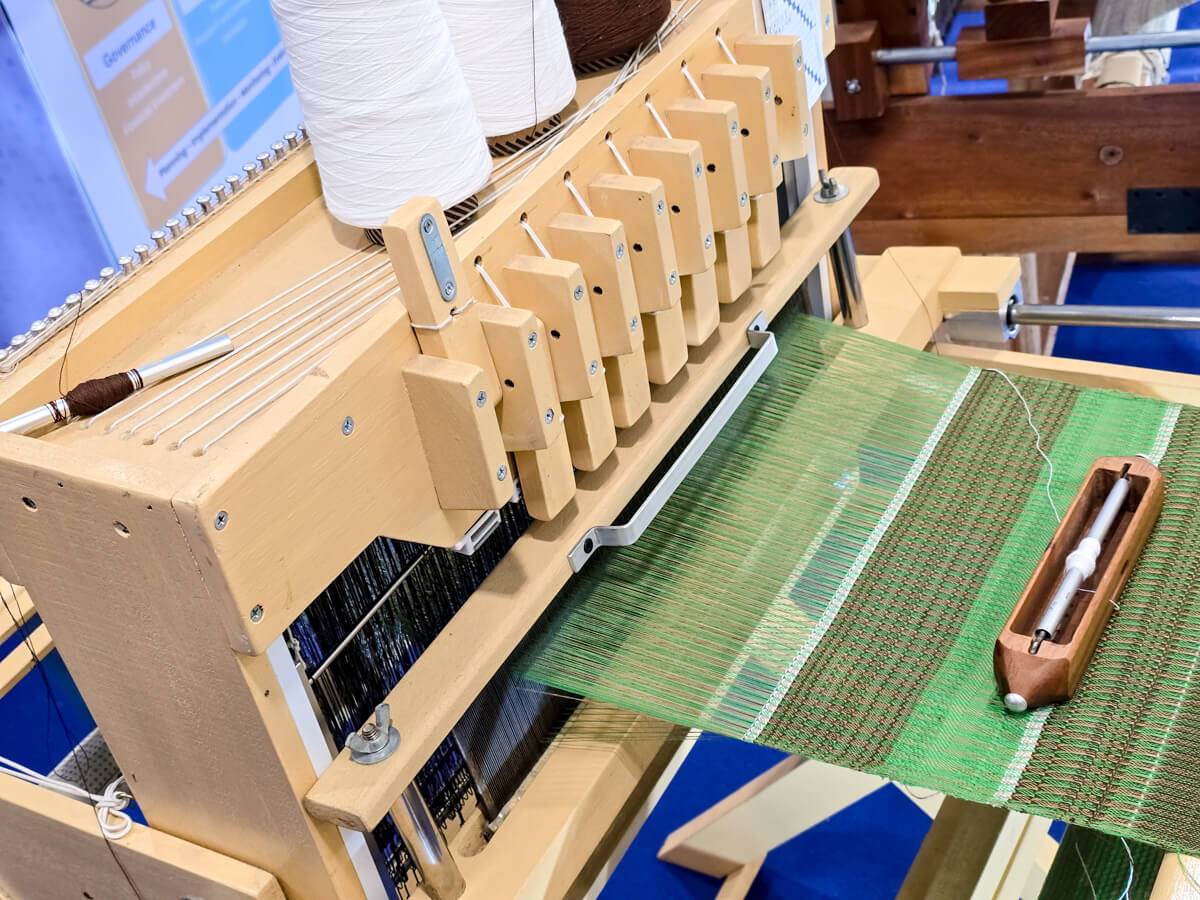
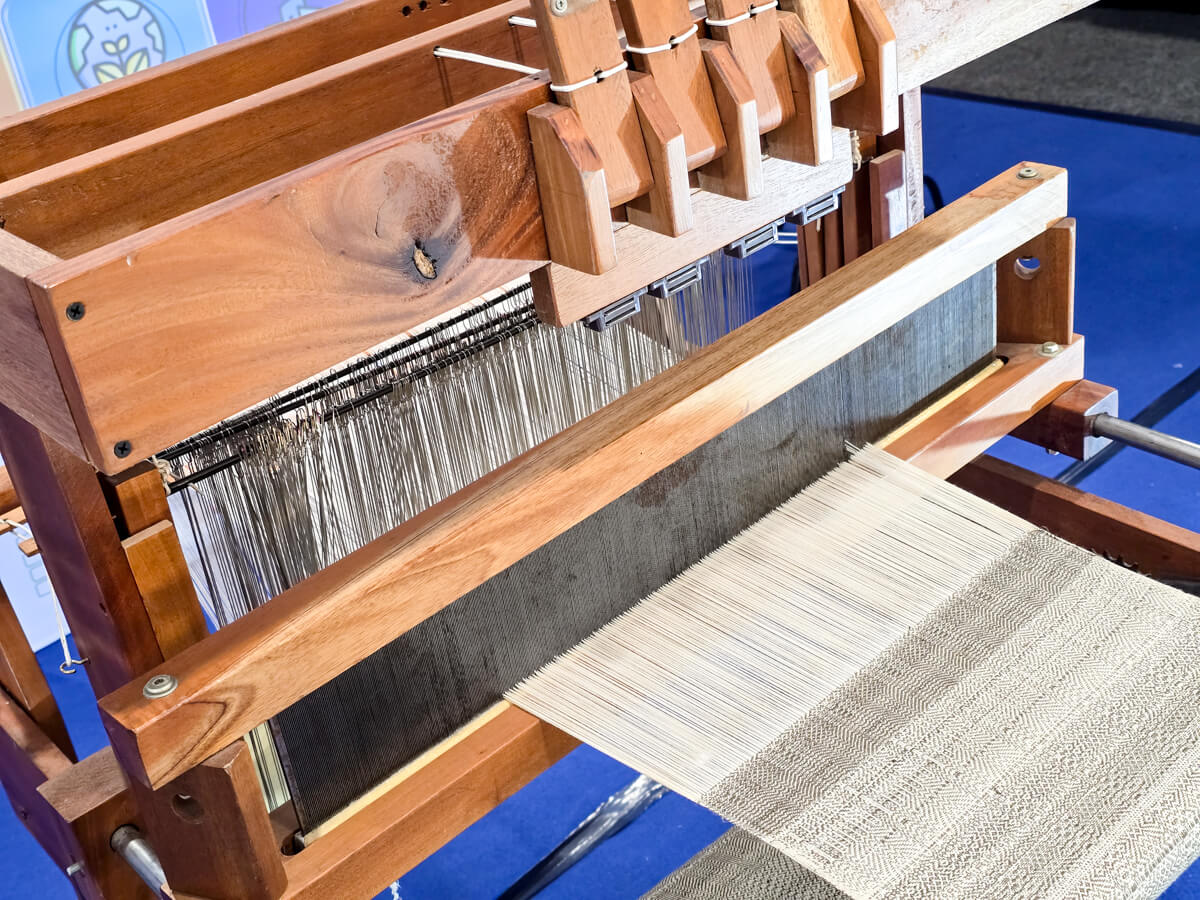
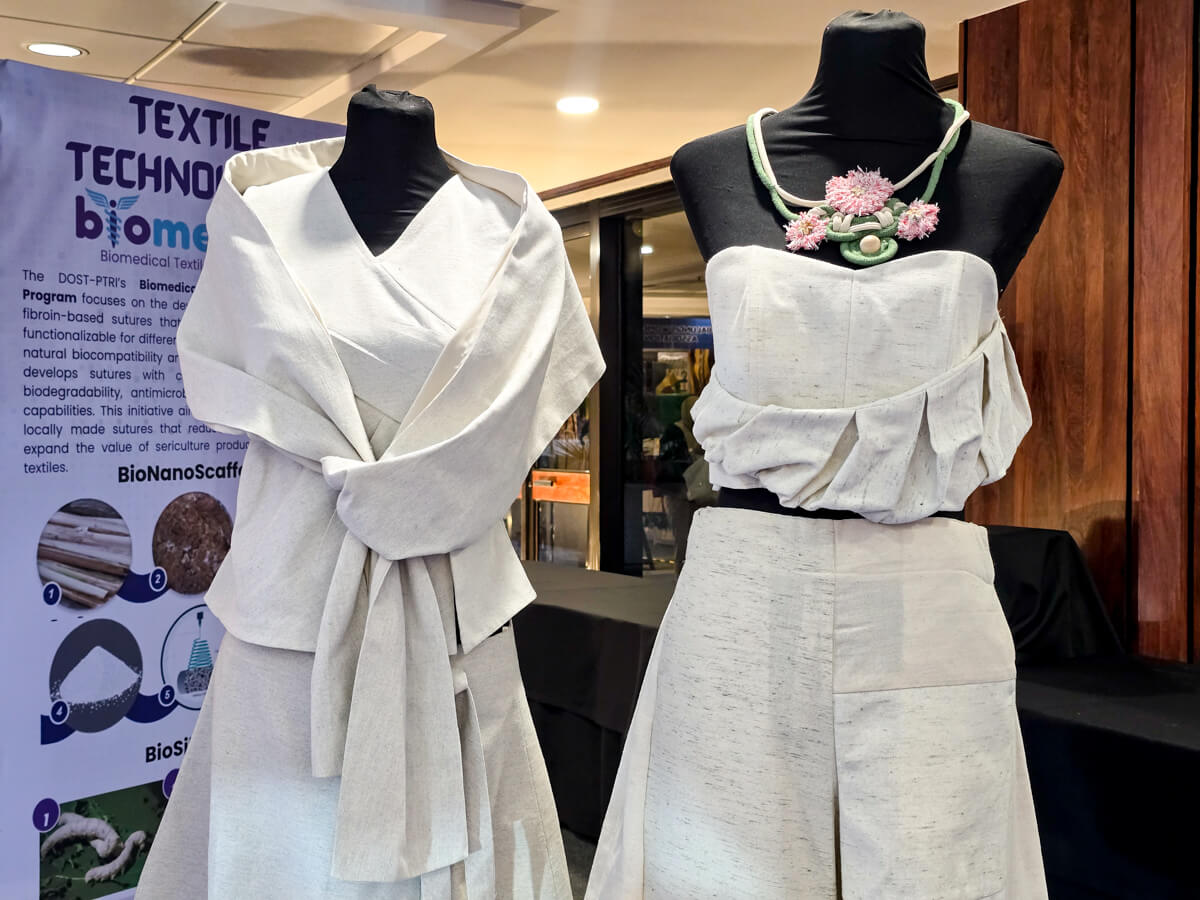
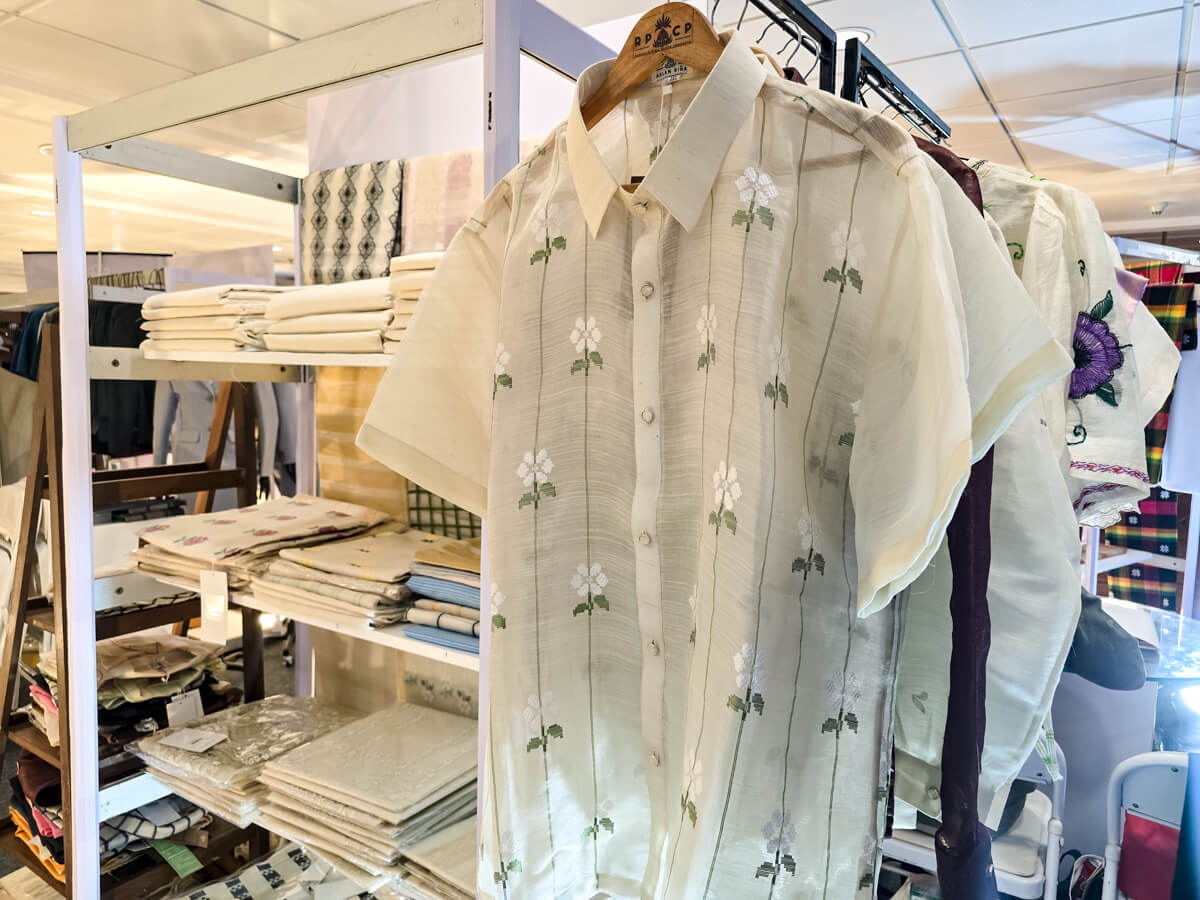
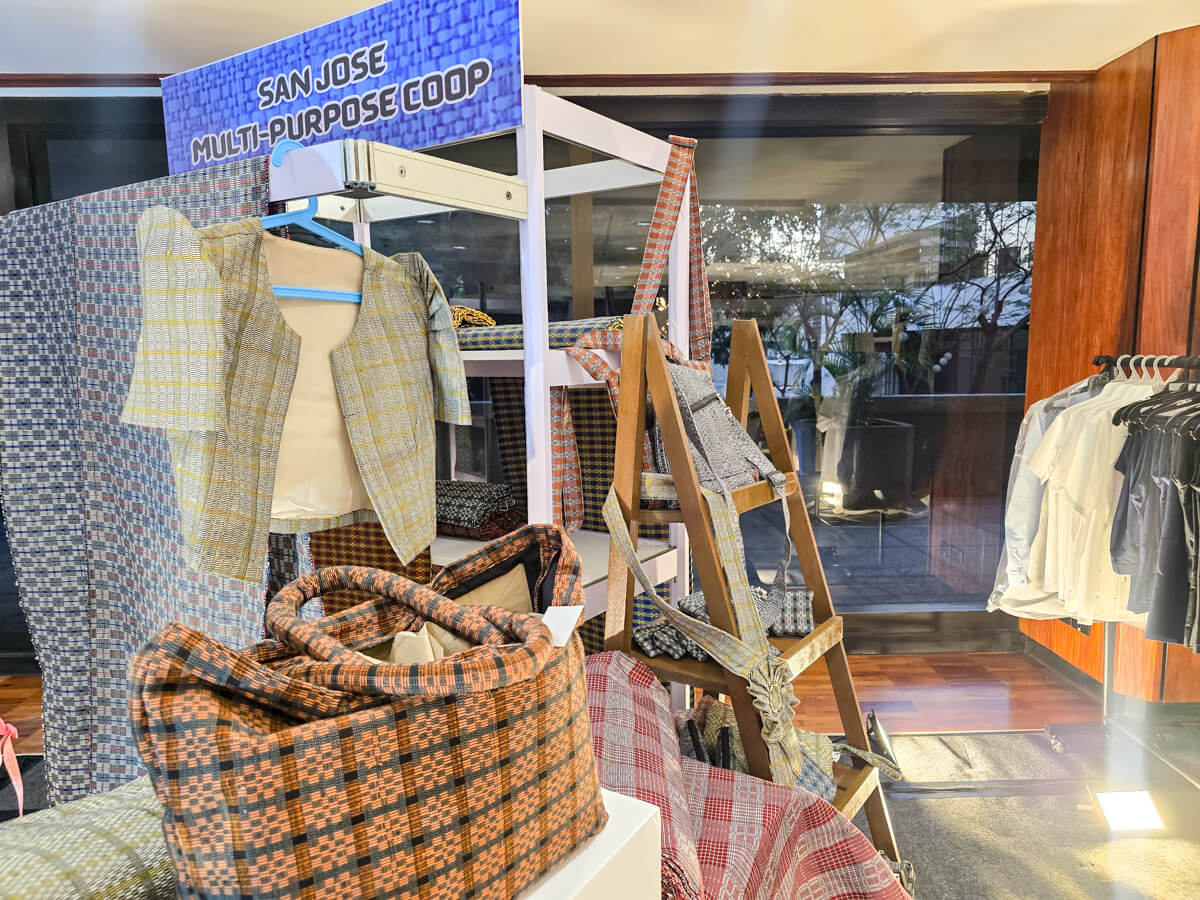
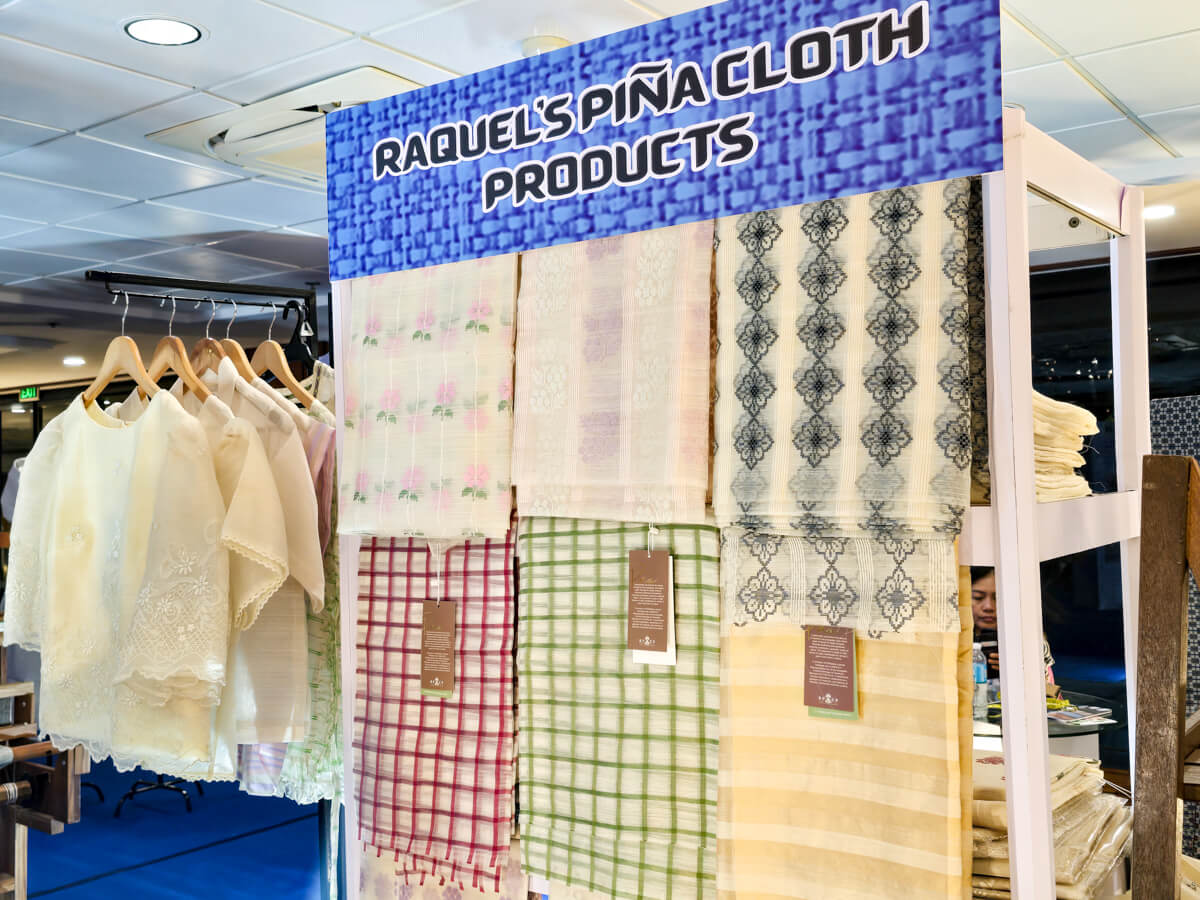
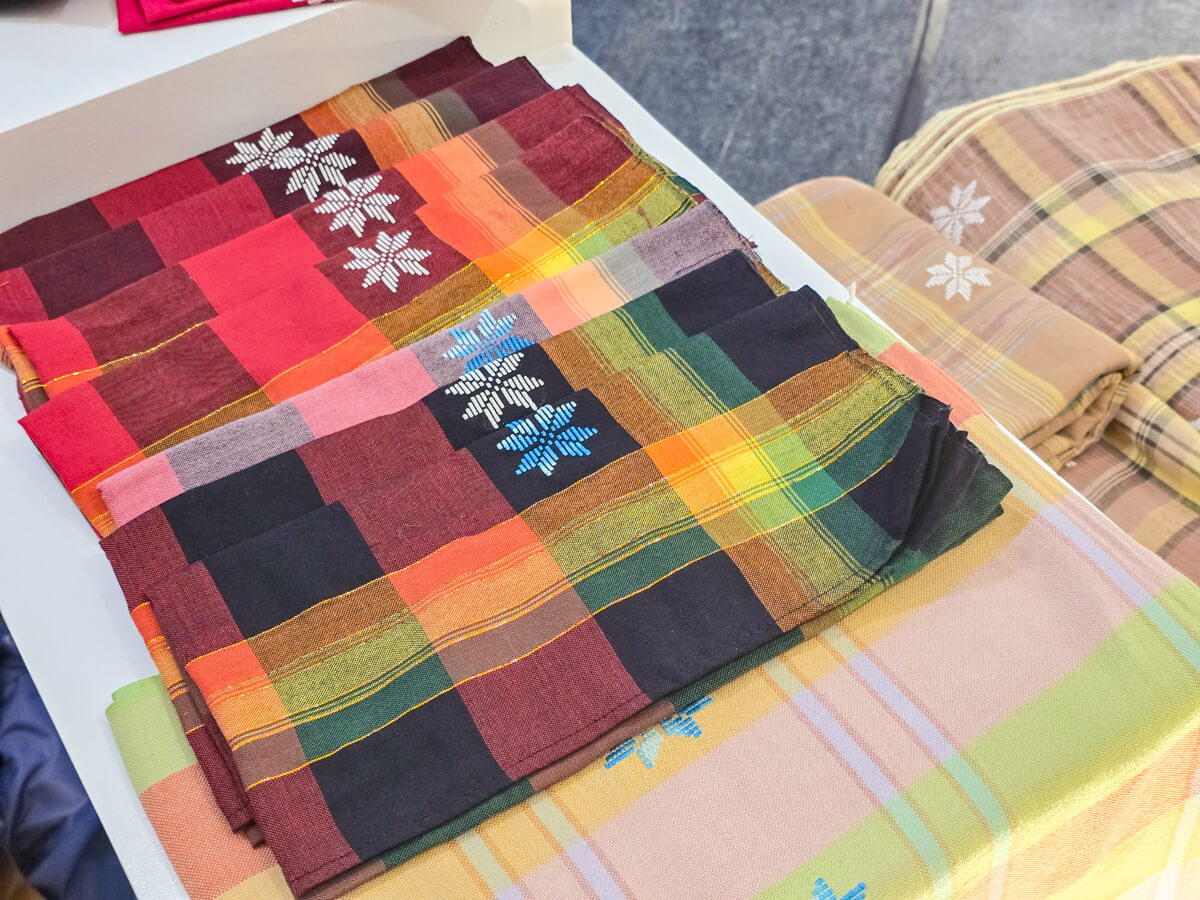
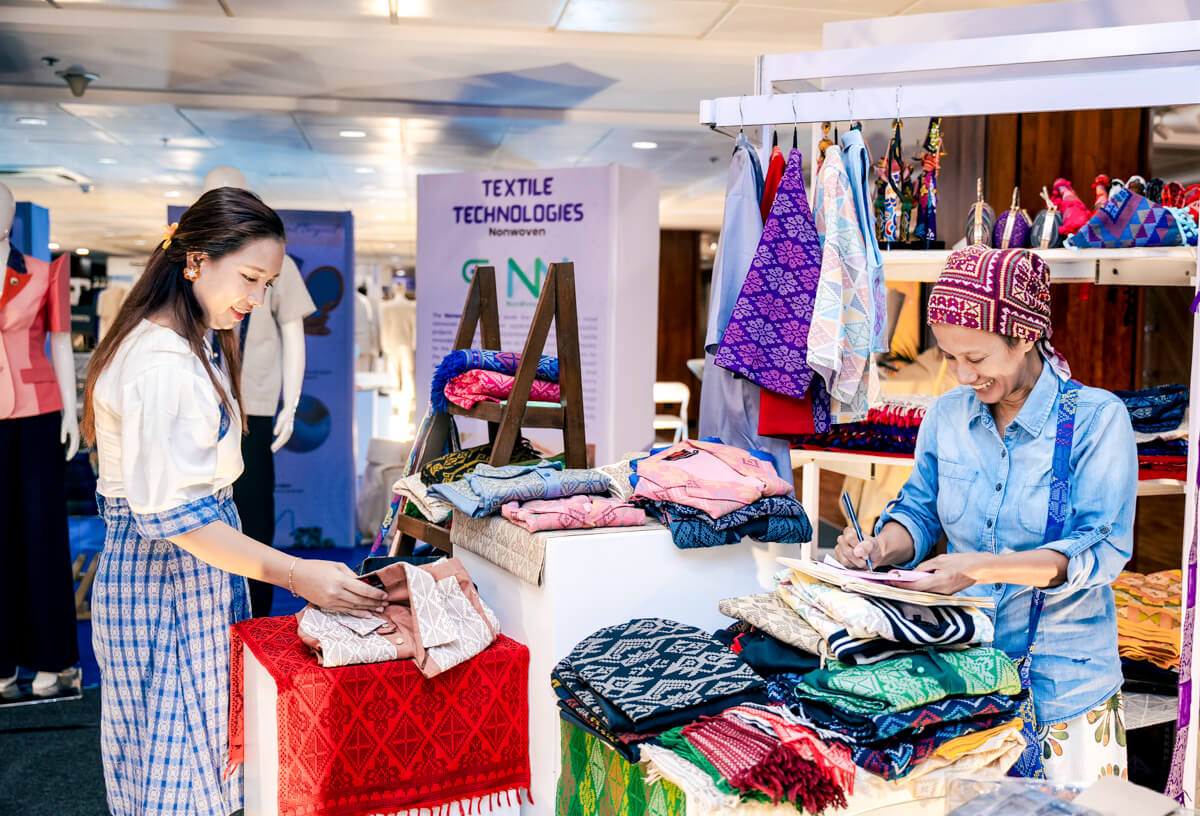
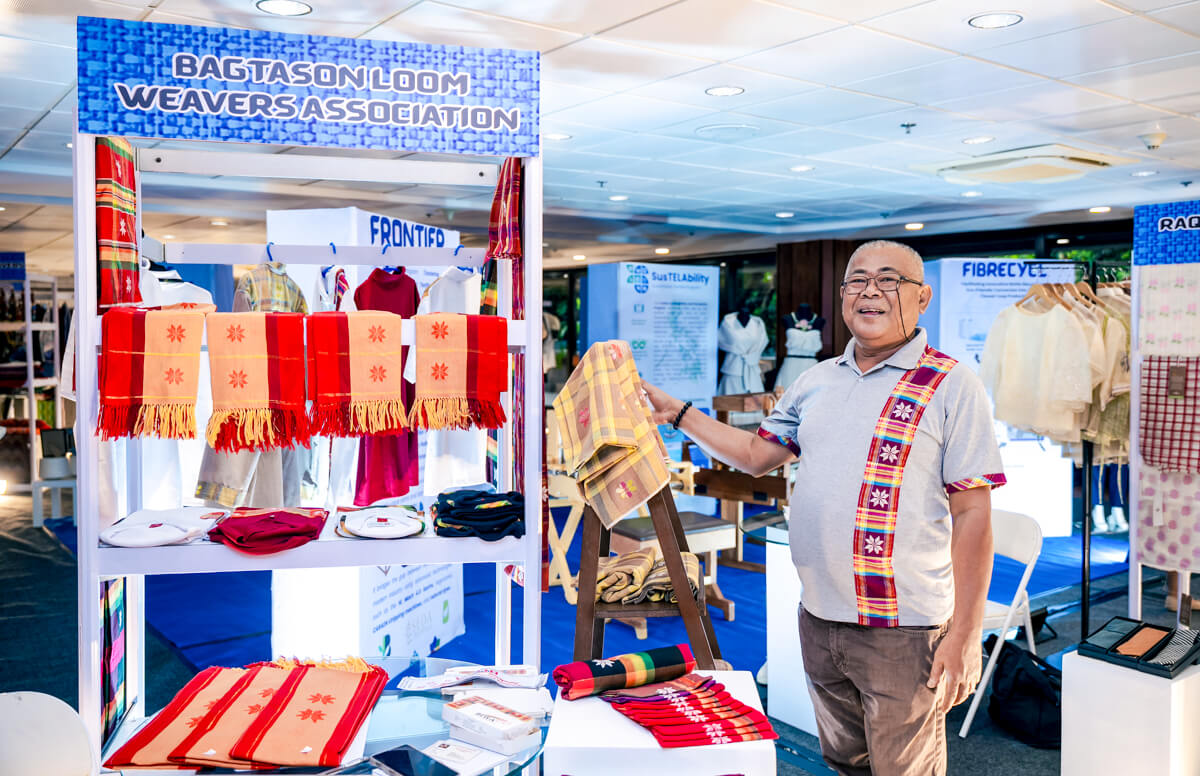
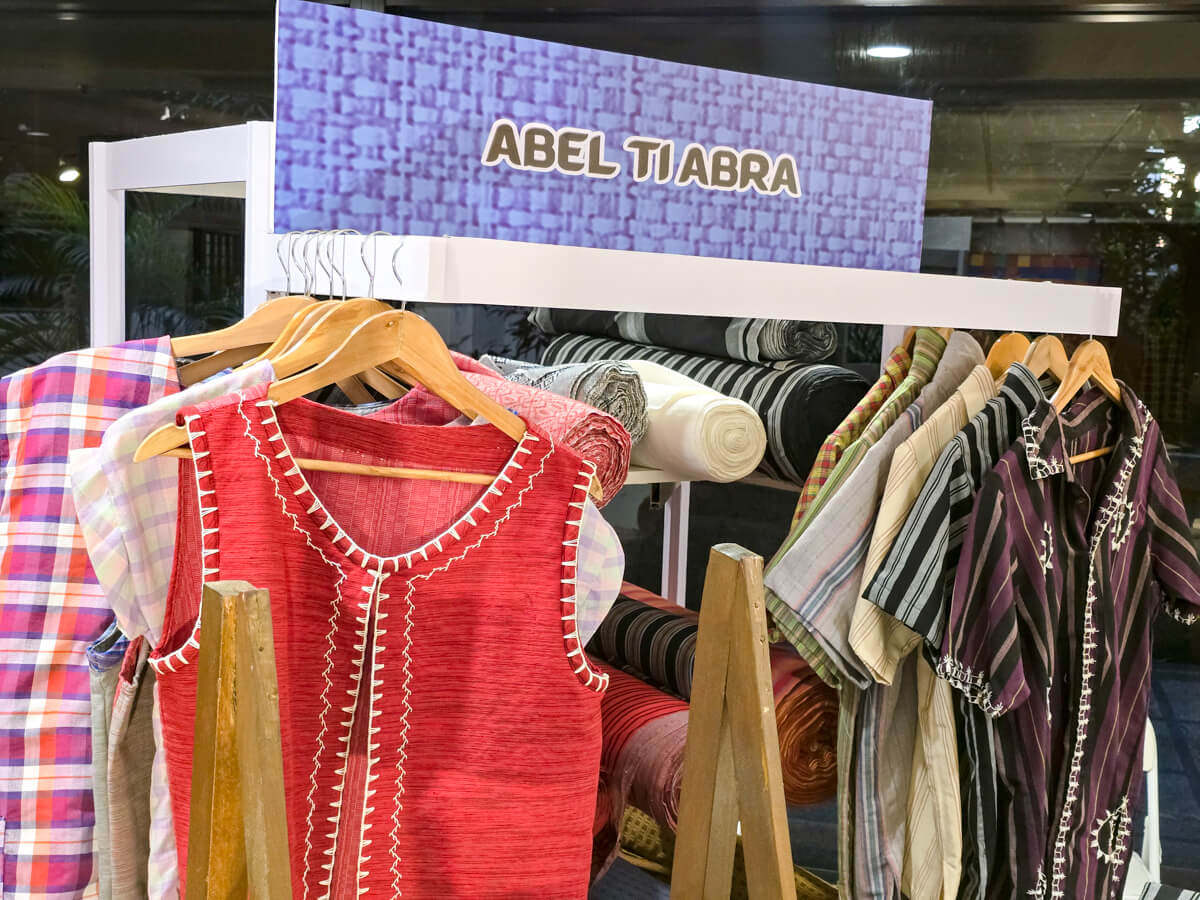
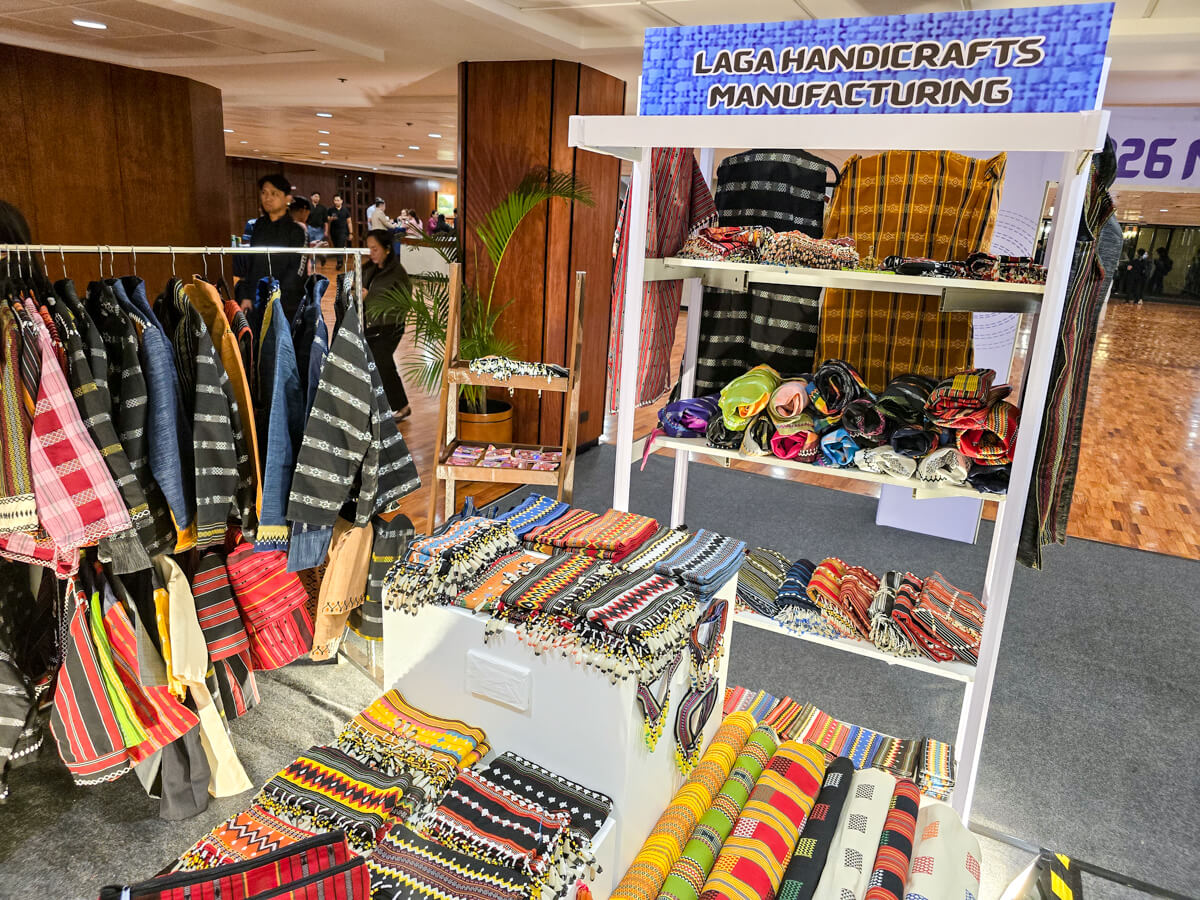
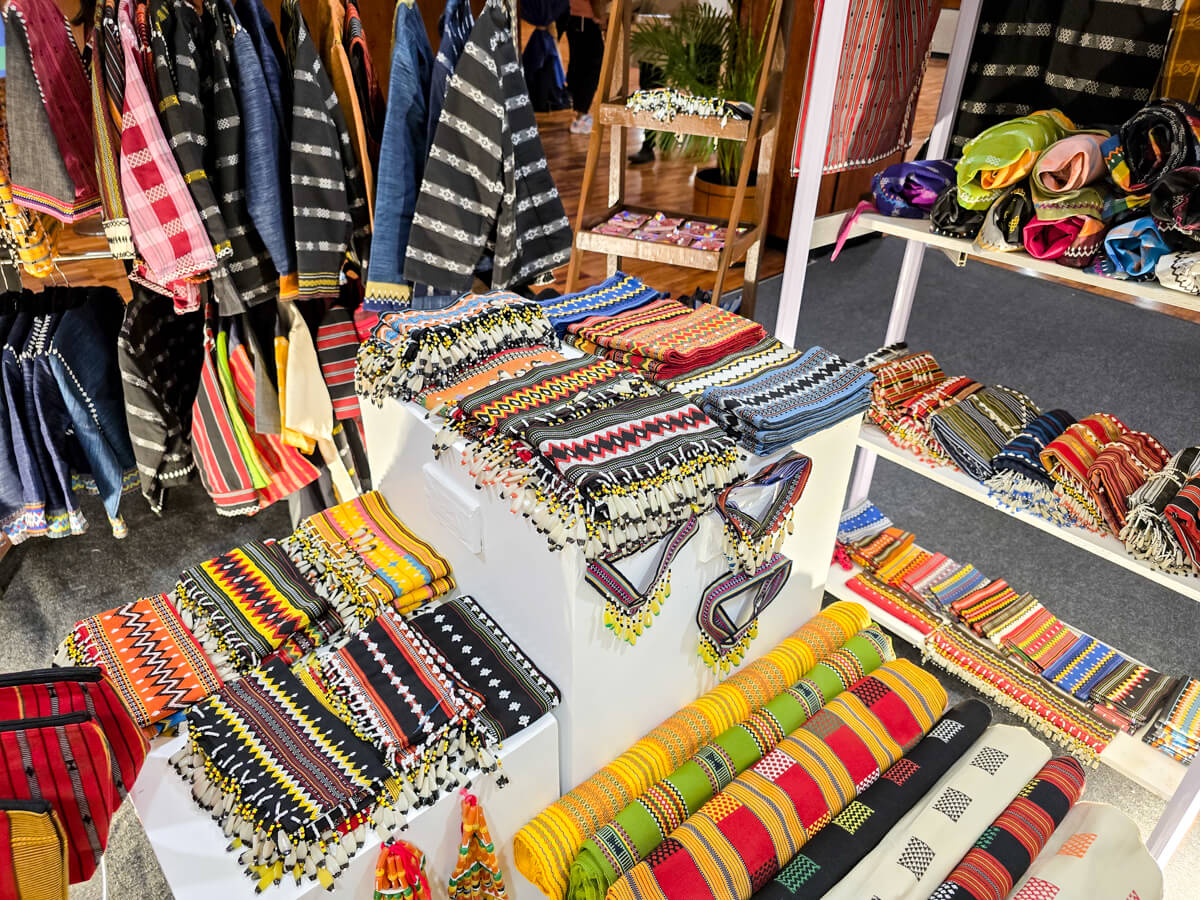
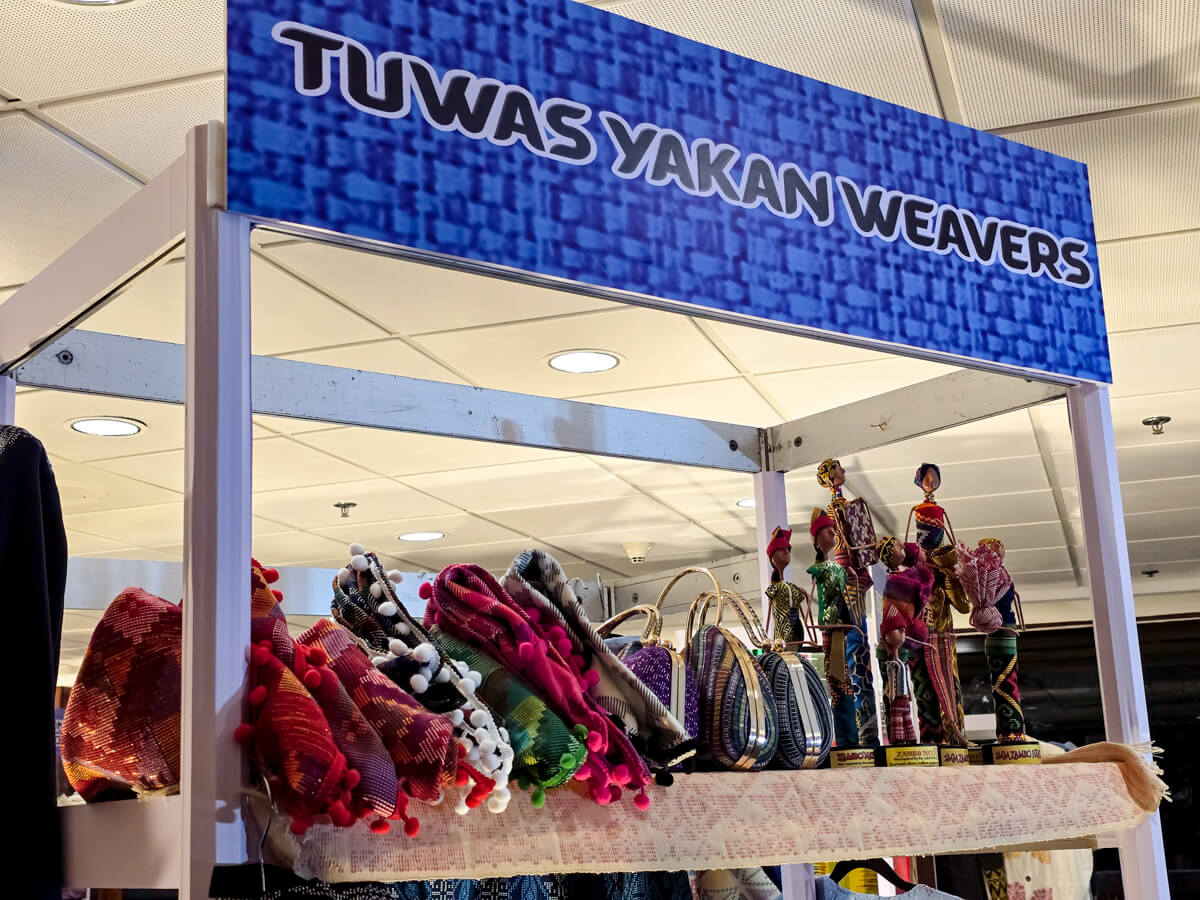
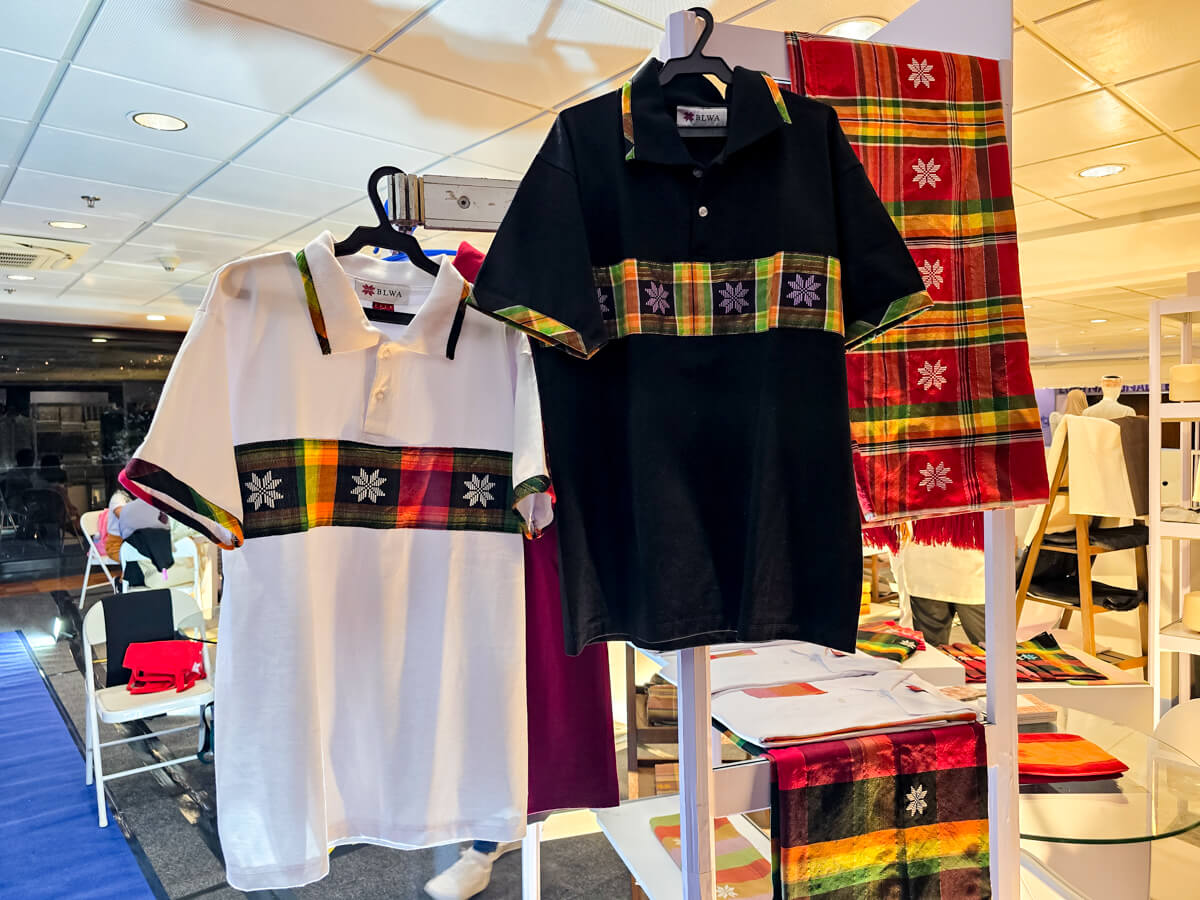
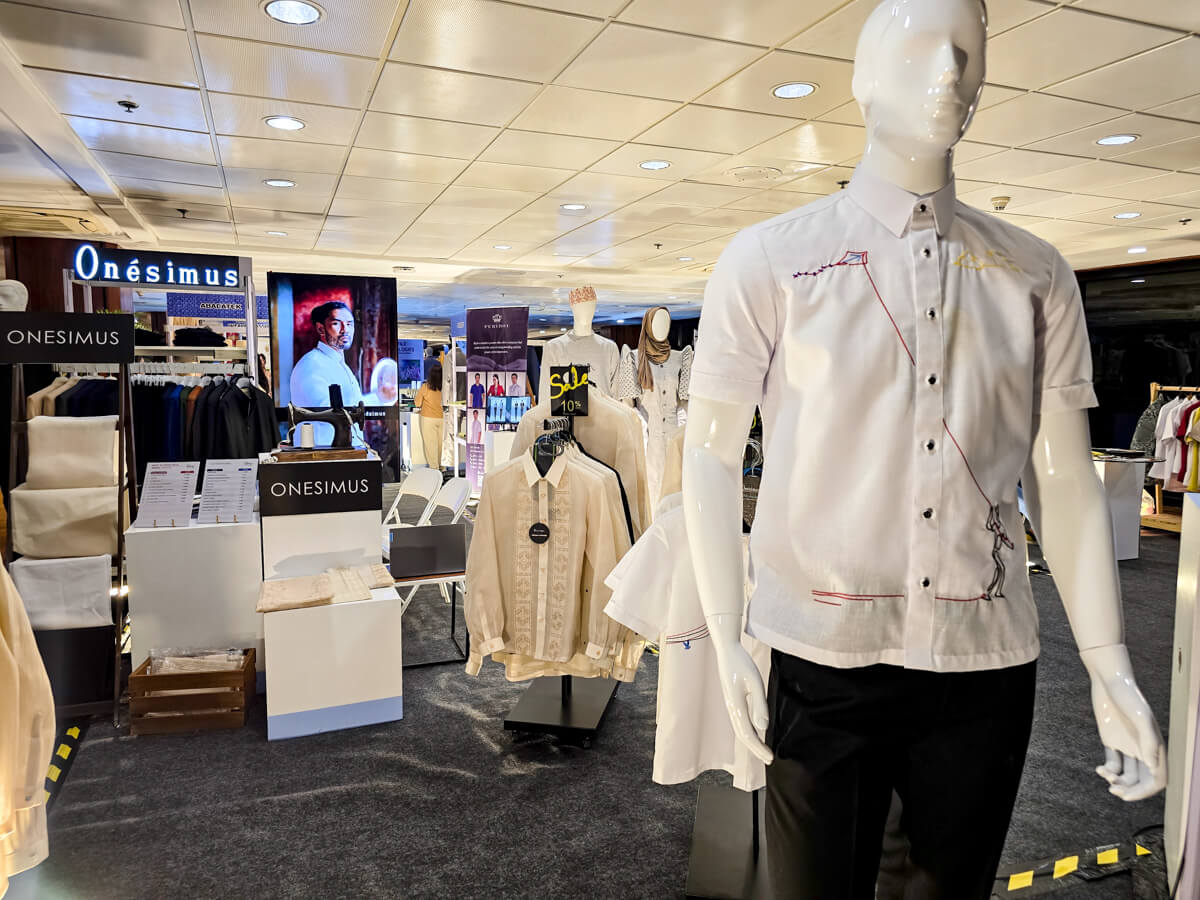
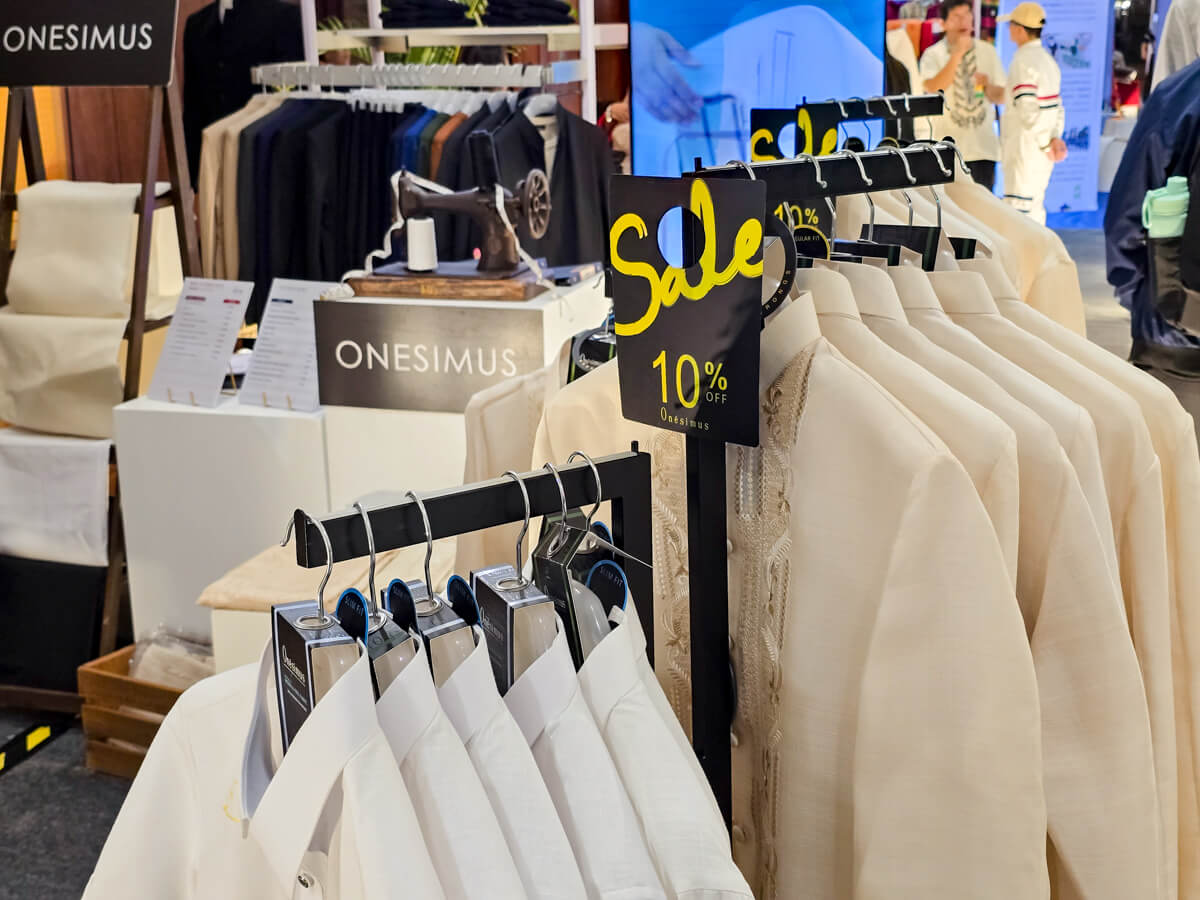
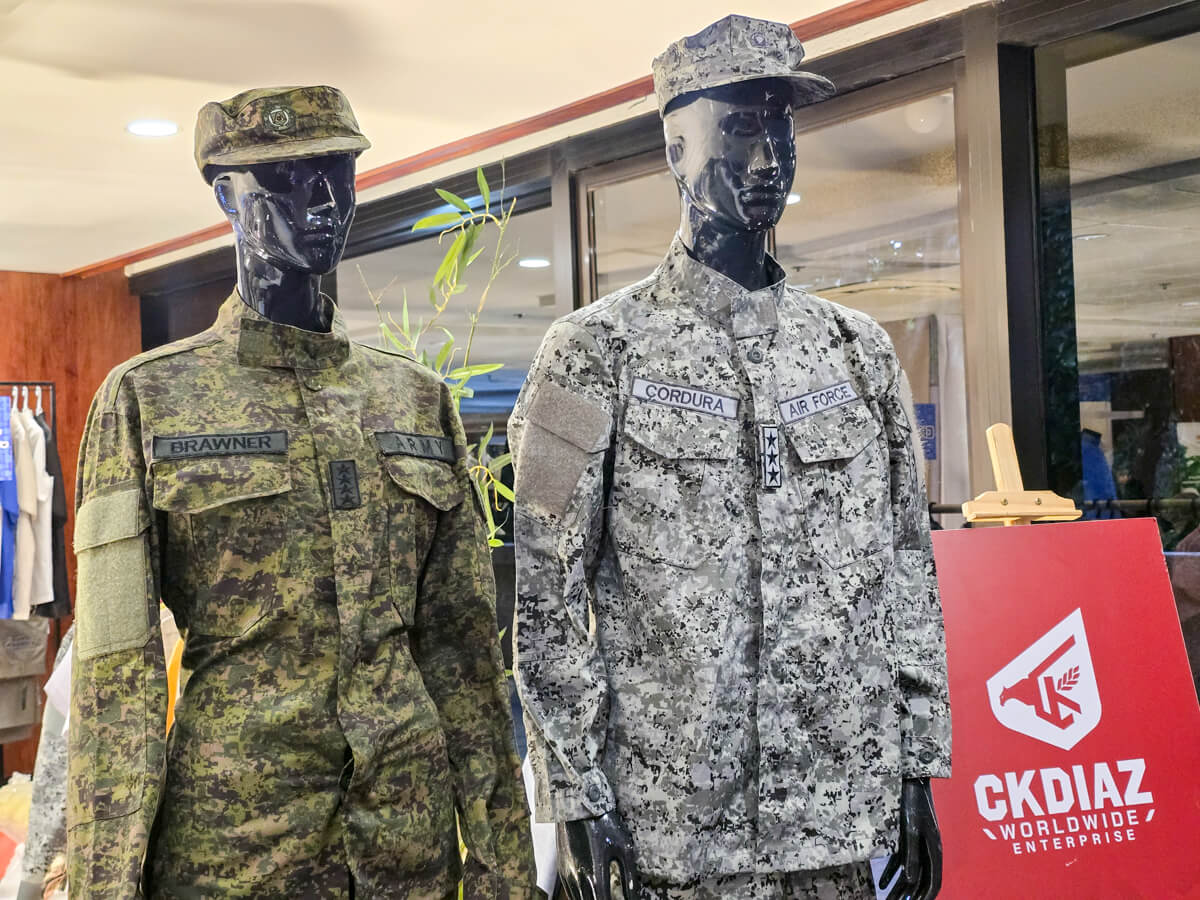
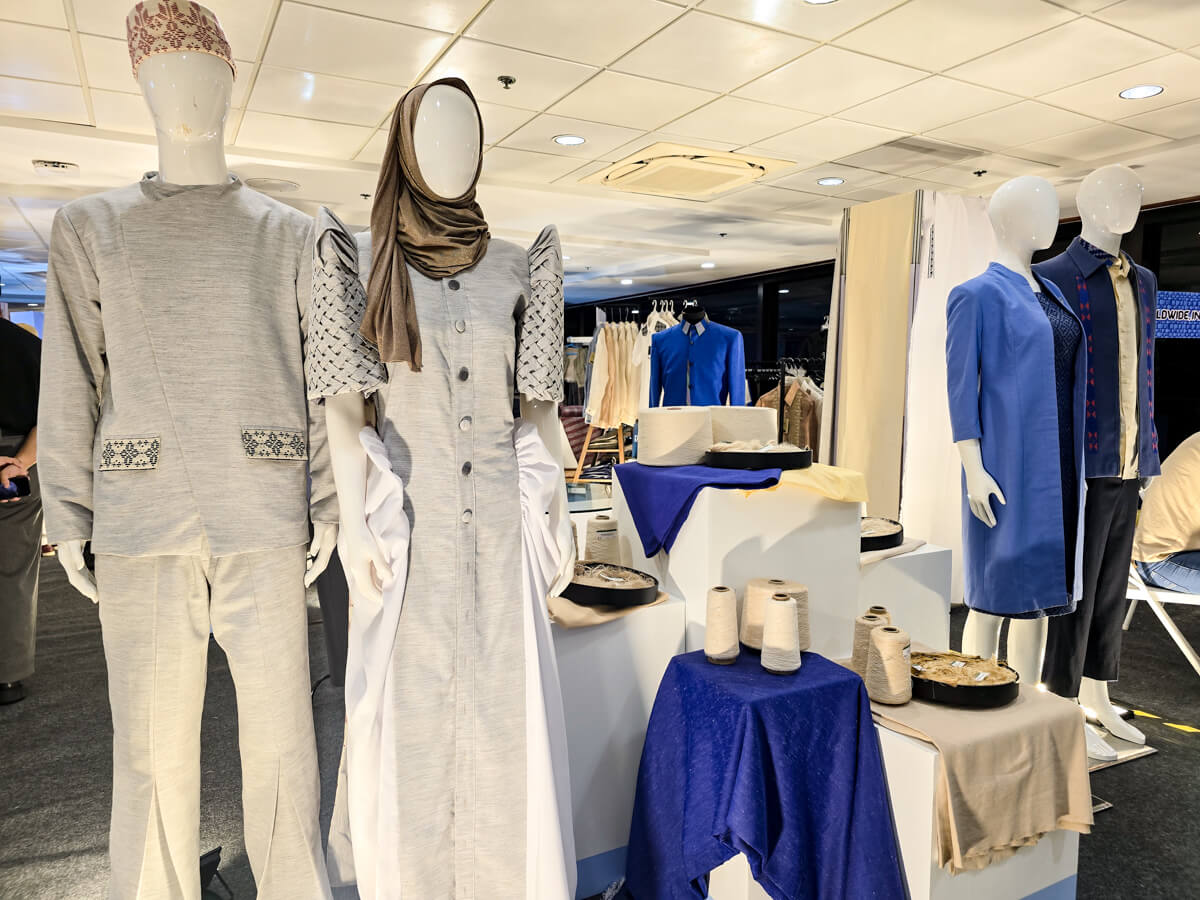
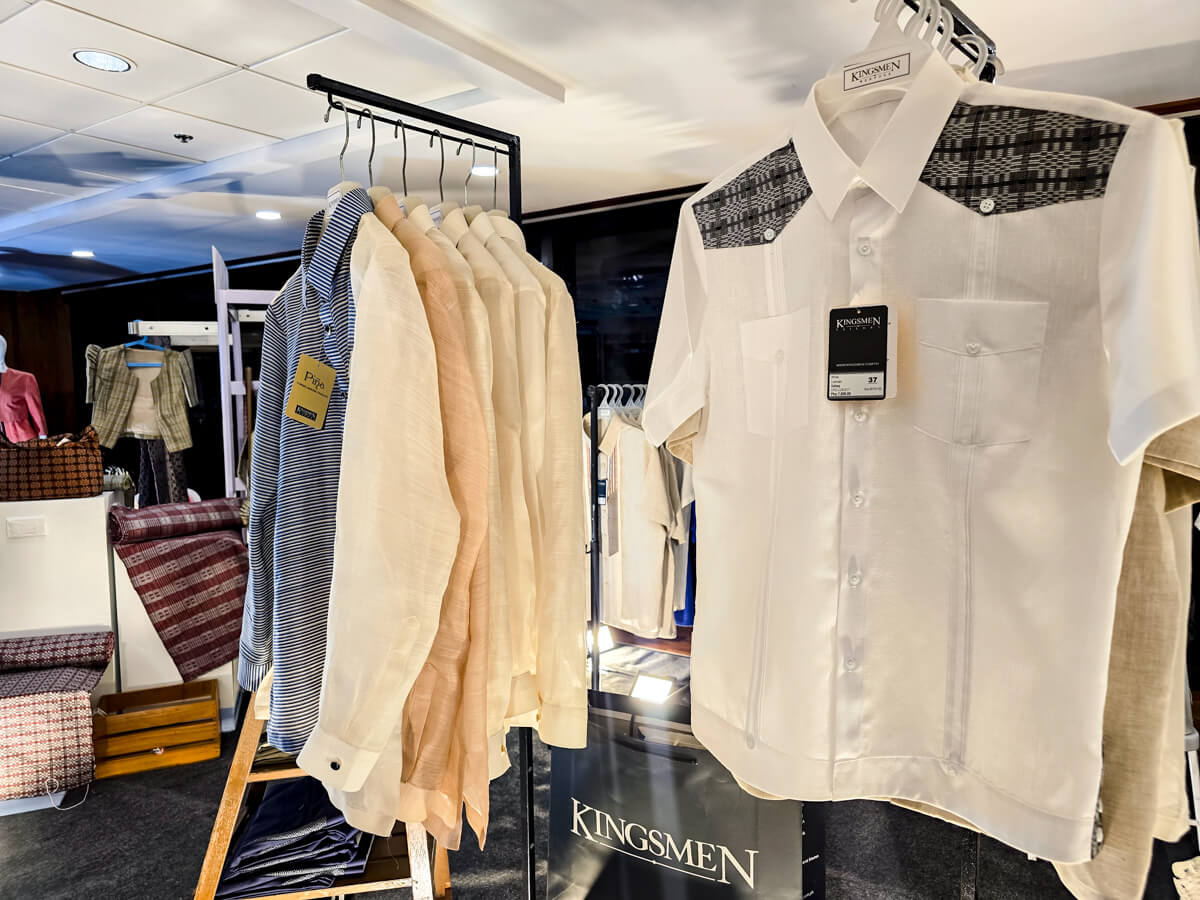
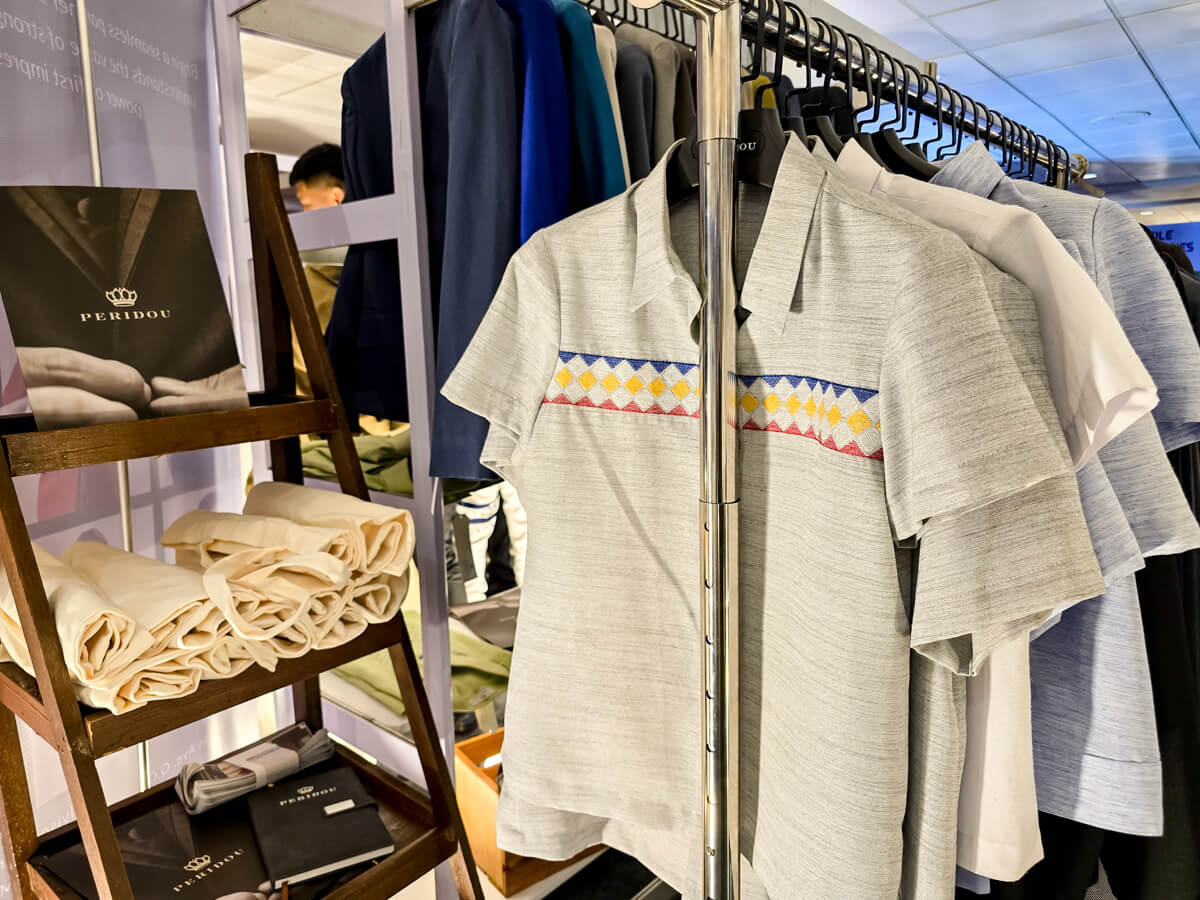
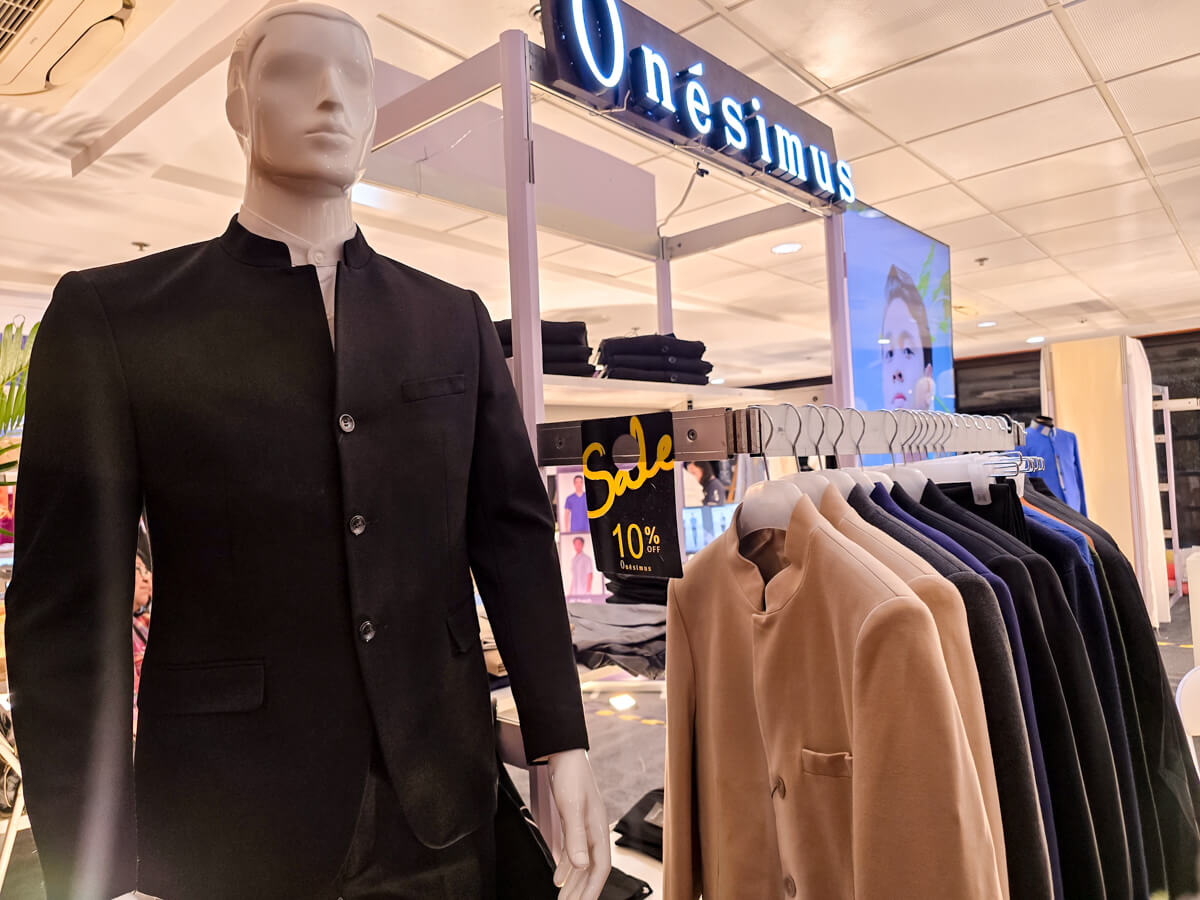
This vision was translated into concrete action through the KatHABI Textile Innovation Exposition, which showcased new textile products and fabrics developed from natural fibers using locally developed technologies. The exposition gathered weavers, uniform makers, textile and garment manufacturers, shoemakers, and embroiderers from across the country. Attendees were able to explore high-quality locally made products while gaining professional insights directly from industry experts.
Following the opening program, a press conference discussed the roadmap for modernizing the textile industry. During this briefing, DOST-PTRI reaffirmed the government’s commitment to promoting the use of Philippine Tropical Fabrics across both public and private sectors. Key discussions highlighted how local textiles align with national priorities such as sustainability, cultural preservation, and inclusive economic development, while strengthening livelihoods for Filipino weavers, manufacturers, designers, and innovators.
Speakers also emphasized the growing role of Philippine Tropical Fabrics in climate action through circular economy practices, responsible production, and upcycling. These efforts position local textiles as both cultural assets and practical solutions to modern environmental challenges, reinforcing their relevance beyond traditional uses.
Focus on People, Livelihoods, Culture, and Security
The second day of TELACon 2026 shifted the spotlight to the people and communities behind the Telang Pinoy industry. The program opened with discussions on human capacity development, exploring how schools, universities, and technical-vocational institutions can collaborate more closely to prepare the next generation of textile professionals. These conversations also contributed to shaping the Philippine Skills Framework for Textiles and Wearables.
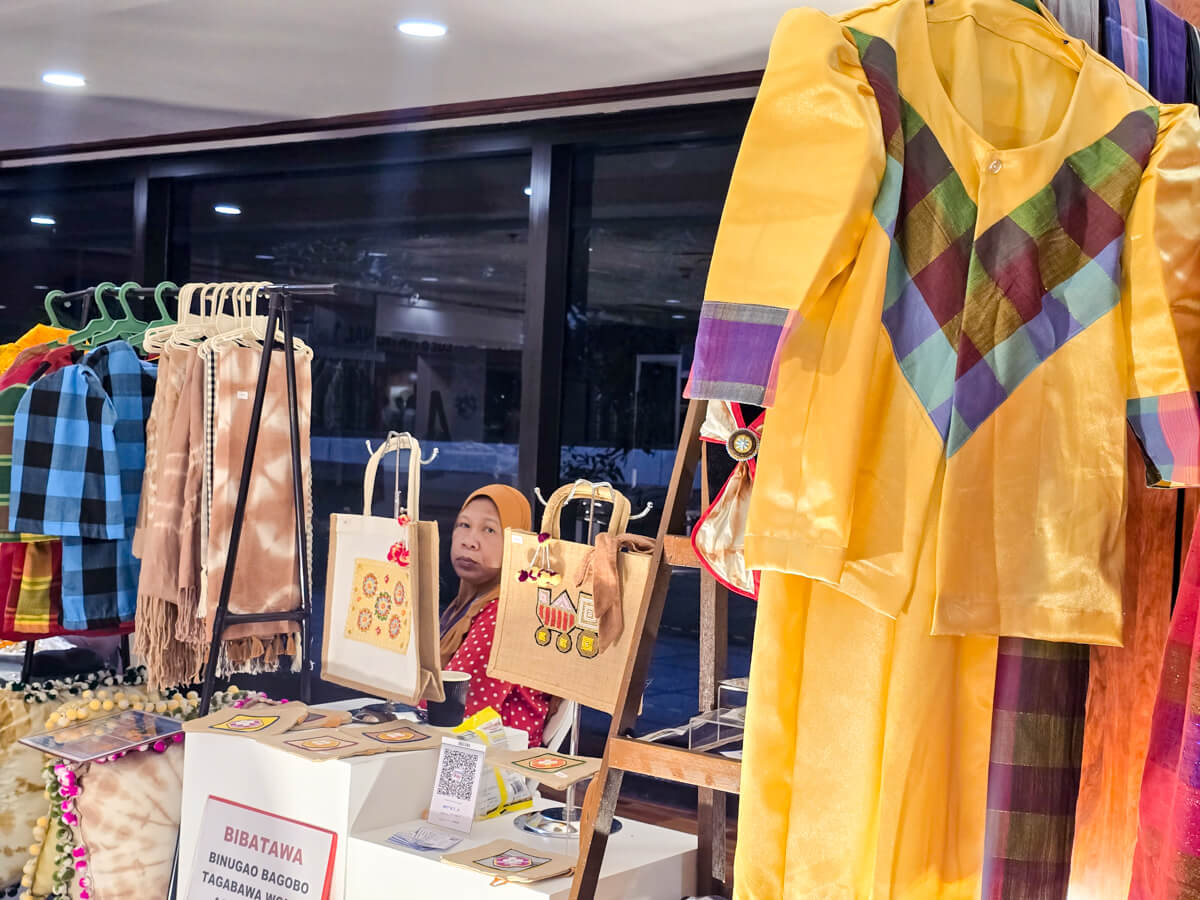
The dialogue then moved toward sustainable livelihood development, positioning textiles as a pathway to entrepreneurship, regional growth, and more inclusive economic opportunities. Particular emphasis was placed on communities rooted in traditional production and craft, highlighting how innovation and market access can uplift local livelihoods.
In the afternoon, attention turned to cultural property protection. Sessions examined how indigenous weaves can be protected, respected, and fairly utilized amid increasing global interest. This was followed by discussions on human security and defense, which highlighted locally developed textile innovations used in protective gear, medical applications, and public safety initiatives.
The day concluded with a Regional Textile Innovation Stakeholders Meeting that brought together partners from across the country. The meeting provided a platform to exchange insights, align priorities, and strengthen collaboration in support of a more resilient and future-ready textile sector.

Expanding Markets and Showcasing Innovation
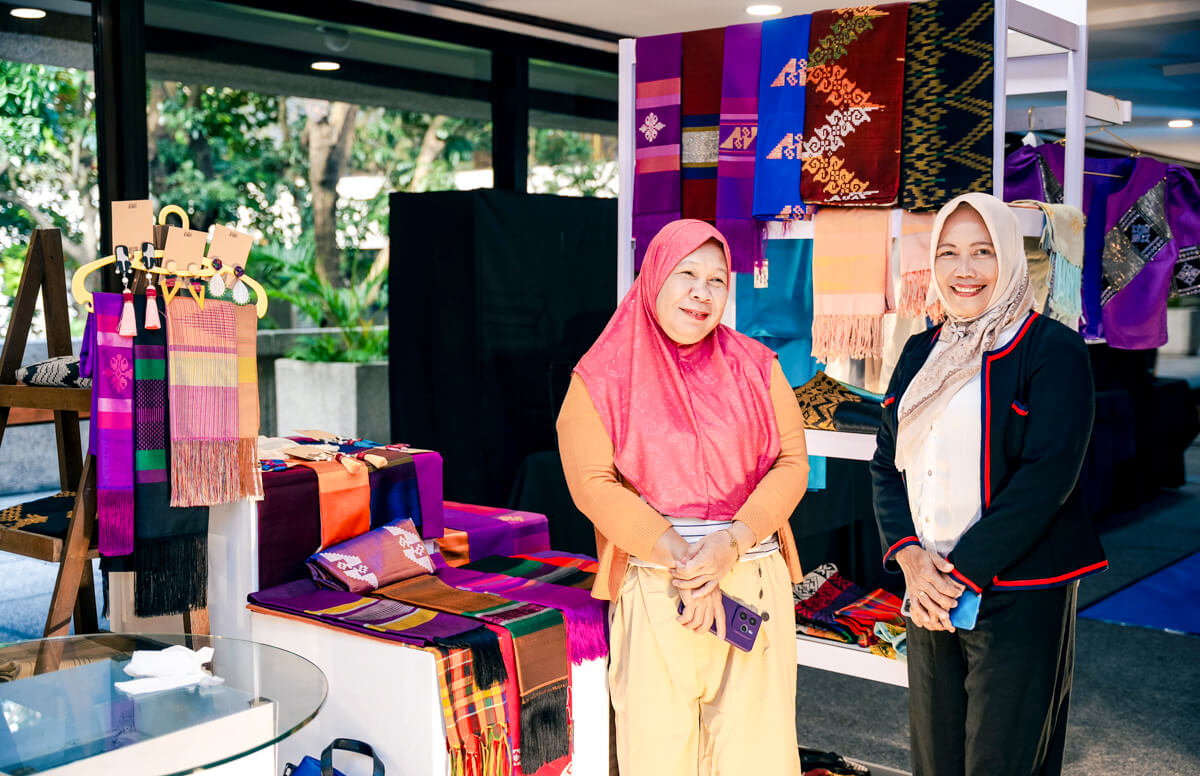
The final day of the convention looked outward, focusing on expanding markets and applications for Philippine Tropical Fabrics. Industry leaders, designers, manufacturers, and policymakers explored how locally sourced fibers can move beyond their traditional role in government uniforms and into everyday fashion, lifestyle products, and technical applications.
The program culminated in the KatHABI Textile Innovation Fashion Show, where reimagined government and office wear were presented alongside contemporary designs rooted in Filipino heritage and craftsmanship. The event also marked the launch of the DOST-PTRI Diamond Anniversary, celebrating decades of research, service, and innovation dedicated to strengthening the Philippine textile industry.
As TELACon 2026 unfolds, the convention continues to serve as a vital platform for dialogue, collaboration, and innovation. It brings together policy, people, culture, and technology to help shape a sustainable and inclusive future for Telang Pinoy. The event reaffirms the government’s commitment to promoting Philippine Tropical Fabrics while supporting Filipino weavers, manufacturers, designers, and innovators.
TELACon 2026 highlights how local textiles contribute to national goals, including sustainability, cultural preservation, and inclusive economic development, while positioning the Philippine textile sector for continued relevance in both local and global markets.
For more information about TELACon 2026, visit https://www.ptri.dost.gov.ph and https://www.facebook.com/ptri.dost.