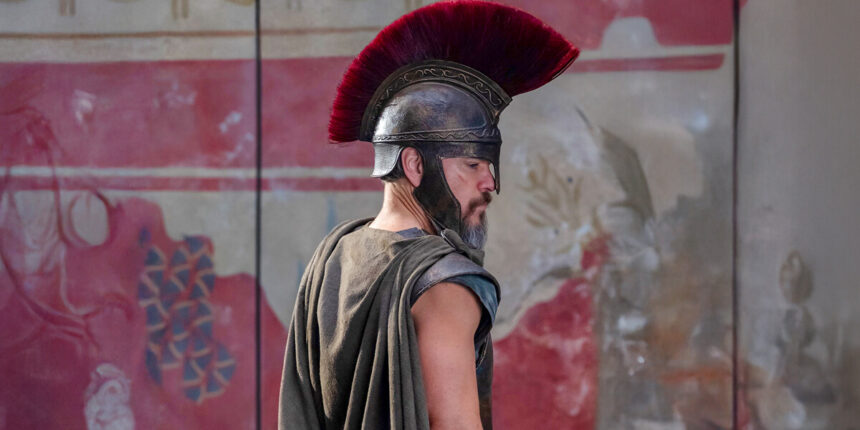
⚠️ Spoiler Alert: This review contains minor spoilers and discussions about key elements of Christopher Nolan’s The Odyssey. Readers who wish to experience the film without prior details are encouraged to watch the movie first before continuing.
We were invited by SM Cinemas to attend the exclusive premiere screening of The Odyssey, giving us the opportunity to experience Christopher Nolan’s highly anticipated epic the way it was meant to be seen in IMAX before its nationwide release.
Christopher Nolan has never been afraid to take on ambitious stories, and The Odyssey may be his most daring yet. Reimagining Homer’s legendary epic for the big screen, the Academy Award-winning filmmaker delivers a visually ambitious adventure backed by one of the most impressive ensemble casts of the year.
Long before audiences had the chance to watch the finished film, however, The Odyssey was already one of the most talked-about movies of 2026. From its massive scale and IMAX filmmaking approach to its star-studded cast and several casting discussions online, the film generated plenty of conversation even before viewers had seen a single scene.
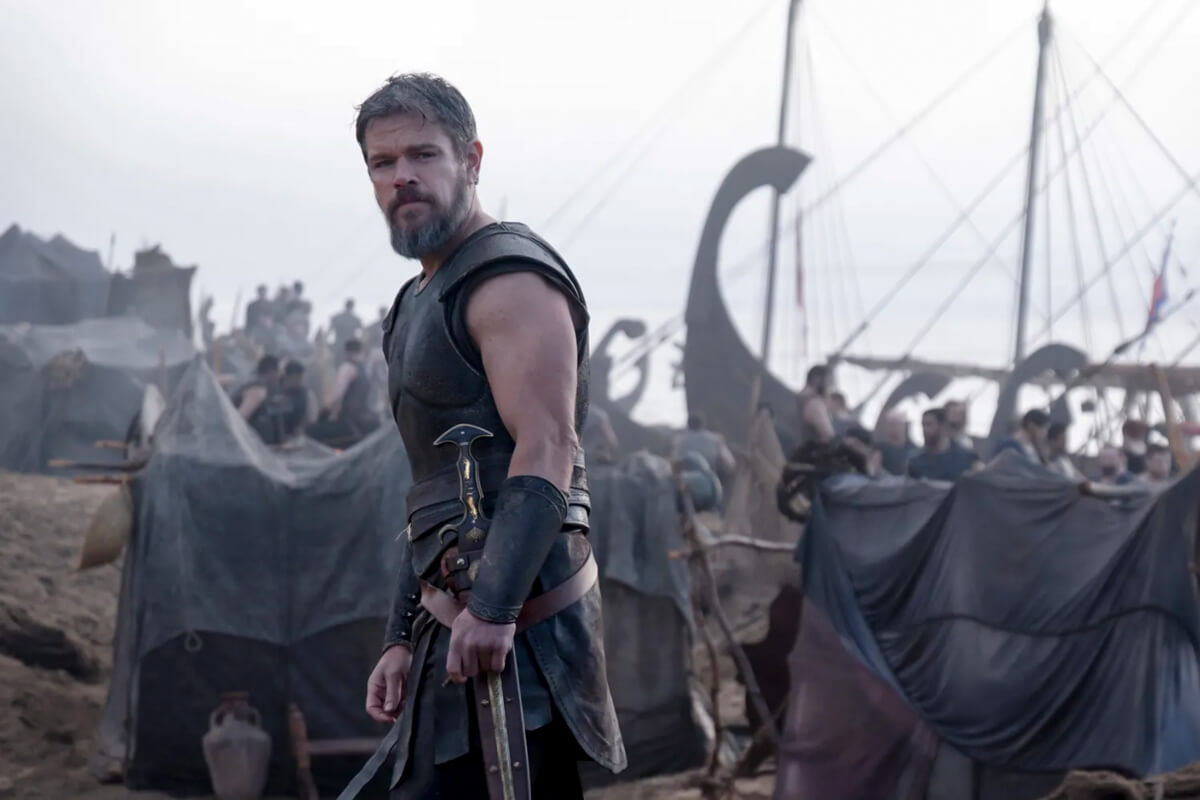
Like many moviegoers following those discussions, we found ourselves intrigued by the film. We also have to admit that some of the casting conversations made us curious about how Nolan would bring these legendary characters to life. Discussions surrounding Elliot Page’s casting as Achilles and Lupita Nyong’o’s portrayal of Helen of Troy became major talking points online, with many opinions being formed before audiences had the opportunity to experience the finished movie.
Rather than making us lose interest, those conversations only made us more curious. Could Nolan successfully reinterpret one of literature’s greatest stories while creating an experience that would satisfy both longtime fans of the epic and new audiences discovering it for the first time?
After watching The Odyssey, one thing became clear: the film deserves to be judged by what appears on screen, not by the conversations that surrounded it before release.
Story and Direction
Christopher Nolan’s interpretation of The Odyssey is not simply a traditional retelling of Homer’s epic poem. Instead, the filmmaker approaches the legendary story through his own cinematic perspective, focusing not only on the mythology and spectacle but also on the human emotions that have allowed the story to remain relevant for generations.
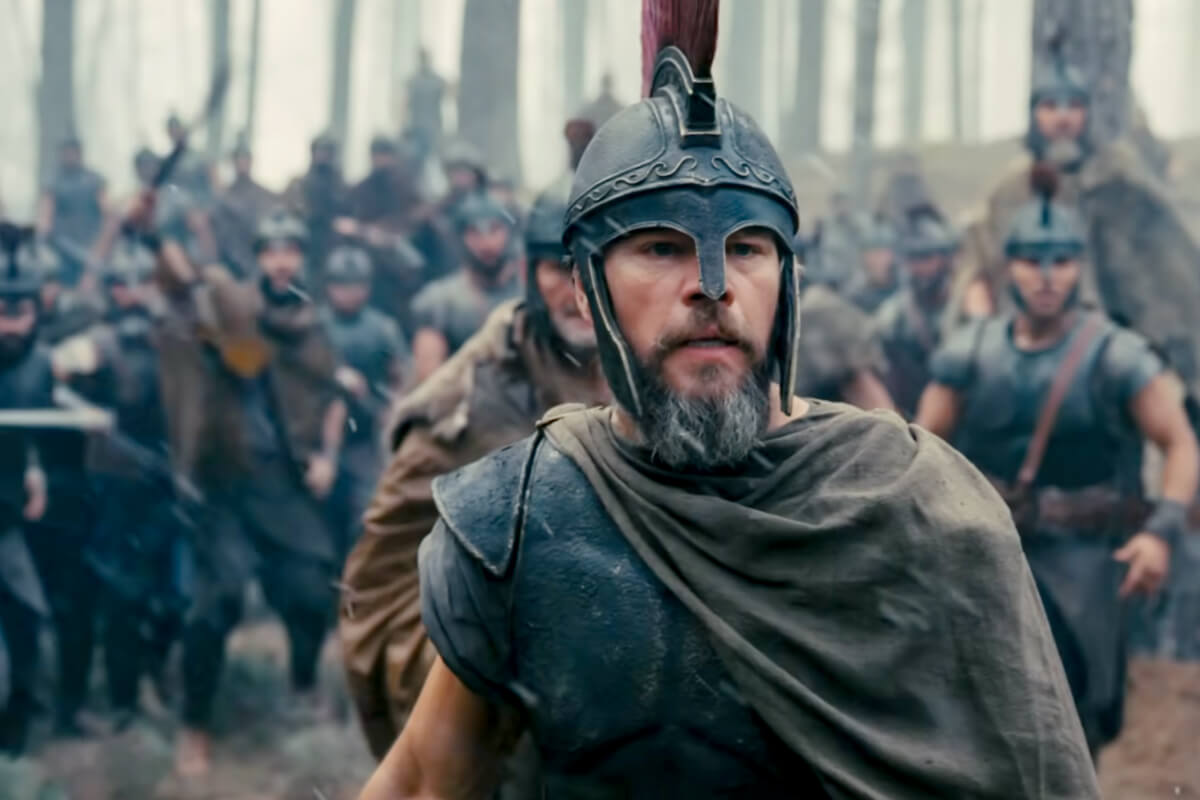
The film follows Odysseus, portrayed by Matt Damon, on his difficult journey home after the Trojan War. Rather than presenting him as a typical action hero, Nolan highlights the qualities that have made Odysseus one of mythology’s most enduring figures: intelligence, resilience, and the ability to overcome impossible challenges through strategy and determination.
What makes this approach work is how grounded the film feels despite its enormous scale. Beneath the mythical creatures, breathtaking visuals, and larger-than-life encounters is a deeply human story about perseverance, family, sacrifice, and the emotional cost of being separated from the people you love.
While some viewers may expect a more familiar adaptation of Homer’s work, Nolan’s version feels less like a recreation and more like a filmmaker placing his own creative identity on a story that has inspired audiences for centuries.
The result is a film that respects the foundation of the original epic while embracing a bold cinematic vision. Instead of simply bringing an ancient legend back to life, The Odyssey transforms it into an experience that feels both timeless and uniquely Nolan.
Cast and Performances
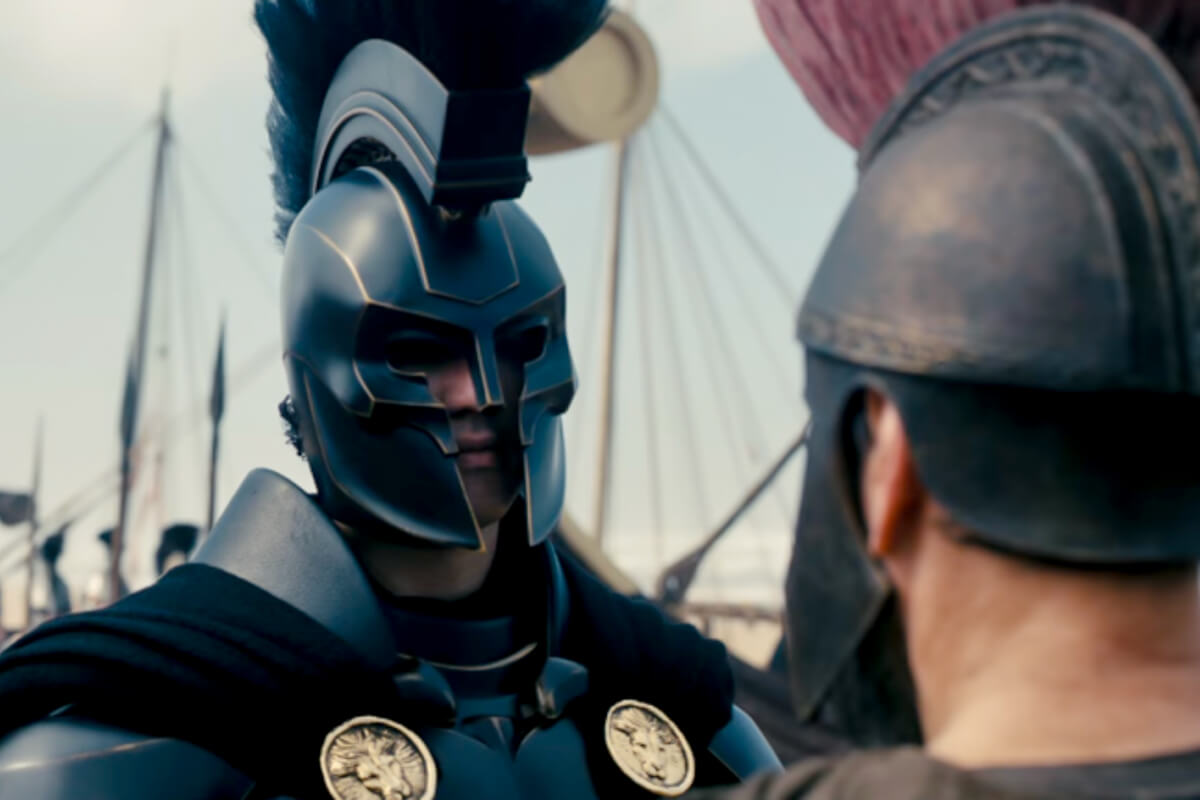
One of the biggest conversations surrounding The Odyssey before release was its ensemble cast. With so many recognizable names taking on roles from one of literature’s most famous epics, expectations were naturally high, while some casting decisions became the center of online debates.
After watching the movie, however, it becomes clear that the performances are what ultimately define the experience.
Leading the cast is Matt Damon as Odysseus, delivering a performance that brings depth and humanity to the legendary Greek hero. Instead of portraying Odysseus as simply a powerful warrior, Damon captures the emotional exhaustion, determination, and resilience of a man carrying the weight of an extraordinary journey. His performance highlights that Odysseus’ greatest strength is not just his ability to survive, but his intelligence, adaptability, and determination when faced with impossible challenges.
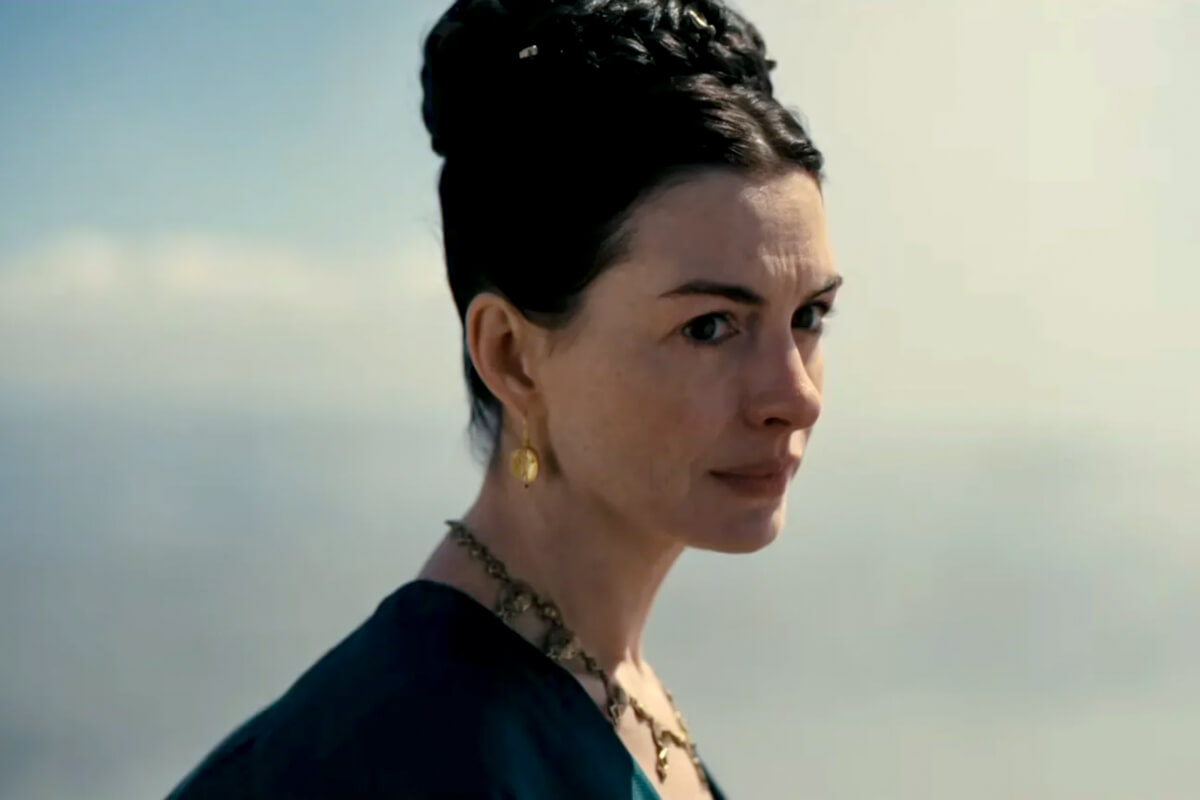
Anne Hathaway as Penelope, Odysseus’ devoted wife, brings emotional strength and quiet determination to the film. Hathaway portrays Penelope as more than a character waiting for her husband’s return, giving her a sense of resilience, patience, and inner strength that makes her an important emotional anchor throughout the story.
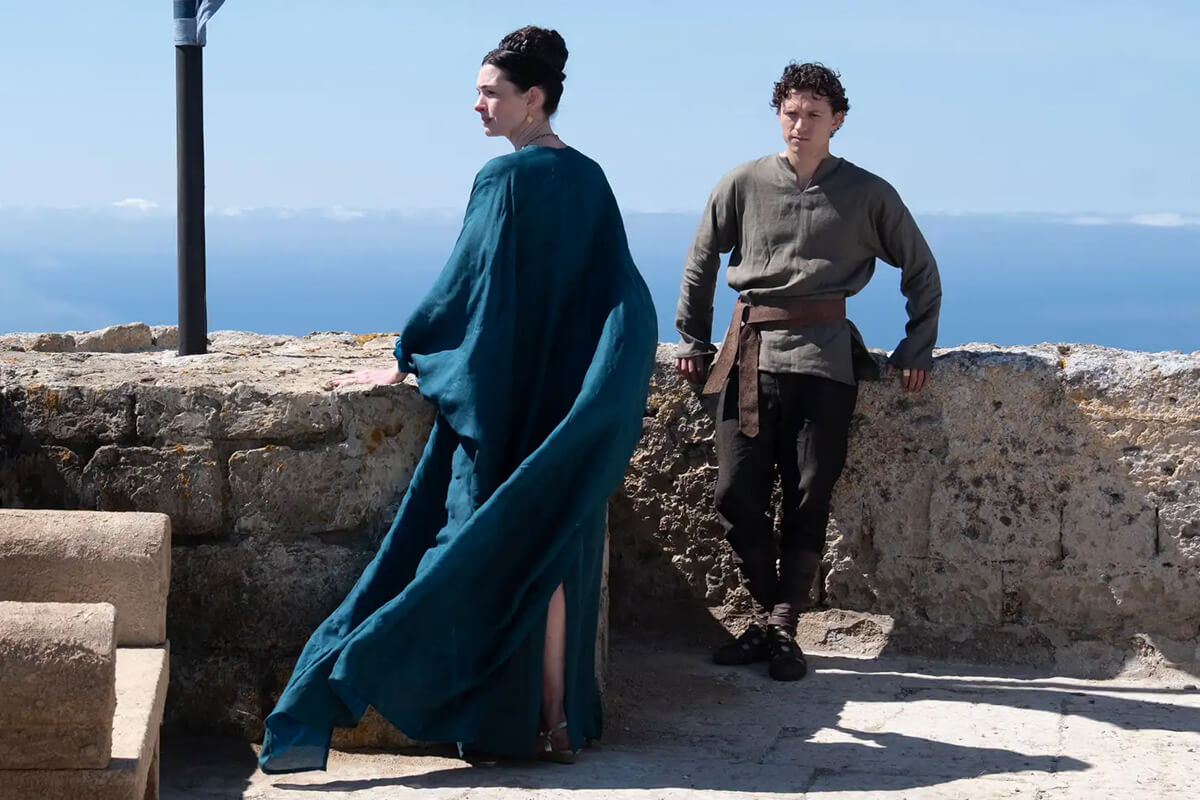
Tom Holland as Telemachus, the son of Odysseus and Penelope, delivers a performance centered on growth and maturity. Holland captures the challenges of a young man forced to navigate uncertainty while carrying the legacy of his father. His performance adds another emotional perspective to Odysseus’ journey and the impact of his long absence.
Zendaya as Athena, the goddess of wisdom and strategic warfare, brings a commanding presence to the role. With a calm confidence and powerful screen presence, Zendaya gives Athena a sense of authority that feels fitting for a character who guides and influences the events surrounding Odysseus.
However, one of the biggest standouts of the entire cast is Robert Pattinson as Antinous, one of the film’s most memorable antagonistic figures.
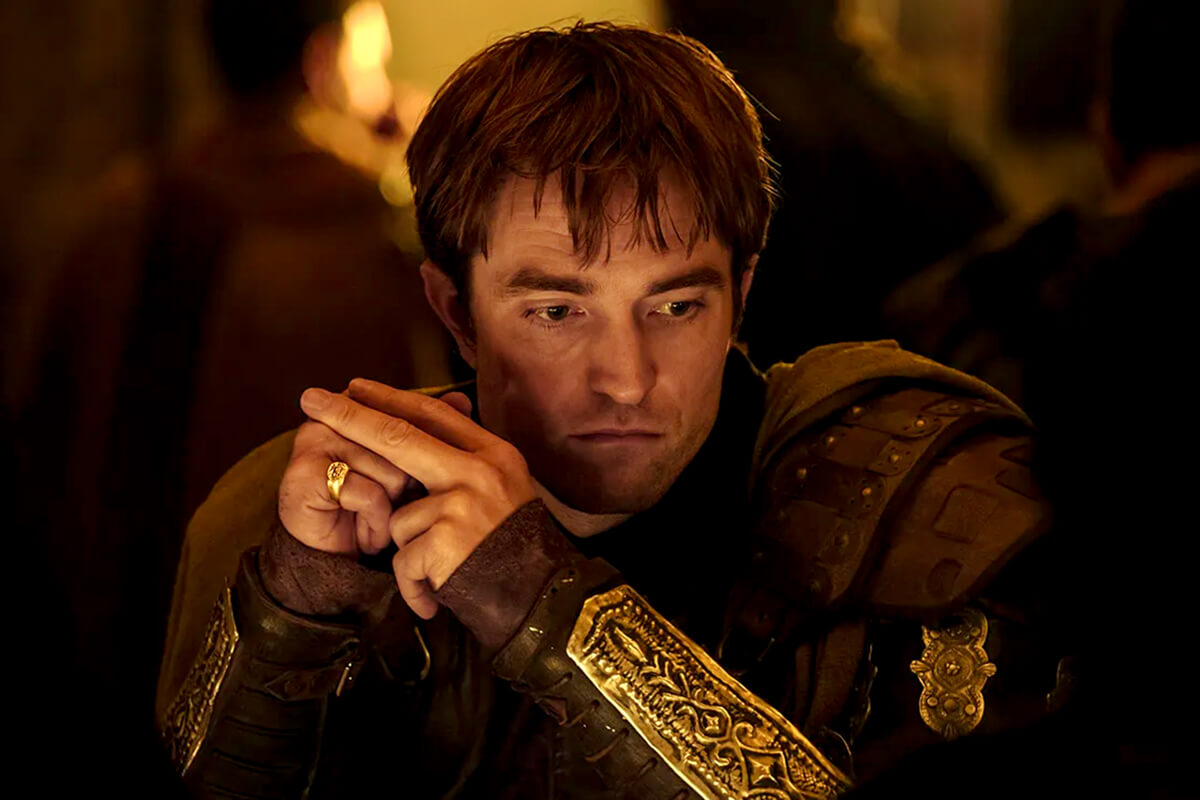
Pattinson completely embraces the darker qualities of the character, creating a performance that is both entertaining and unsettling. Rather than playing Antinous as a simple villain, he brings a unique energy to the role, combining charm, arrogance, and menace. His unpredictable presence makes every scene more engaging, and he quickly becomes one of the film’s most captivating performances.
Lupita Nyong’o as Helen of Troy and Clytemnestra delivers one of the most discussed performances in the film. Despite the conversations surrounding her casting before release, Nyong’o proves that the focus should ultimately be on the performance itself. She brings intensity and individuality to each role, demonstrating the range that has made her one of the most respected performers of her generation.
The supporting cast also adds significant weight to the film’s impressive ensemble. Charlize Theron as Calypso brings mystery and emotional complexity to her character, while Samantha Morton as Circe embraces the darker and more mysterious elements of Greek mythology.
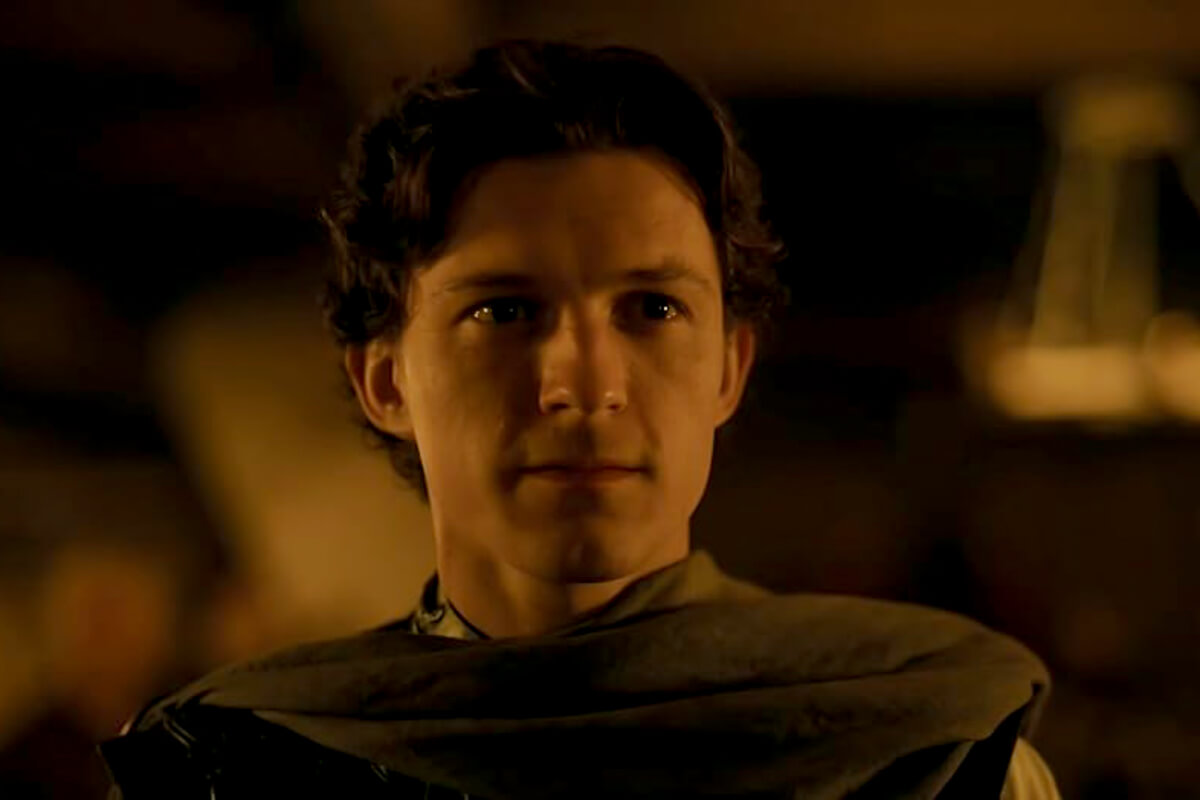
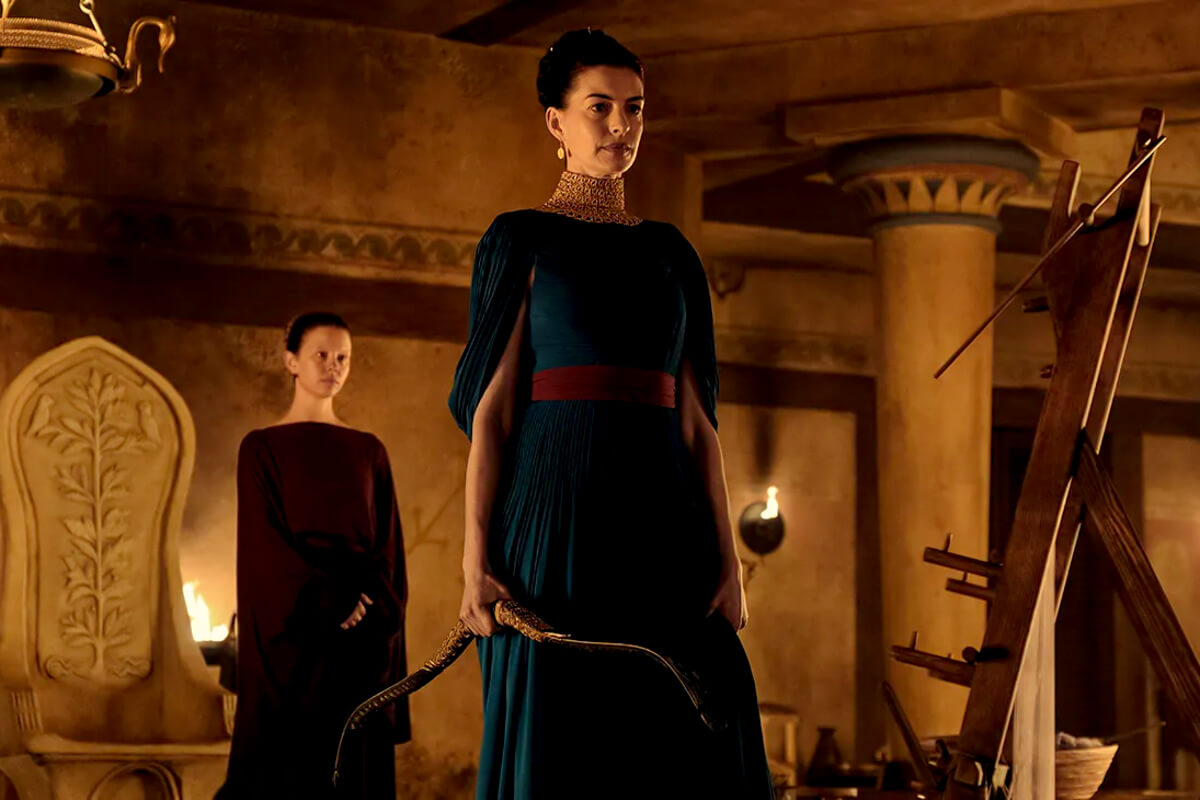
Looking back at the conversations that surrounded the film before release, it is interesting how quickly those debates fade once the performances take center stage. The finished movie serves as a reminder that casting decisions should ultimately be judged by what audiences experience on screen.
In the case of The Odyssey, the ensemble cast successfully transforms familiar legendary figures into characters that feel emotionally engaging, memorable, and worthy of Nolan’s ambitious interpretation.
Visuals and Sound
One of the biggest strengths of The Odyssey is its incredible scale and cinematic presentation. Christopher Nolan once again proves his commitment to theatrical filmmaking, creating a film that is best experienced on the biggest screen possible.
The movie’s IMAX presentation is one of its greatest achievements. The sweeping landscapes, massive environments, and breathtaking visuals make Odysseus’ journey feel truly epic, while the use of real locations and practical filmmaking techniques gives the world a sense of authenticity.
The film’s approach to its mythical creatures is where Nolan’s filmmaking style truly shines. The Cyclops sequence, in particular, feels less like a traditional fantasy adventure and more like a terrifying, claustrophobic horror experience. Instead of feeling like a purely digital creation, the creature has a physical presence that makes the encounter feel more intense and believable.
Watching the scene on a massive IMAX screen makes the scale of the creature even more impressive, while the incredible sound design adds another layer of fear. The deep breathing of the Cyclops, its heavy footsteps, and the surrounding atmosphere create a sense of dread that pulls audiences directly into the moment.
The same attention to detail can be felt throughout the film’s other mythical encounters, including the haunting Sirens and the terrifying six-headed sea monster Scylla. Each creature feels like more than just a visual spectacle, with the sound design and filmmaking techniques helping make these moments unforgettable.
What makes the technical achievements of The Odyssey impressive is that the spectacle always serves the story. The visuals, practical elements, and sound design are not simply there to showcase technology. They help audiences feel the danger, scale, and emotional weight of Odysseus’ journey.
This is exactly the kind of film that benefits from being experienced in IMAX, where the combination of stunning visuals and powerful sound design allows audiences to fully appreciate Nolan’s ambitious vision.
Final Verdict
Going into The Odyssey, we have to admit that the conversations surrounding the movie’s casting made us curious about whether Christopher Nolan’s ambitious interpretation would work. Like many people following the discussions online, we had questions about some of the choices before experiencing the movie.
After watching the movie, however, it is safe to say that judging The Odyssey based only on its casting conversations would have been a mistake.
The movie proves that what matters most is what appears on screen. The performances, Nolan’s direction, the breathtaking visuals, and the emotional weight behind the story all come together to create an epic that feels both grand and deeply personal.
Beyond the massive battles and mythical creatures, one of the movie’s most touching moments comes through Argos, Odysseus’ loyal dog. His journey from a playful companion before the war to an old dog still waiting for his master adds a surprisingly emotional layer to the story. The moment between Argos and Odysseus serves as a reminder that beneath the scale of the mythology is a simple and powerful story about loyalty, love, and the hope of returning home.
That emotional connection is what makes The Odyssey stand out. It is not only a showcase of Christopher Nolan’s filmmaking ambition but also a story that understands the human emotions behind the legend.
We can confidently say that The Odyssey is one of the standout movies of 2026 so far and easily one of the biggest cinematic experiences of the year. What initially made us skeptical became one of the reasons we appreciated the movie even more. It reminded us that movies should ultimately be judged by the experience they deliver, not by the conversations surrounding them before release.
The Odyssey is now showing nationwide in SM Cinemas. For audiences looking to experience the full scale of Nolan’s vision, we highly recommend watching it in IMAX, where the movie’s stunning visuals, powerful sound design, and epic scope can truly be appreciated.