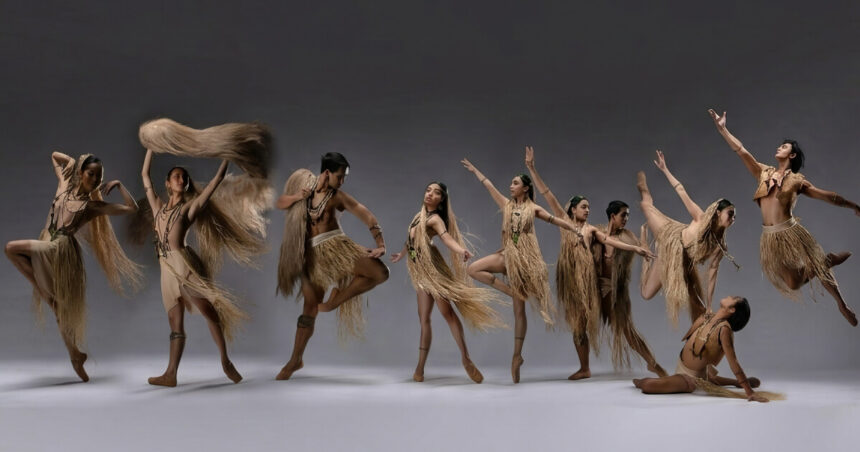
Ballet Philippines (BP) continues to move beyond traditional repertoire and explore new artistic directions with its latest production, “PAGLALAKBAY: The Journey of the Sea People.” The full-length original Filipino ballet celebrates heritage while signaling the company’s commitment to championing local narratives on the classical stage.
The world premiere gala takes place on April 10, followed by four additional performances from April 11 to 12, 2026, at the Theatre at Solaire.
Choreographed by BP Artistic Director Mikhail Martynyuk, with a libretto by Sheree Chua, the ballet draws inspiration from the Austronesian Migration. It tells the story of the Sea People and their epic paglalakbay (journey) toward their ancestral homeland in Batanes, the northernmost islands of the Philippines.
The musical score was composed by Ronald Vincenzo Khaw de Leon, an emerging young Filipino global talent who blended the traditional beats of the Kalusan with the rhythmic foundations of classical ballet.

The production explores migration as both a physical and emotional journey. Movement serves as the central theme of the ballet. It represents migration that shaped the islands, the physical grace of dance, and the emotional transformation experienced by new audiences discovering ballet for the first time.
“Migration is often framed as displacement, but my mother showed me that movement can also be expansion, a widening of self without losing origin. In her life, I witnessed resilience, adaptability, and a deep, unshakeable sense of identity. Those same qualities underpin the Austronesian Migration story that informs this work,” says Sheree Chua, librettist of the ballet. “My mother is the emotional architecture of the piece. Through her, I understood that heritage is not static it breathes, shifts, evolves yet remains anchored in something internal and enduring. This ballet becomes both historical and intimate: a large-scale narrative of seafaring peoples, and a personal tribute to the woman who first taught me how to move through the world.”
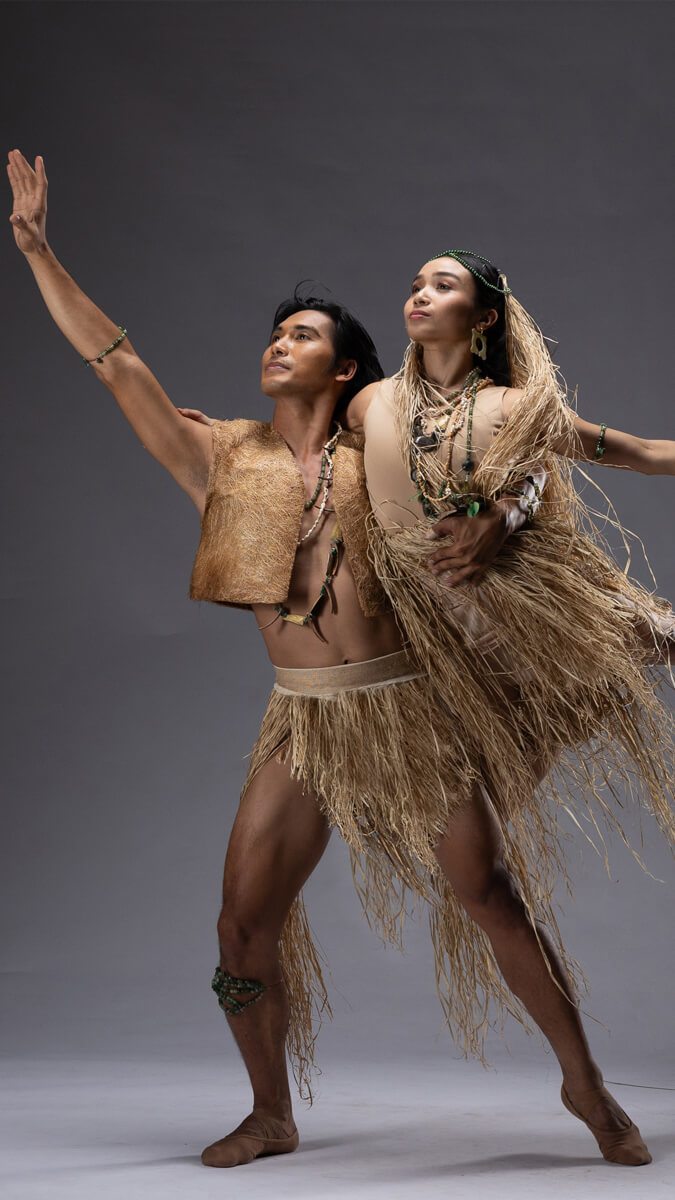
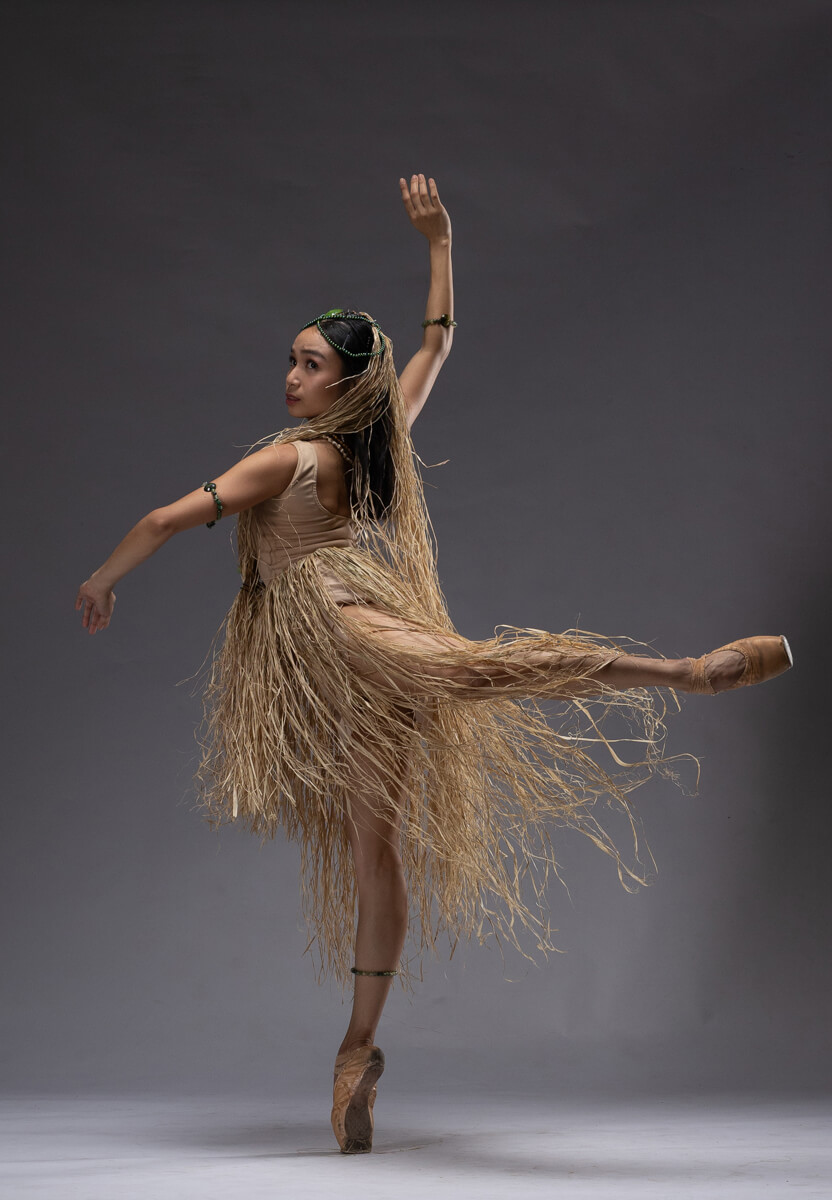
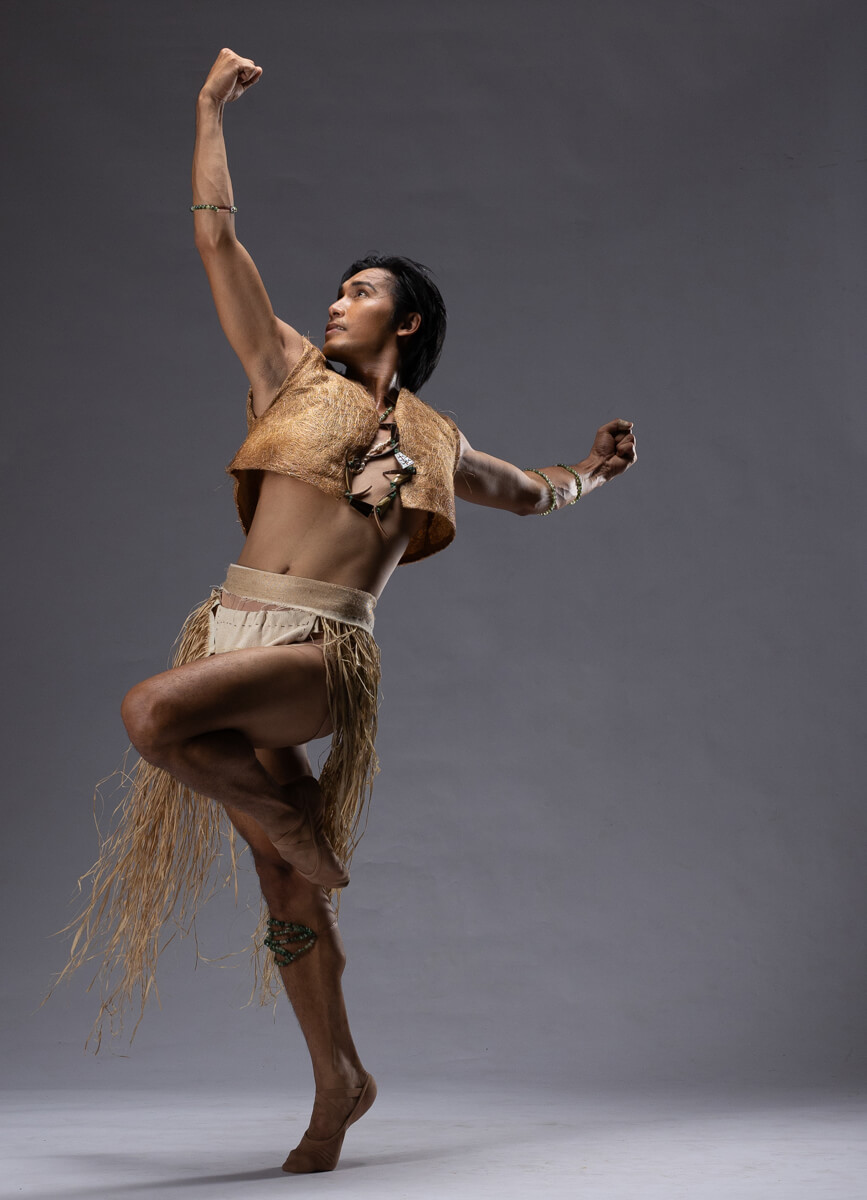
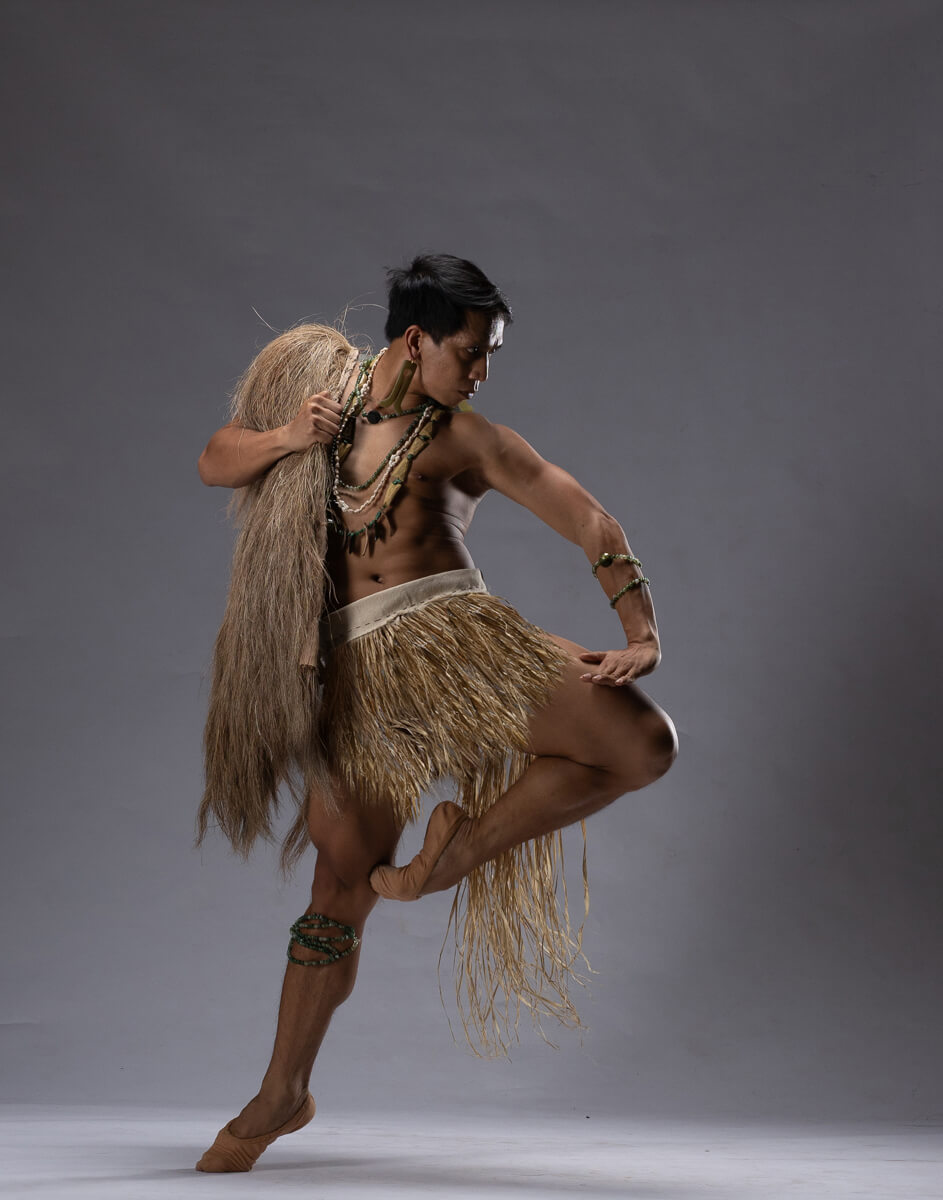
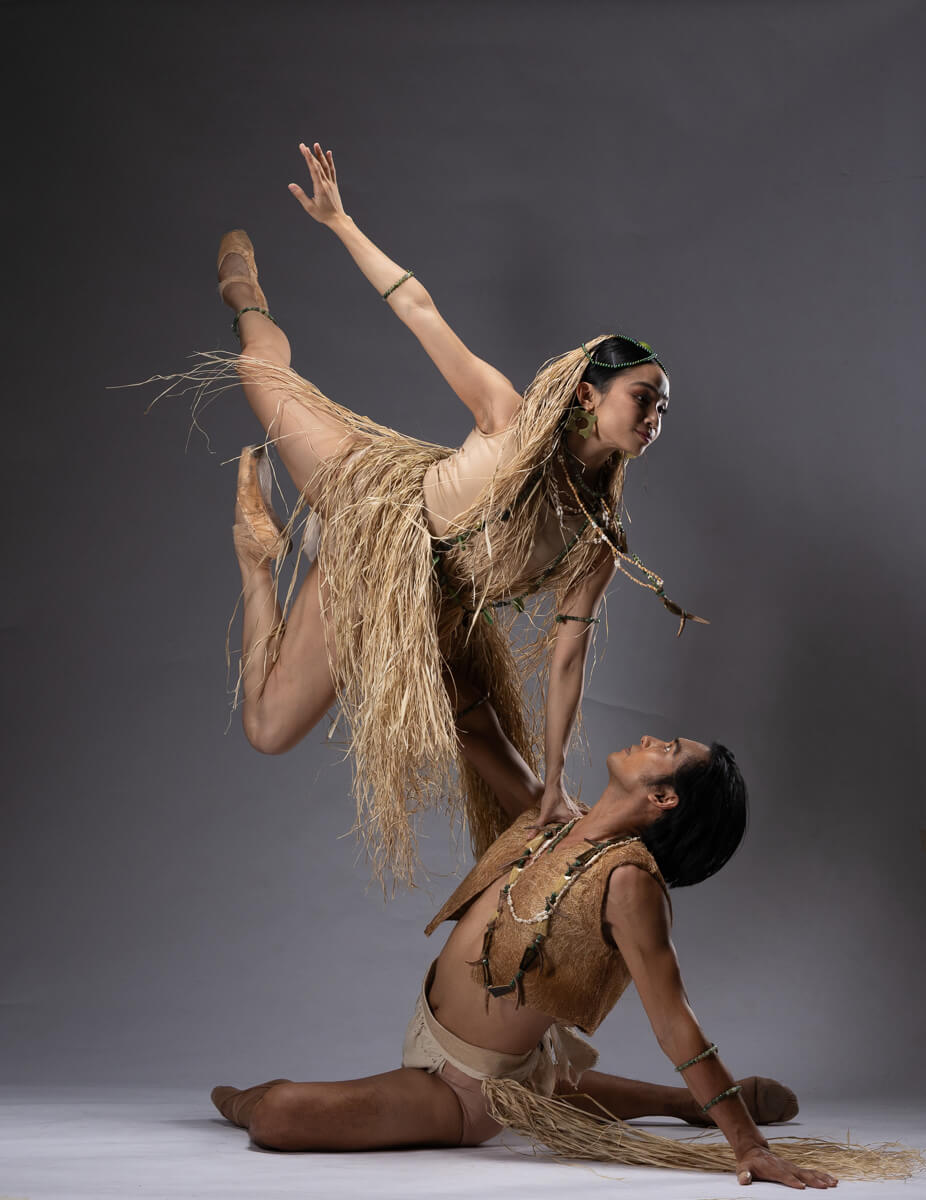
Choreography Inspired by Nature and the Sea People’s Journey
While classical ballet technique forms the structural foundation of the production, the choreography reflects the history and lived experience of the Sea People and the Austronesian Migration.
“I rely on vertical alignment, purity of line, variation in form pas de deux, ensemble, and solo work. However, academic technique is a form, not a style,” says Mikhail Martynyuk, Artistic Director. “Batanes is wind, rocks, and ocean. As the scenery changes, the quality of movement changes as well. In ‘PAGLALAKBAY’, choreographic language becomes the main narrator: A low center of gravity, steady in the wind; steps are wide and grounded, moving against resistance; the body tilts forward, always in dialogue with the elements; the hands are not decorative, but functional, like a sailor’s. All of this makes the choreography more complex, yet at the same time, clear and accessible to the audience.”
The choreography reflects the environment of Batanes and the challenges faced by the Sea People during their journey. Through carefully designed movements, the ballet captures the forces of nature such as wind, ocean, and rocky landscapes while maintaining the discipline and structure of classical ballet.
Production Design Inspired by the Landscape of Batanes
Movement is also reflected in the production design. Filipino contemporary fine artist Leeroy New served as Production Designer for the ballet and sought to recreate the visual energy of Batanes on stage.
“We wanted the stage design to emulate the key visuals and movement of the Batanes landscape waves crashing on the shore, jagged rock beaches, wild winds hitting the grass eroding soil from cliffs,” says Filipino contemporary fine artist Leeroy New, Production Designer of the ballet. “When I visited Batanes with my assistant designer, Arvie Santos, we experienced firsthand the primal energy of the terrain, we heard the language and stories from the locals, and this only further stressed our responsibility to approximate the best we could that experience for our audiences. To share a glimpse of what remains of our early architectures, lifestyles, and crafts.”
Through immersive design elements, the production aims to provide audiences with a deeper connection to the culture, landscapes, and traditions of the Sea People.
Cultural Inspiration Behind the Ballet
“PAGLALAKBAY” was conceived and developed as a direct response to BP’s Ballet Brigade outreach program in Batanes. In May 2024, the Ballet Brigade gathered with more than 200 locals including community officials, elders, and students at Batanes National Science High School. The event involved cultural exchange activities, dance performances, and storytelling sessions that celebrated shared heritage.
The experience demonstrated how dance can connect communities, foster cultural understanding, and inspire new creative works. It also became the key inspiration behind Sheree Chua’s libretto.
“Ending our 56th Season with ‘PAGLALAKBAY’ was a bold investment for the company. It meant the company would spend time on cultural immersion and dialogues with the Sea People’s elders and children,” says Kathleen Liechtenstein, BP President. “It reflects our belief that local indigenous stories deserve the grand scale and artistic rigor of the classical stage. We hope audiences leave with a deeper appreciation of the Sea People’s journey the massive migration of the Austronesian language-speaking people in 3000 BCE and a renewed sense of pride in Filipino identity. Because our stories are epic, resilient, profoundly human, and universally interconnected.”
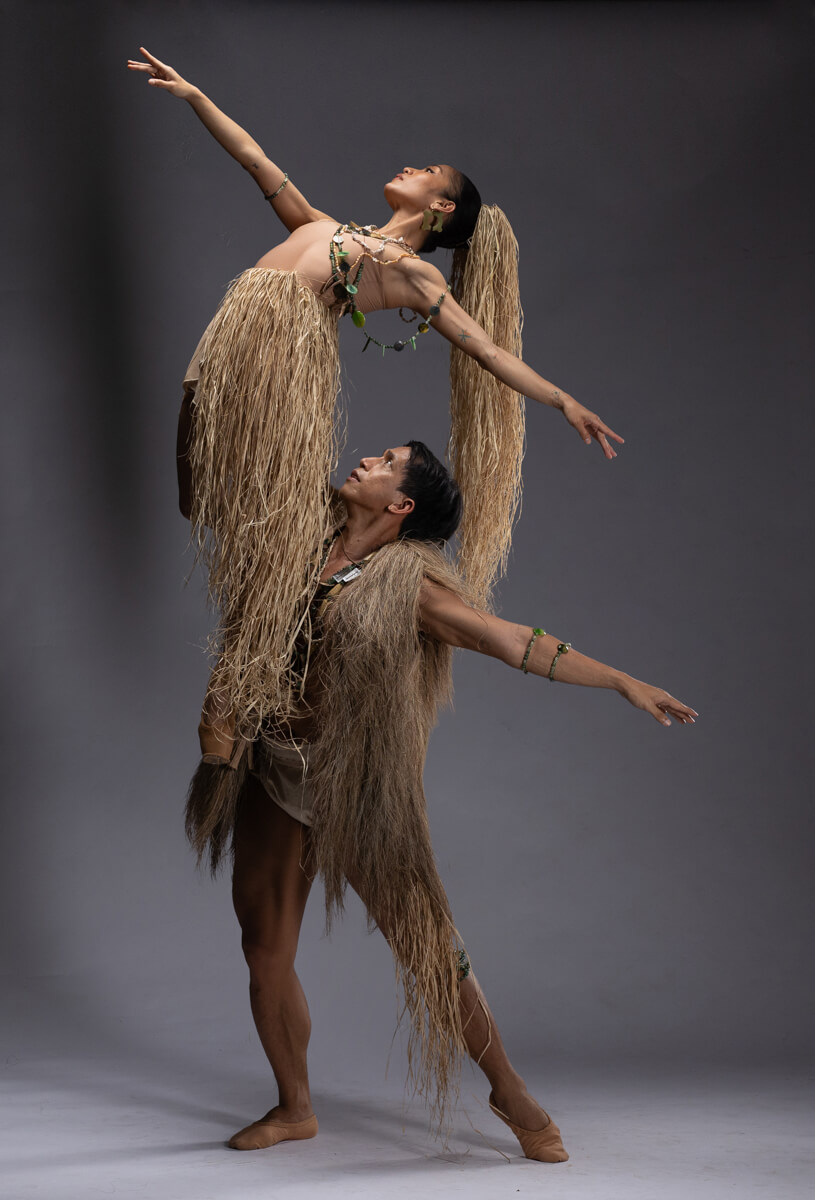
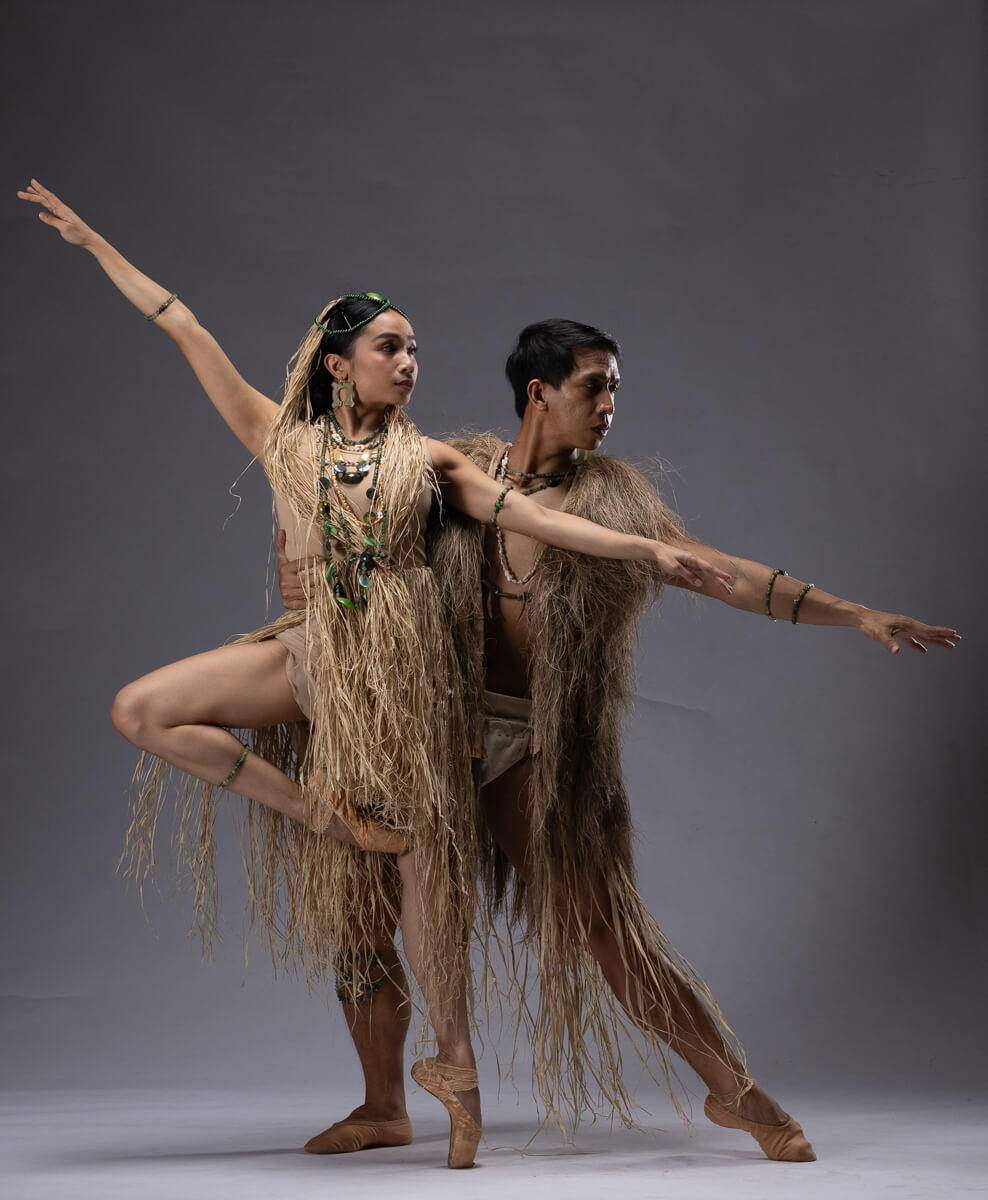
Ballet Philippines Continues Championing Filipino Narratives
“PAGLALAKBAY: The Journey of the Sea People” runs from April 10 to 12, 2026, at the Theatre at Solaire. Tickets are available via TicketWorld, Ballet Philippines’ official website, and the Solaire Box Office.
Ballet Philippines is the country’s leading professional classical and contemporary dance institution and the first resident company of the Cultural Center of the Philippines (CCP). Founded in 1969 alongside the CCP, the organization has played a significant role in shaping contemporary Filipino identity through productions that combine classical discipline with Filipino storytelling.
With a repertoire of more than 400 works, Ballet Philippines continues to bring Filipino narratives to audiences around the world. As a cultural ambassador of the Philippines, the company embodies the theme of its 56th Season, “Our Stage, The World,” highlighting homegrown artistry while engaging global audiences.