For many Filipinos, sardines remain deeply embedded in everyday life. They are widely regarded as a quick meal option, a pantry essential, and a dependable source of nourishment during times when families need something familiar, accessible, and filling. Because of this strong cultural and dietary presence, ensuring the long-term availability of sardines also means protecting the communities and natural resources that support their production.
Sustainability in sardine production is not only about environmental responsibility but also about safeguarding livelihoods and maintaining the stability of food systems that millions of Filipino households rely on. This perspective frames the importance of initiatives that support responsible fishing practices, improved handling methods, and stronger community development.
Padagos, Bulan Initiative Promotes Responsible Fishing and Local Livelihoods
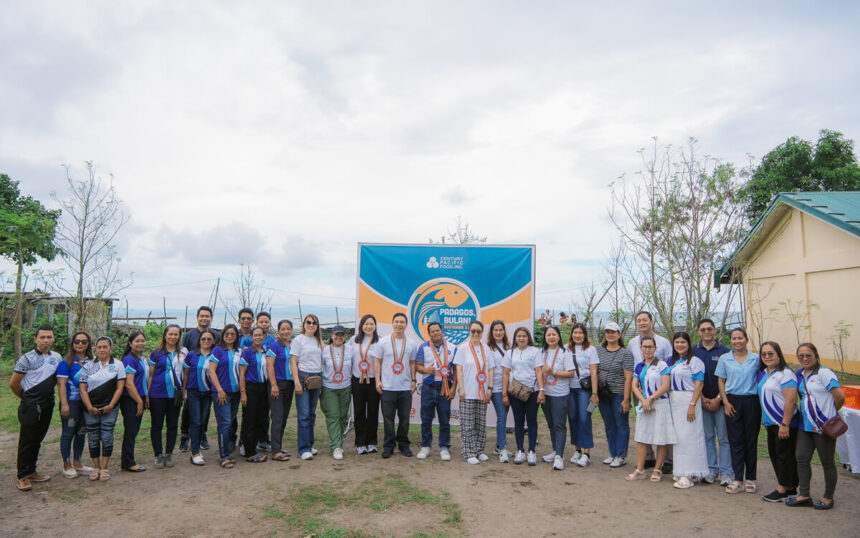
Through the “Padagos, Bulan” initiative, Ligo’s parent company has worked closely with partners in Bulan, Sorsogon to promote responsible fishing practices, enhance fish handling processes, and strengthen local livelihoods.
The program is built on a central principle: sustainability becomes more meaningful when it creates tangible improvements in people’s lives. By combining environmental awareness with economic and social development, the initiative aims to create long-term benefits for both the fishing industry and the communities that depend on it.
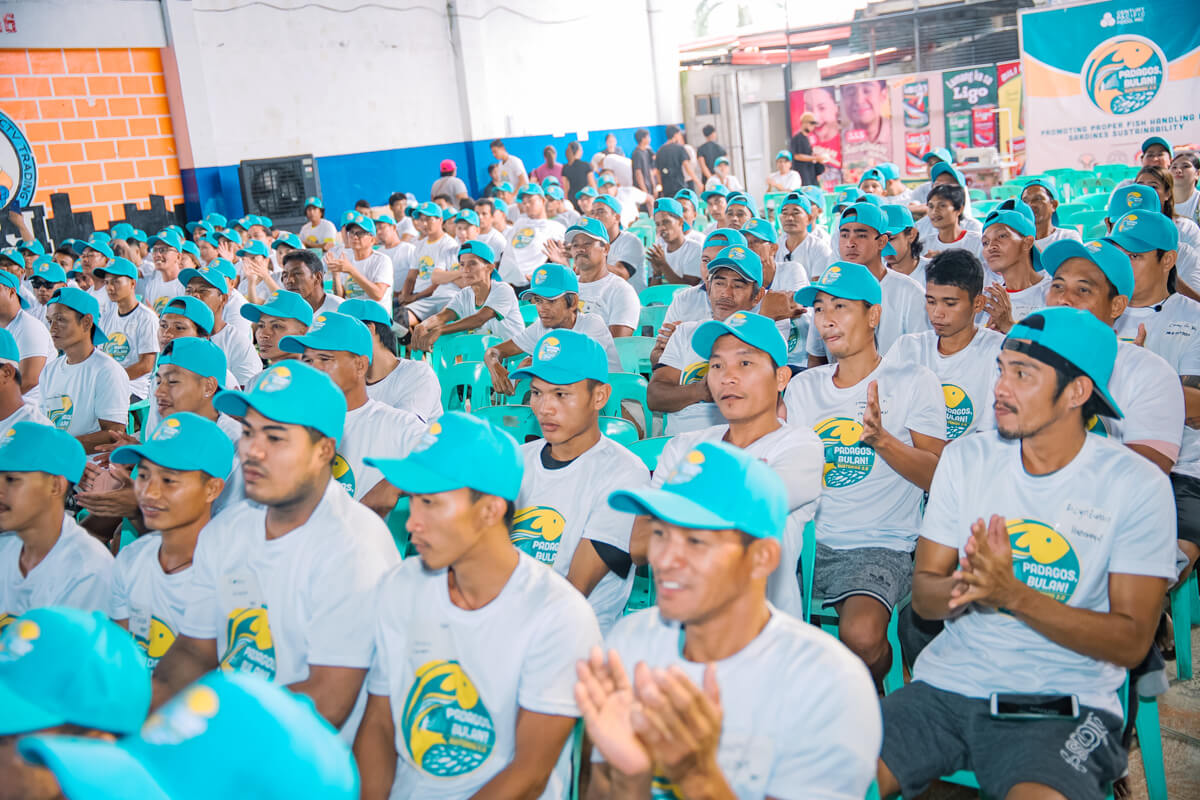
As part of the program’s implementation, more than 600 fisherfolk participated in training sessions focused on improving practices in the local fishing industry. These efforts contributed to measurable improvements, including a reduction in fish rejection rates from 13% to 3%. This improvement reflects better handling practices and more efficient processes within the local supply chain.
In addition, the initiative supported broader economic impact by contributing to over 3,400 quality manufacturing jobs in the local processing sector. It also extended opportunities to families within the community, with 300 fisherfolk wives participating in livelihood training programs designed to support additional household income and empowerment.
Community Development Through Nutrition, Education, and Expanded Support
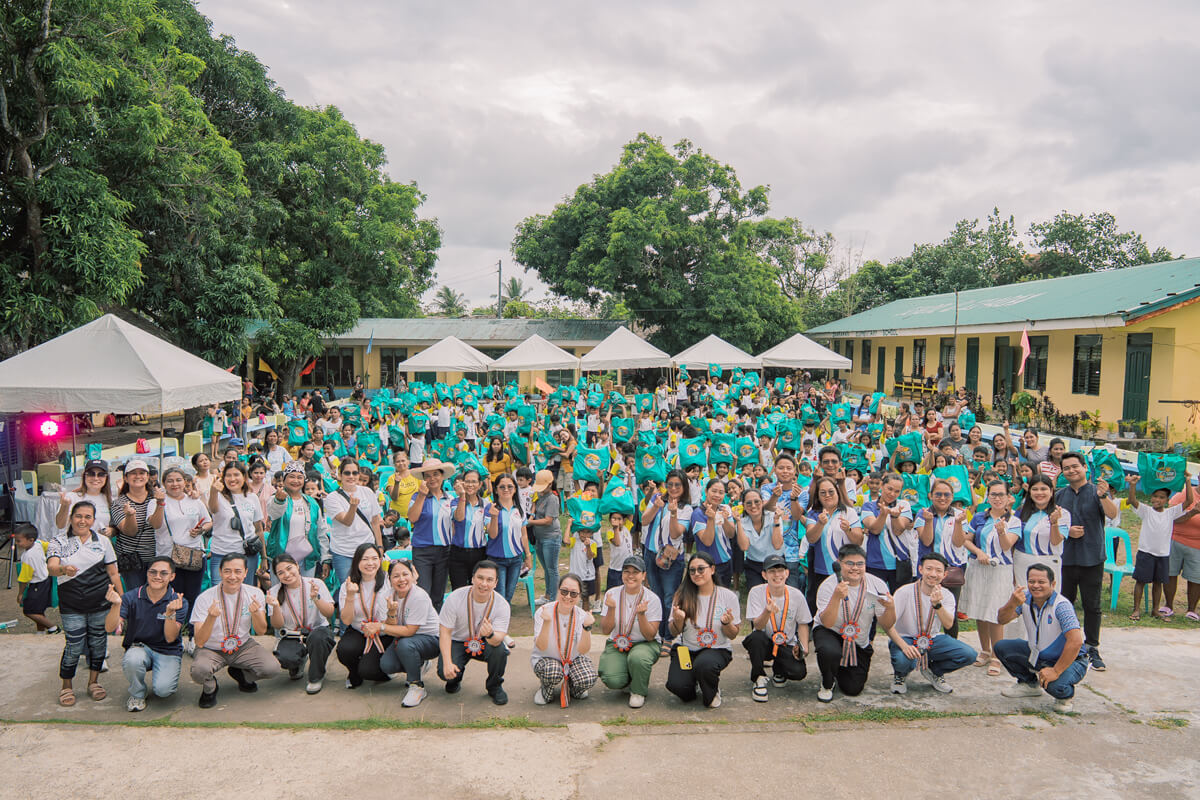
The impact of the “Padagos, Bulan” initiative extended beyond fishing communities and production areas, reaching schools and children in the surrounding region. Through school feeding efforts, more than 5,300 children benefited from over 200,000 protein-rich meals. These efforts were designed to support nutrition and help address food needs among young learners in the community.
In addition to feeding programs, the initiative also included a classroom-based support component that added another layer of community development. These combined efforts reflect a broader approach that integrates nutrition, education, and livelihood support into a single sustainability framework.
With improvements in supply and production efficiency, the wider program also contributed to the delivery of 57 million protein-rich meals to Filipino consumers. This highlights the scale of impact that responsible sourcing and improved local systems can achieve when implemented consistently and collaboratively.
For a brand long trusted in Filipino households, supporting the sustainability of a staple food like sardines represents an extension of its commitment to the families who rely on it daily. The initiative reinforces the idea that food security and community development are deeply interconnected.
Recognition for Sustainability and Corporate Responsibility Efforts
The “Padagos, Bulan” initiative also received formal recognition at the PRCA APAC Awards under the CSR and Sustainability category. This category highlights programs that demonstrate excellence in corporate social responsibility and sustainable development practices.
The PRCA Asia Pacific, established in 2018, works to raise standards in public relations and communications across the region. Its awards program recognizes outstanding achievement, creativity, and innovation in campaigns and initiatives that make a measurable impact.
This recognition adds further significance to the initiative, reinforcing its position as an example of how sustainability efforts can create meaningful outcomes for both communities and industries. It underscores the broader message that protecting the future of a Filipino staple food can also serve as a model for responsible and impactful sustainability practices.